



Hochfirst
Zdjęcia naszych użytkowników
-
 © Arnd MuenkerUtworzono dnia 22.03.2026
 -
 © Arnd MuenkerUtworzono dnia 22.03.2026
 -
 © Michal ZizakUtworzono dnia 20.03.2026
 -
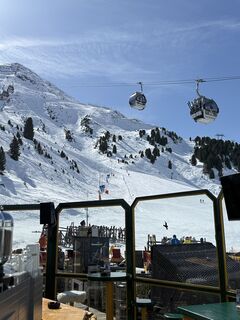
 © J GelukUtworzono dnia 10.03.2026
 -
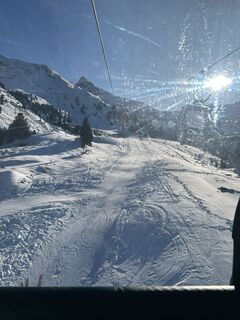
 © Remy SchiebelhoutUtworzono dnia 21.01.2026
 -
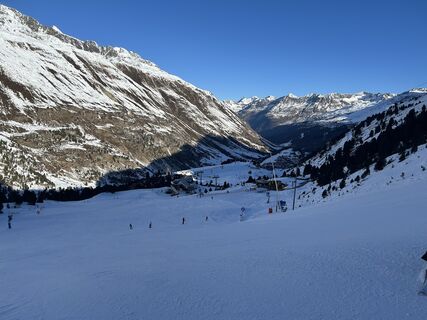 © Remy SchiebelhoutUtworzono dnia 21.01.2026
 -
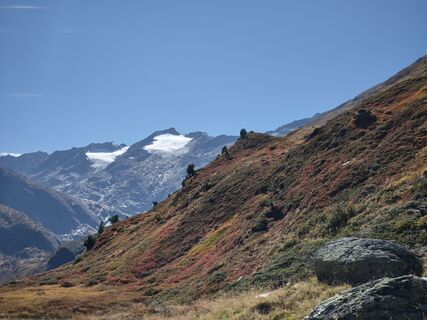
 © Hanno MenzUtworzono dnia 20.09.2025
 -
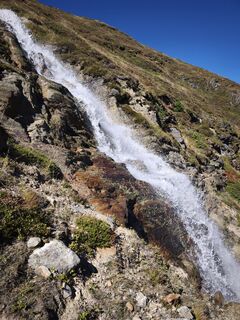 © Hanno MenzUtworzono dnia 20.09.2025
 -
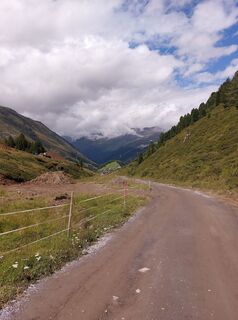
 © Bastiaan StruijkUtworzono dnia 01.08.2025
 -
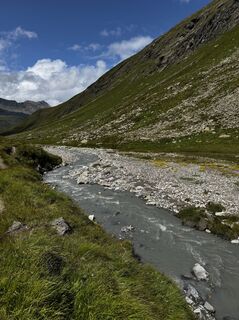 © RobertUtworzono dnia 29.07.2025
 -
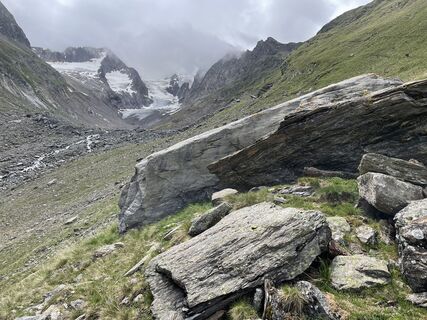
 © Ralf UmmingerUtworzono dnia 02.07.2023
 -
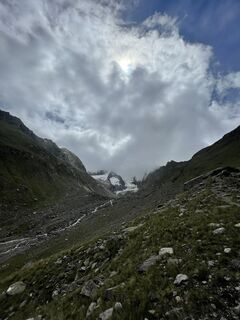 © Ralf UmmingerUtworzono dnia 02.07.2023
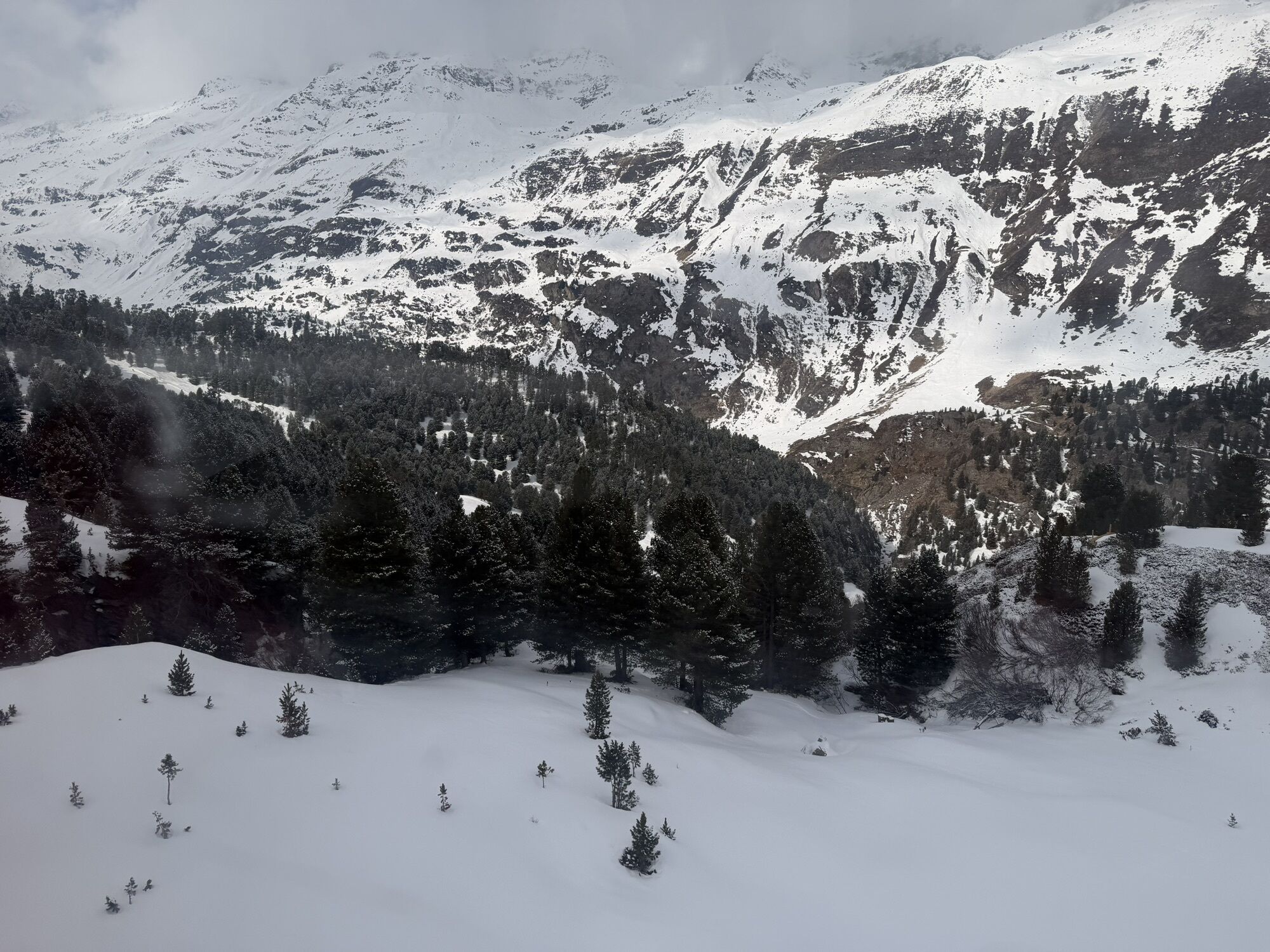
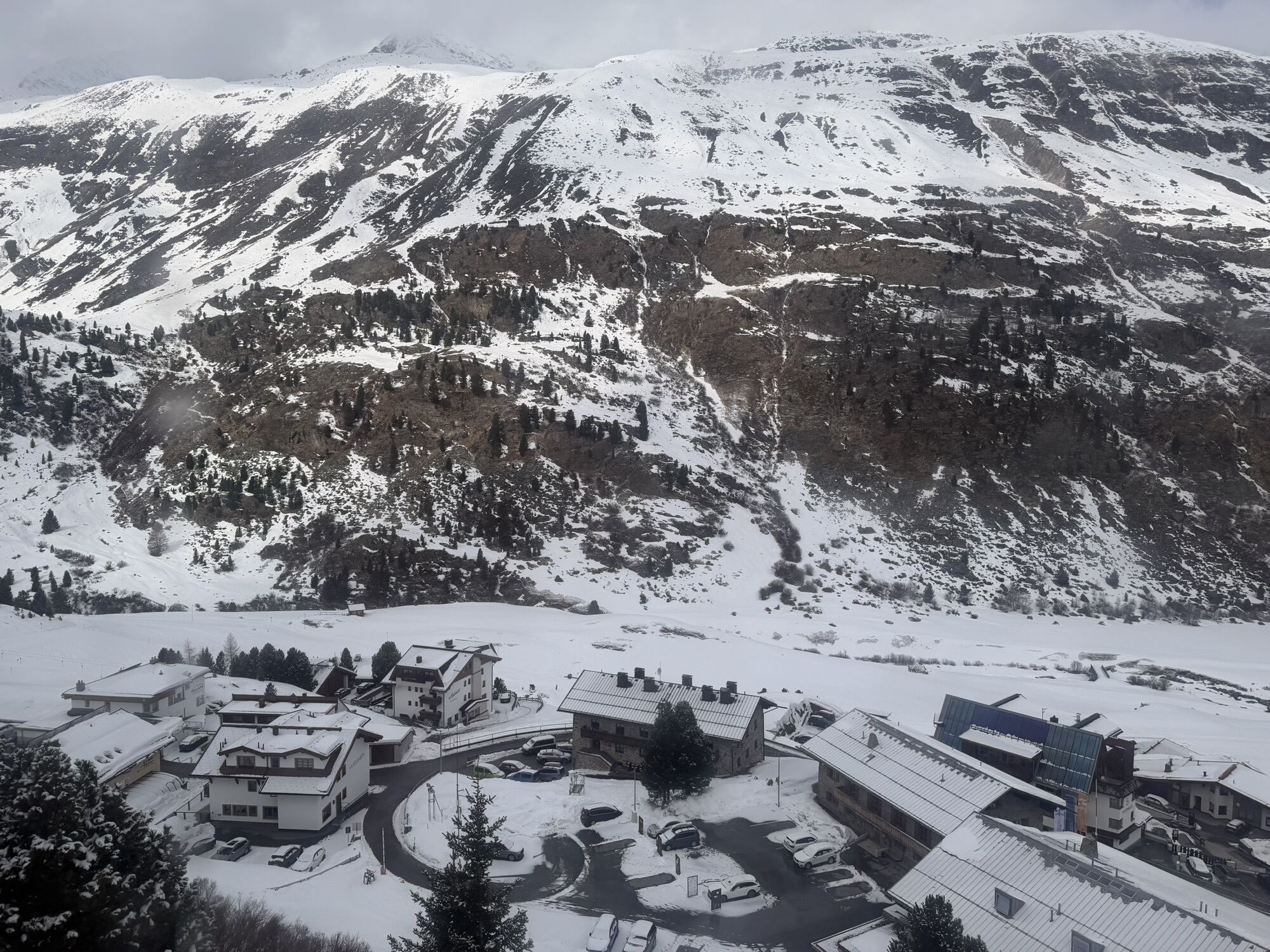
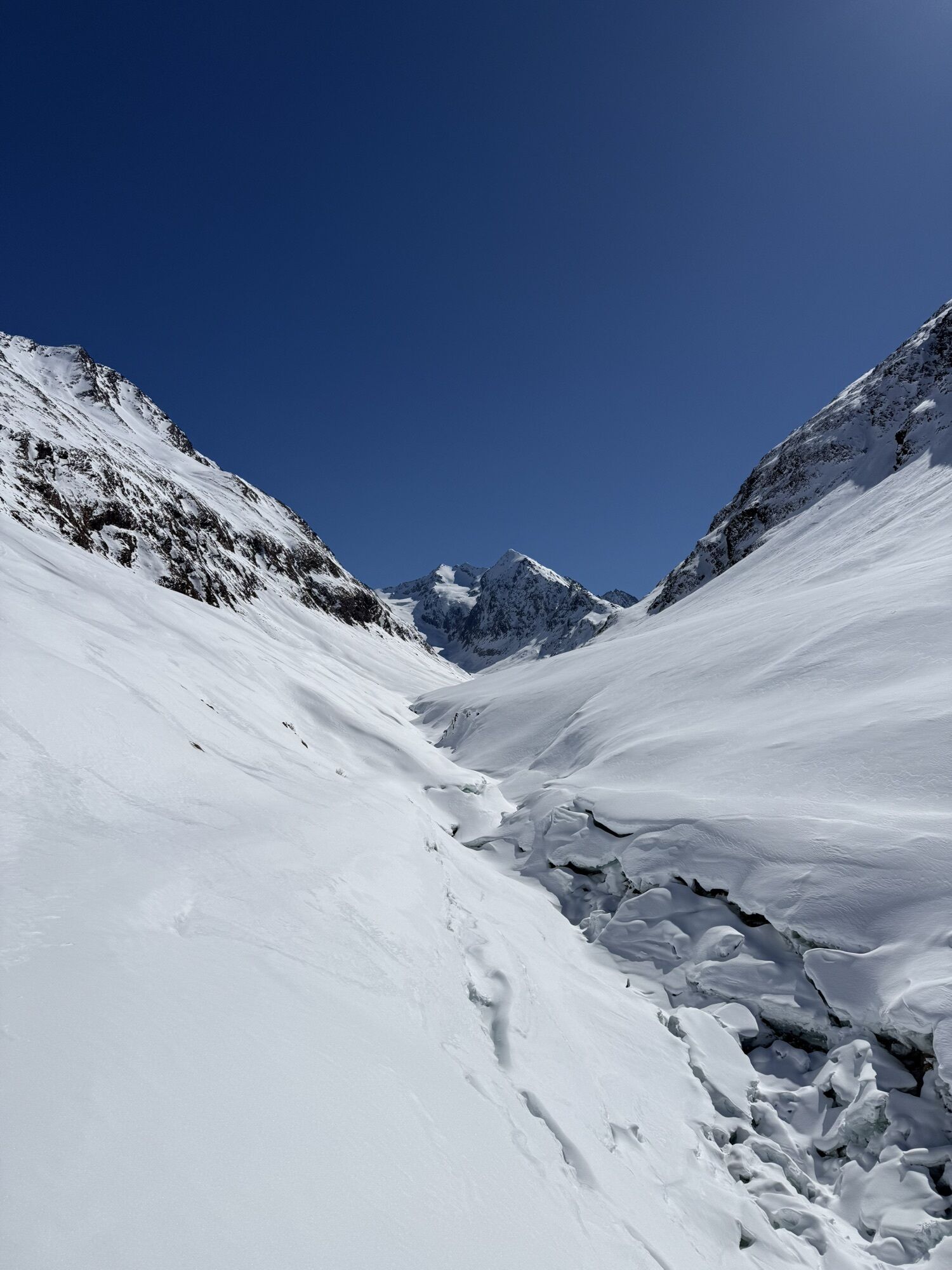
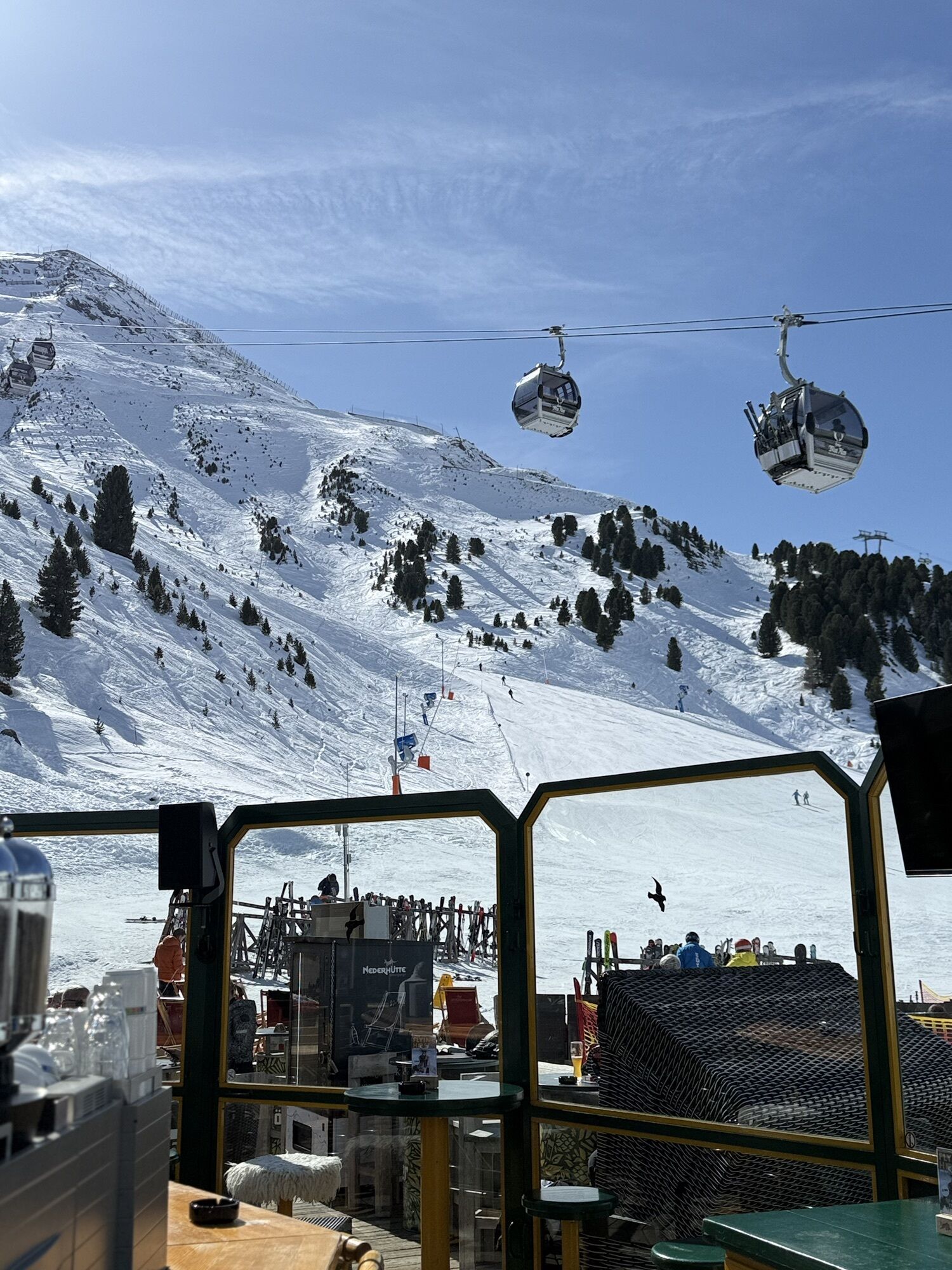
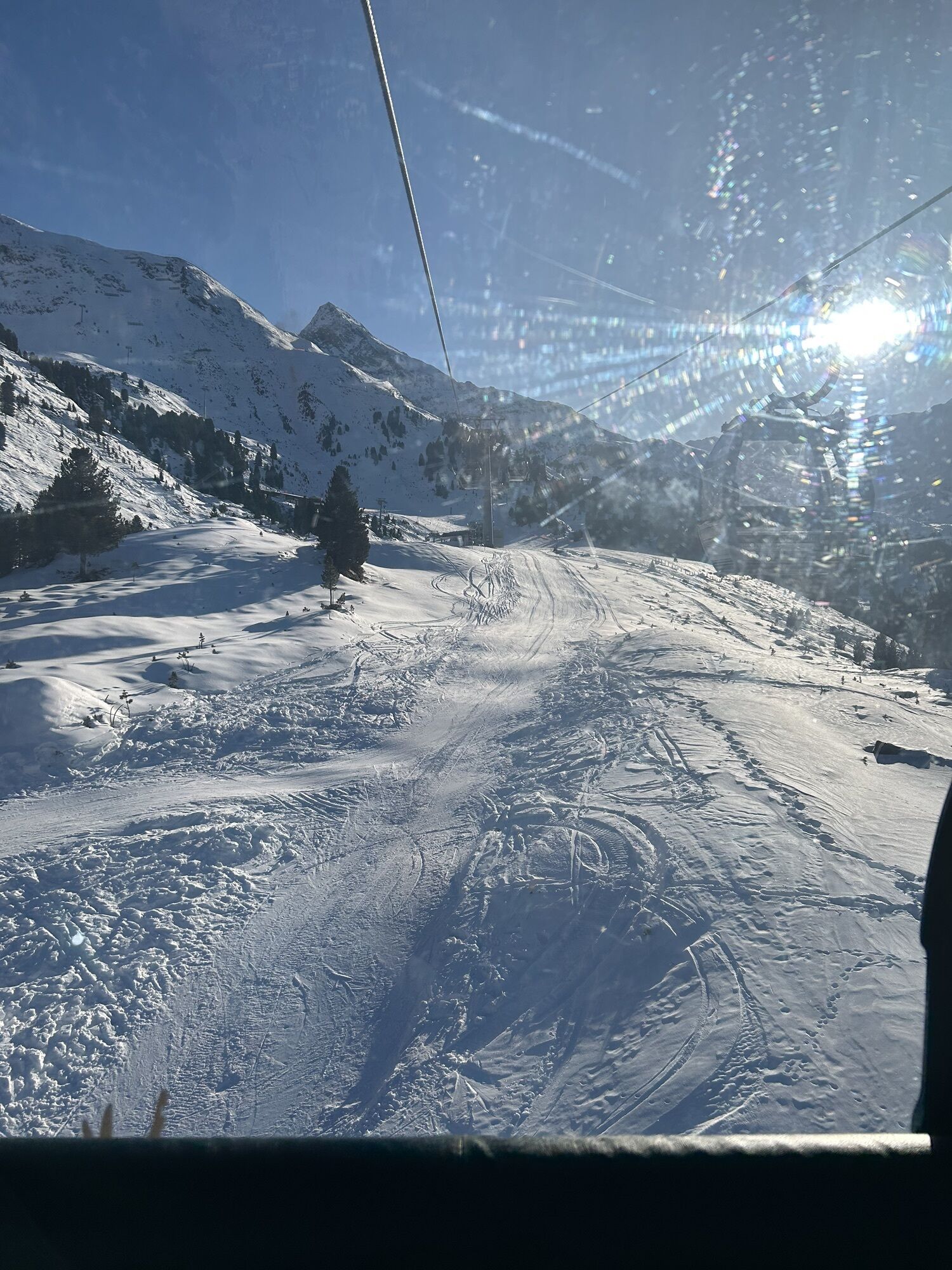
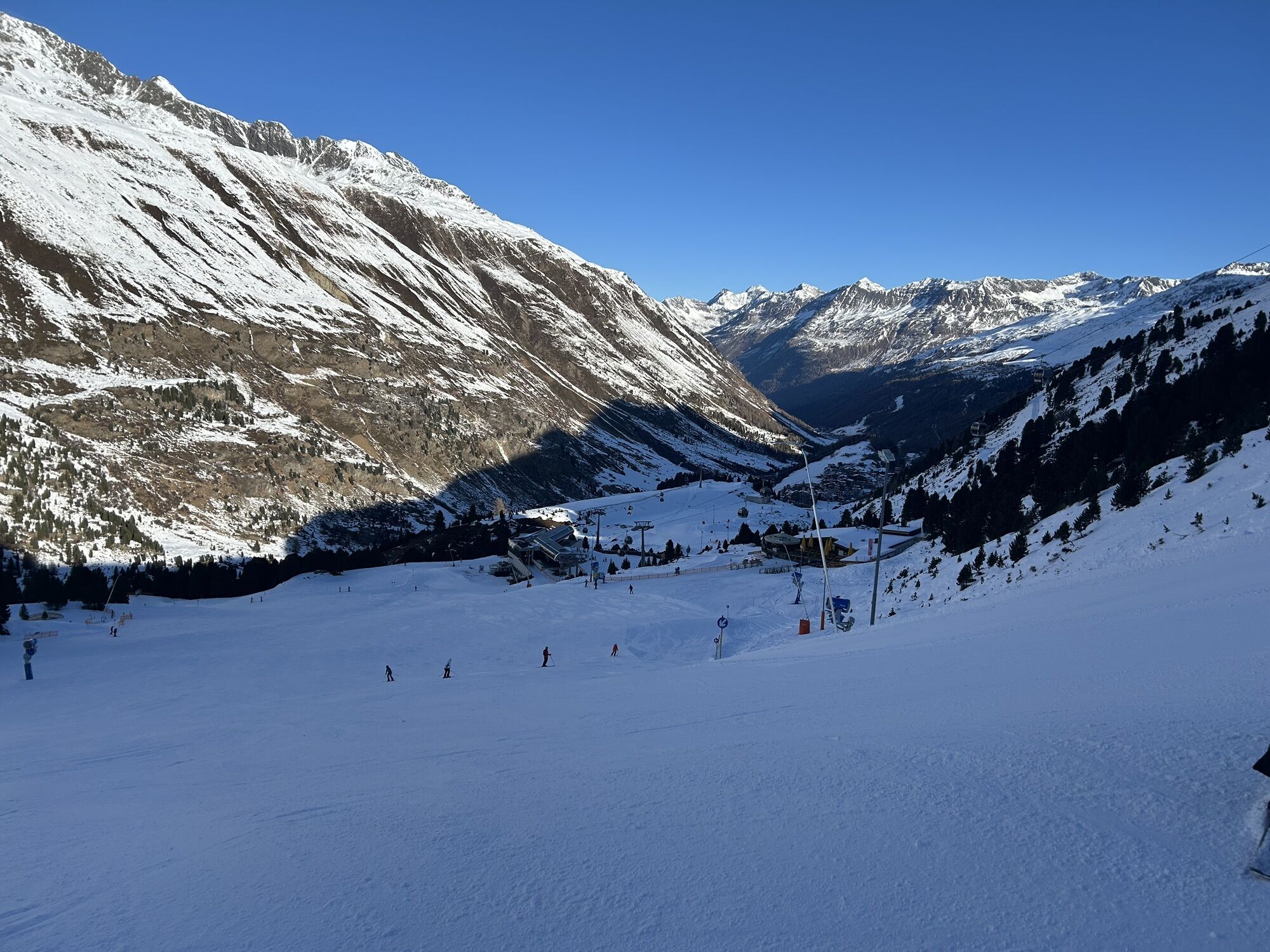
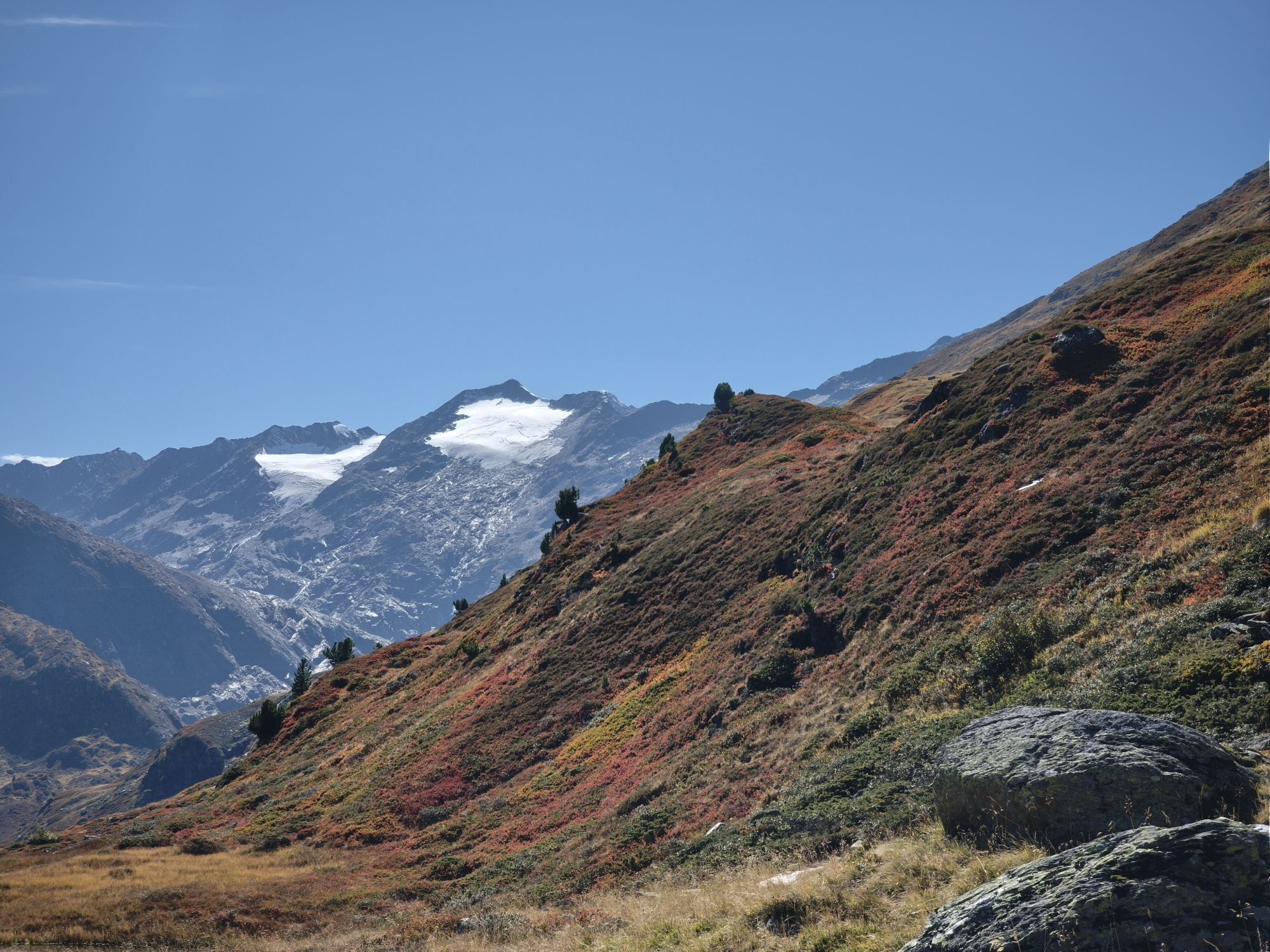
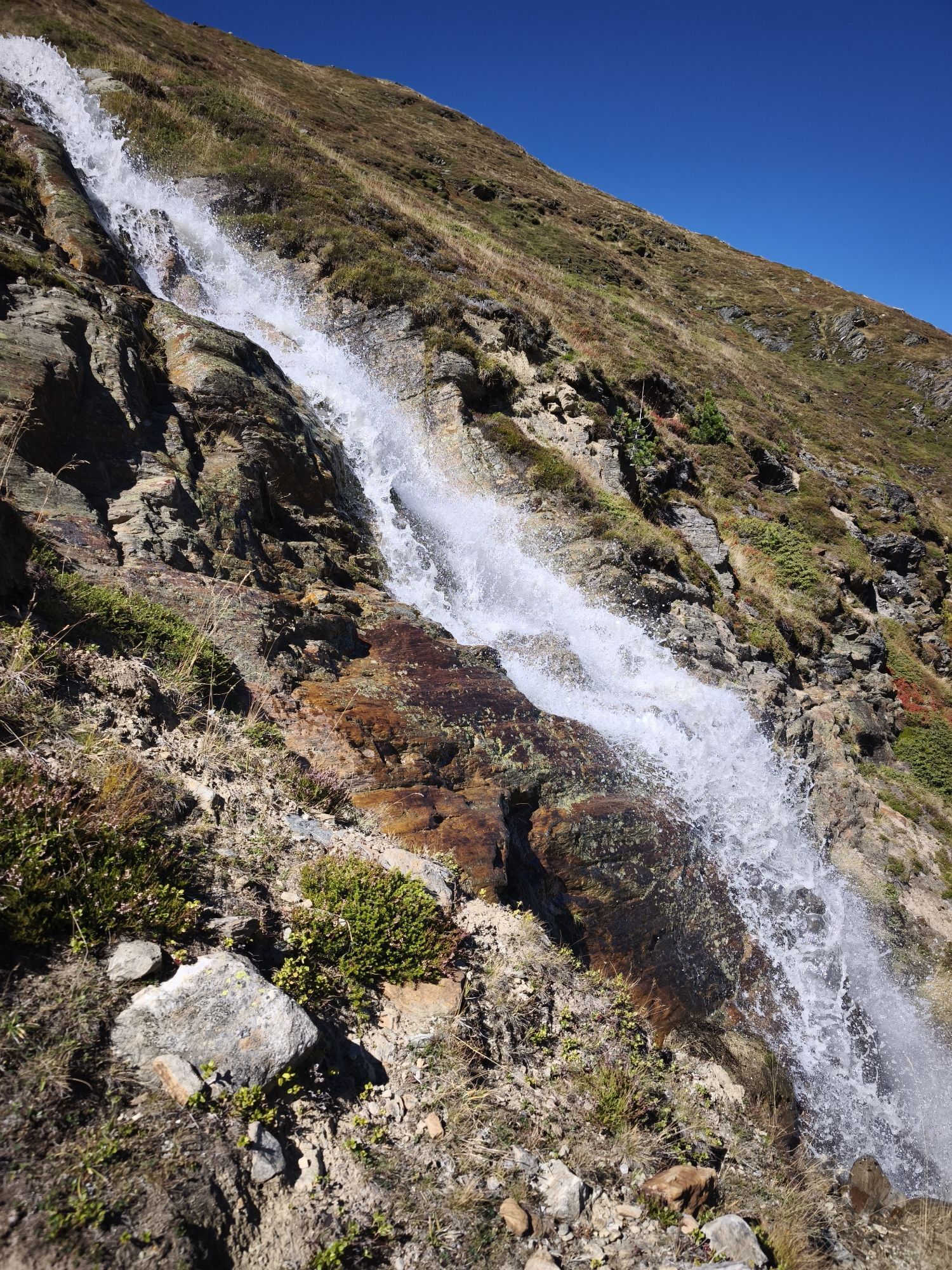
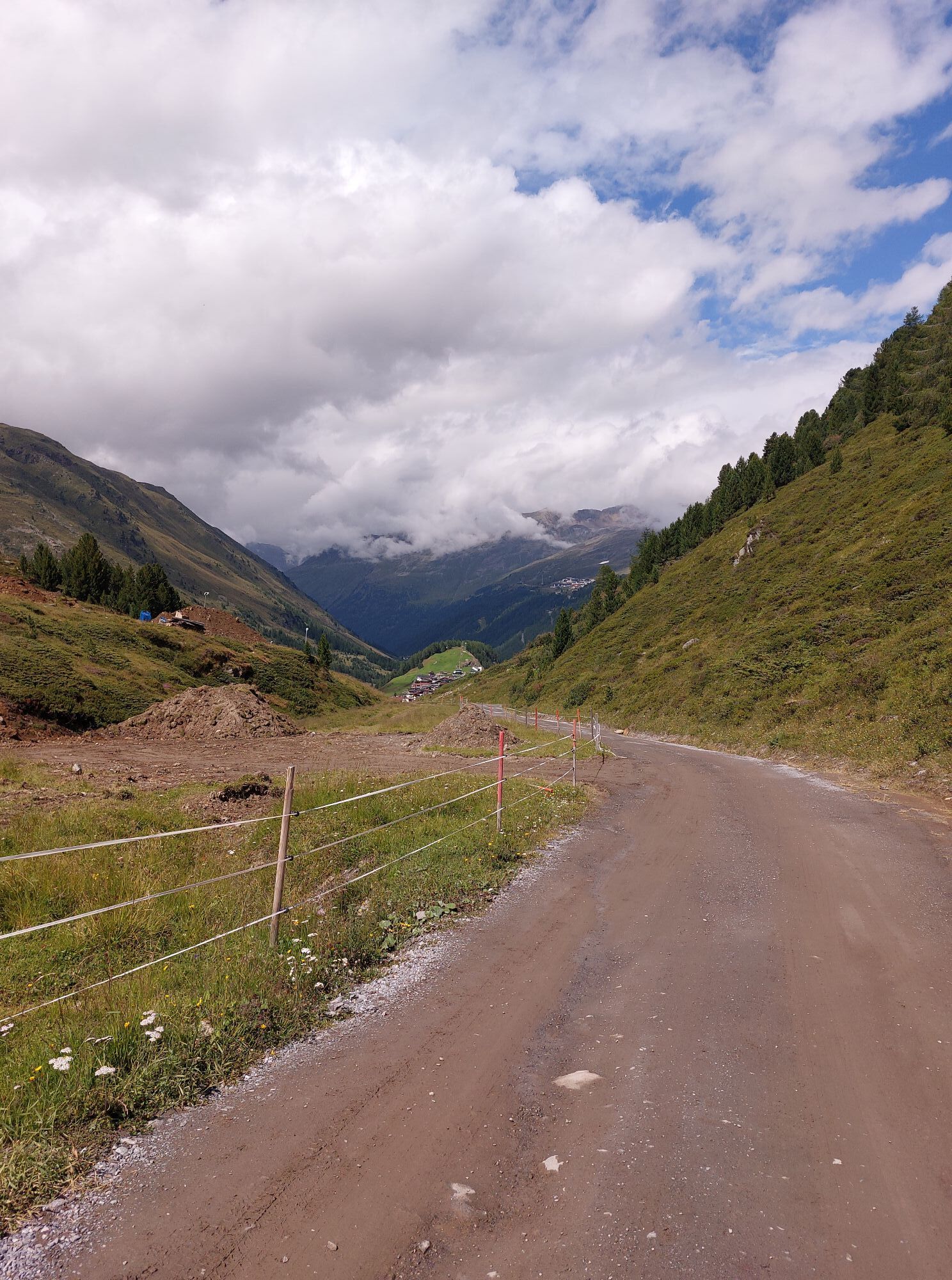
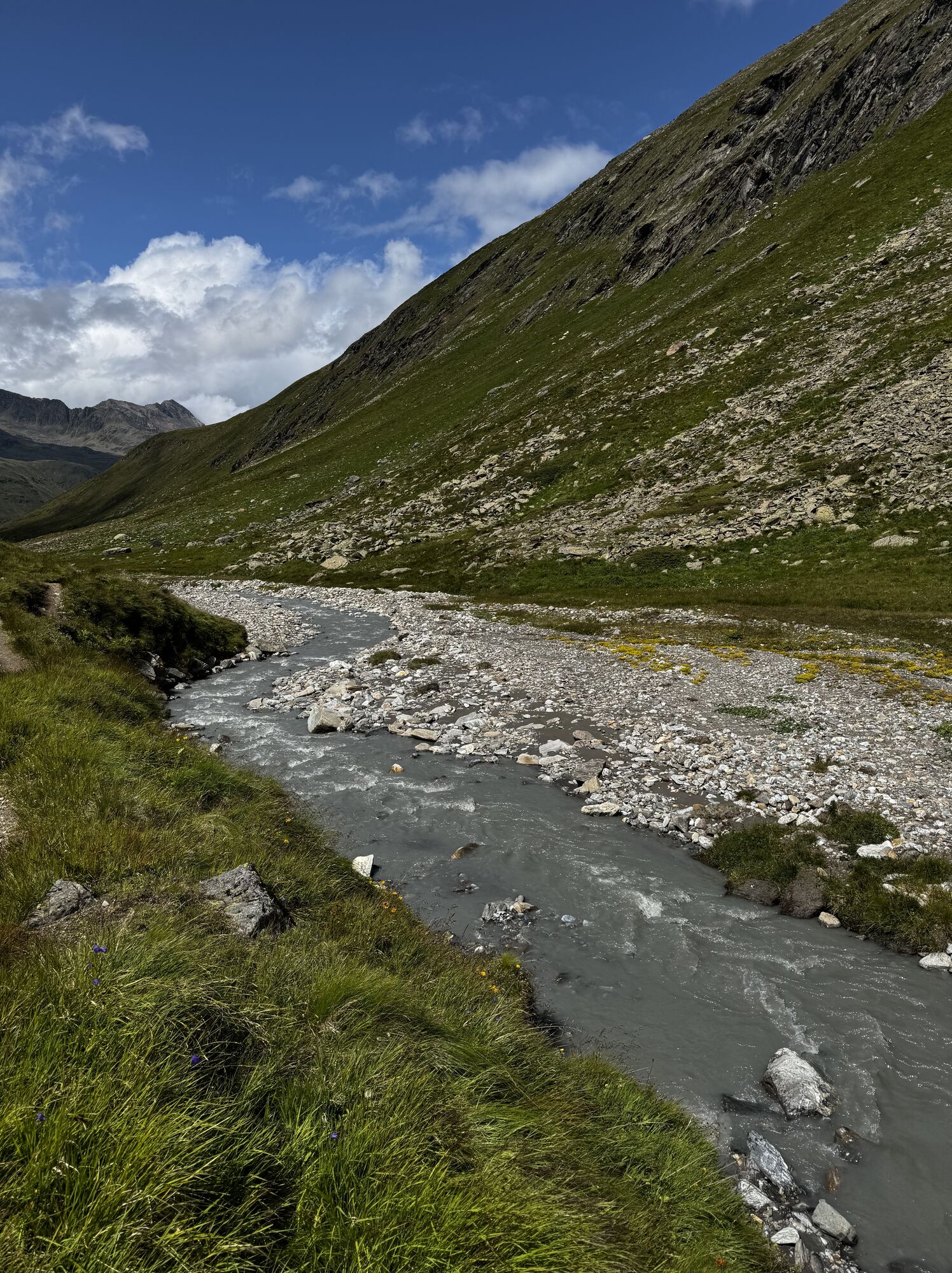
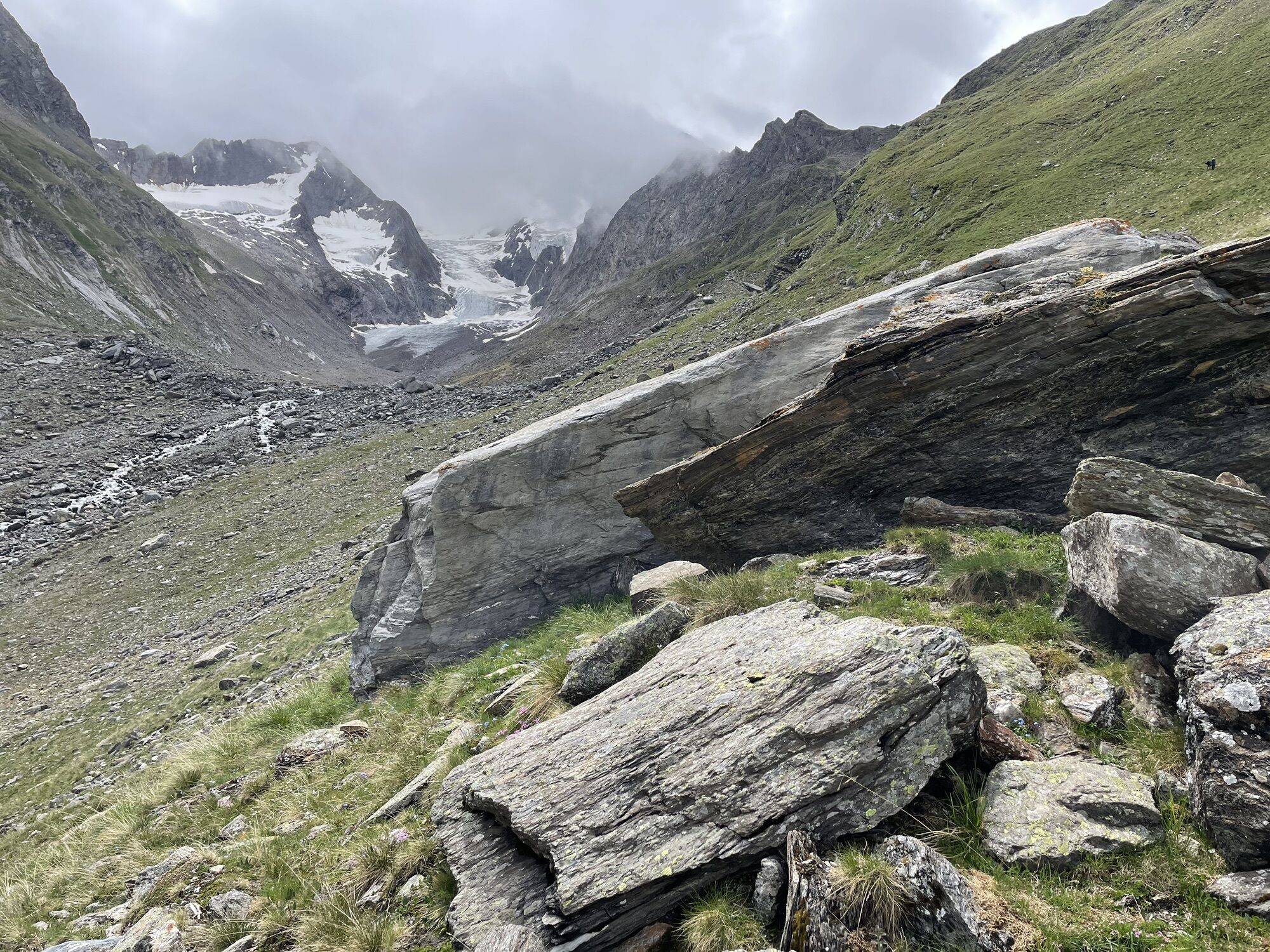
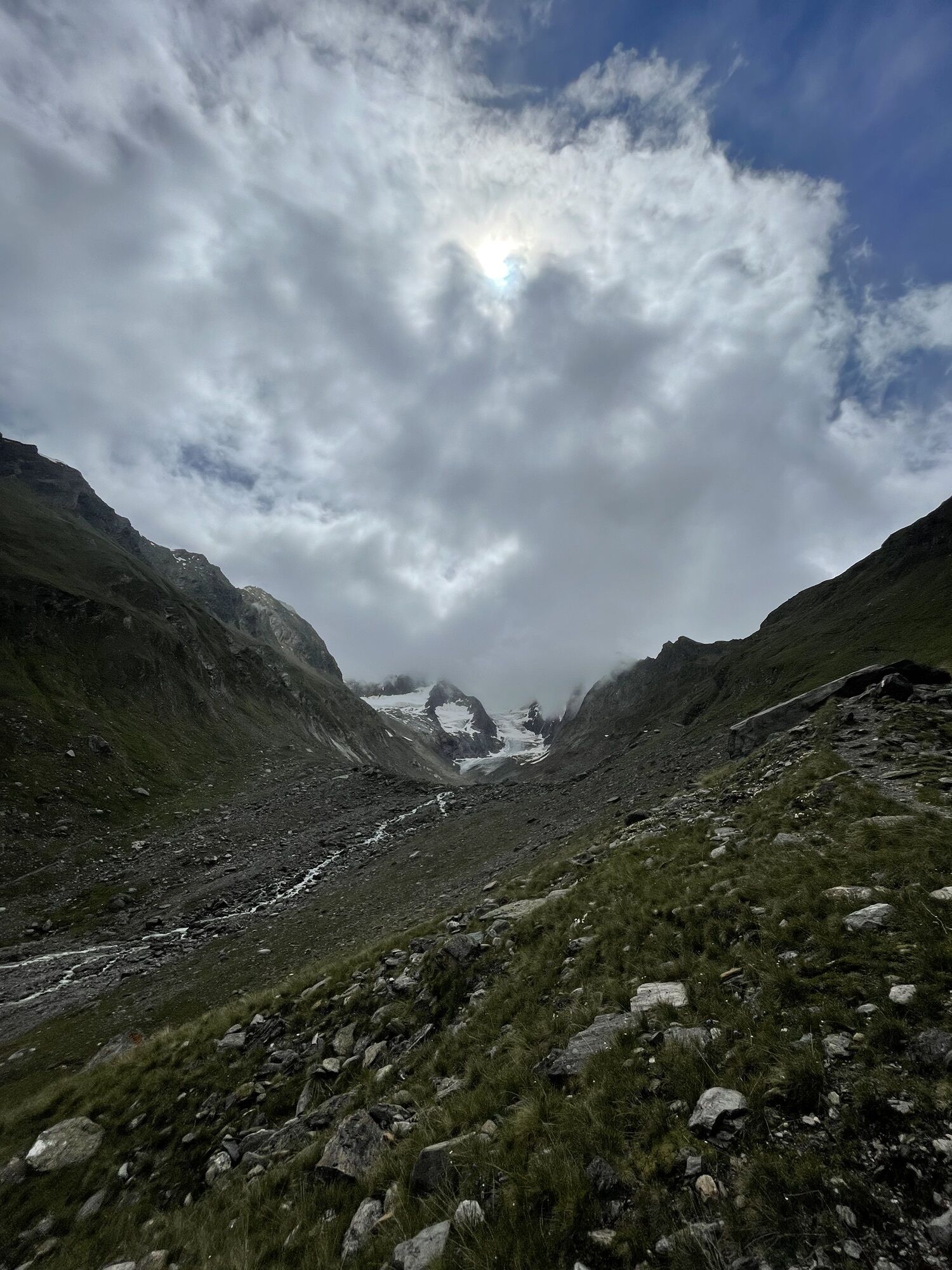
From Obergurgl, head south on a gravel road to the middle station of the Hohe Mut Bahn and continue steeply up into the Gaisberg valley. Further to the Gaisbergferner (end of markings!). Now cross the...
From Obergurgl, head south on a gravel road to the middle station of the Hohe Mut Bahn and continue steeply up into the Gaisberg valley. Further to the Gaisbergferner (end of markings!). Now cross the glacier to the left, very steeply up onto the orographically right side moraine, along it to the small Hochfirstferner. Now rope up and travel along the northern edge of the glacier (crevasses!) to below the summit flank, cross the bergschrund (often problematic when snow-free!) and over the 45-55 degree steep flank to the easy summit rocks of the Hochfirst.
Ascent: 4 h 15 min.
Descent: 1 h

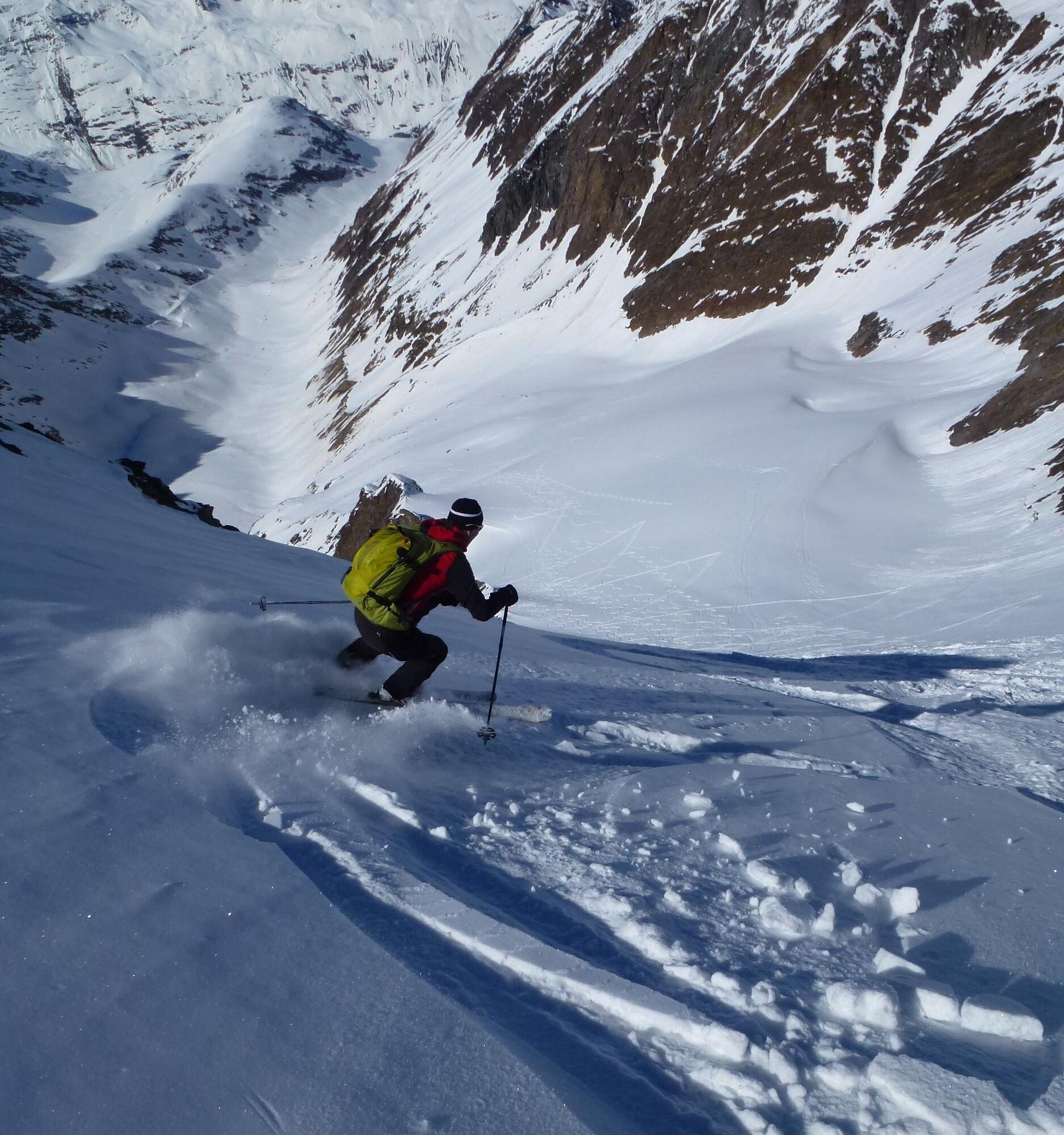
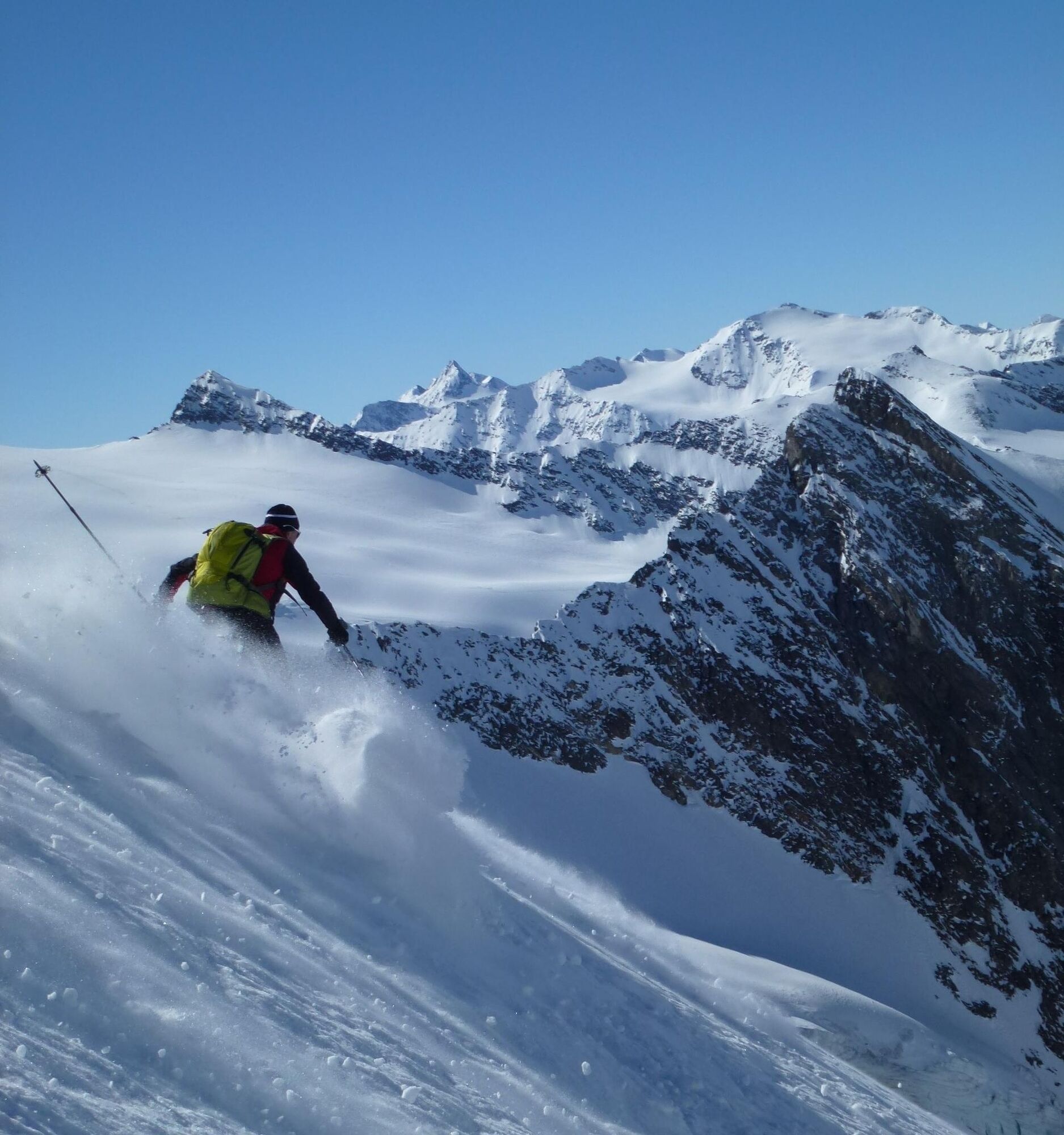
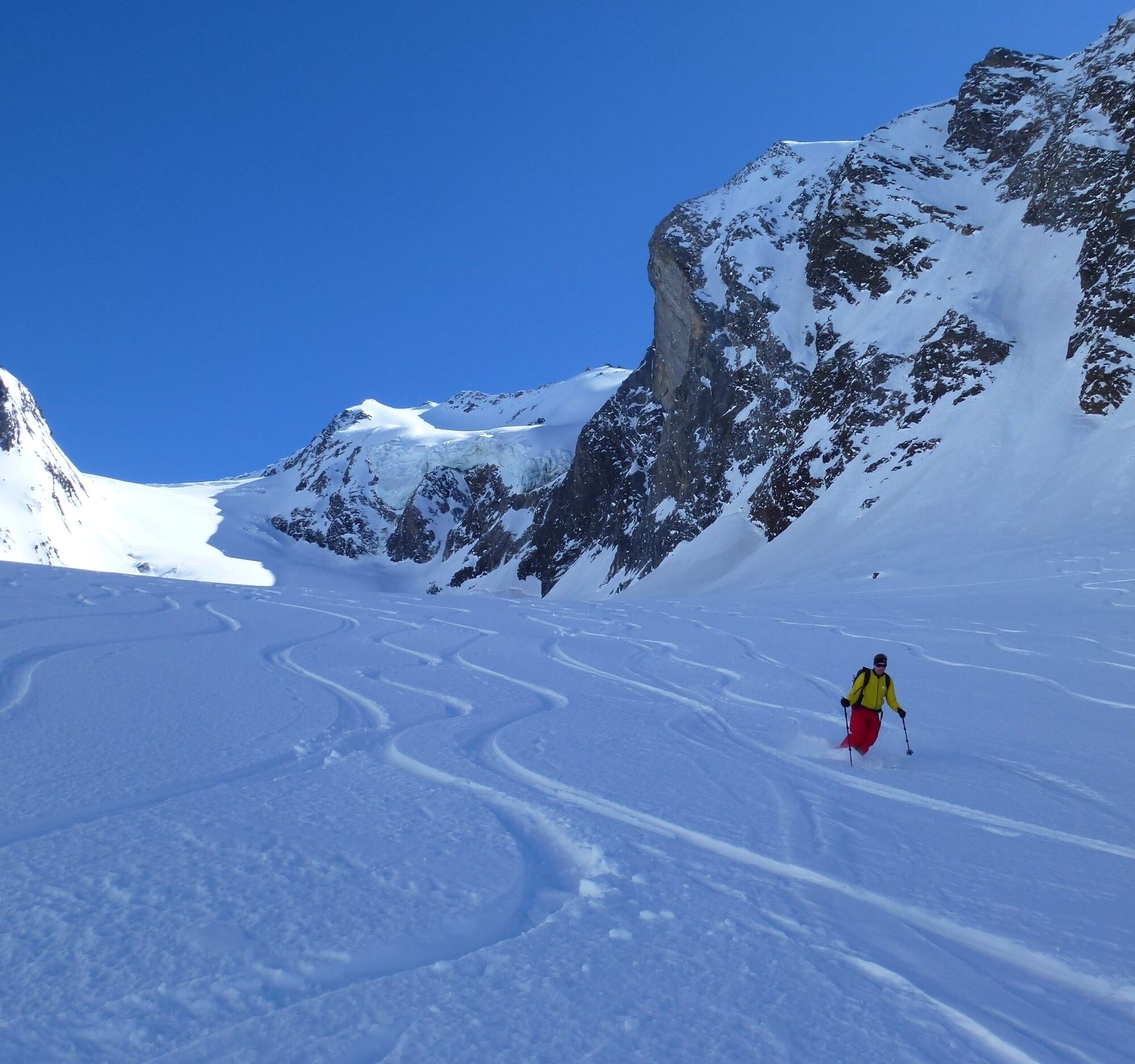
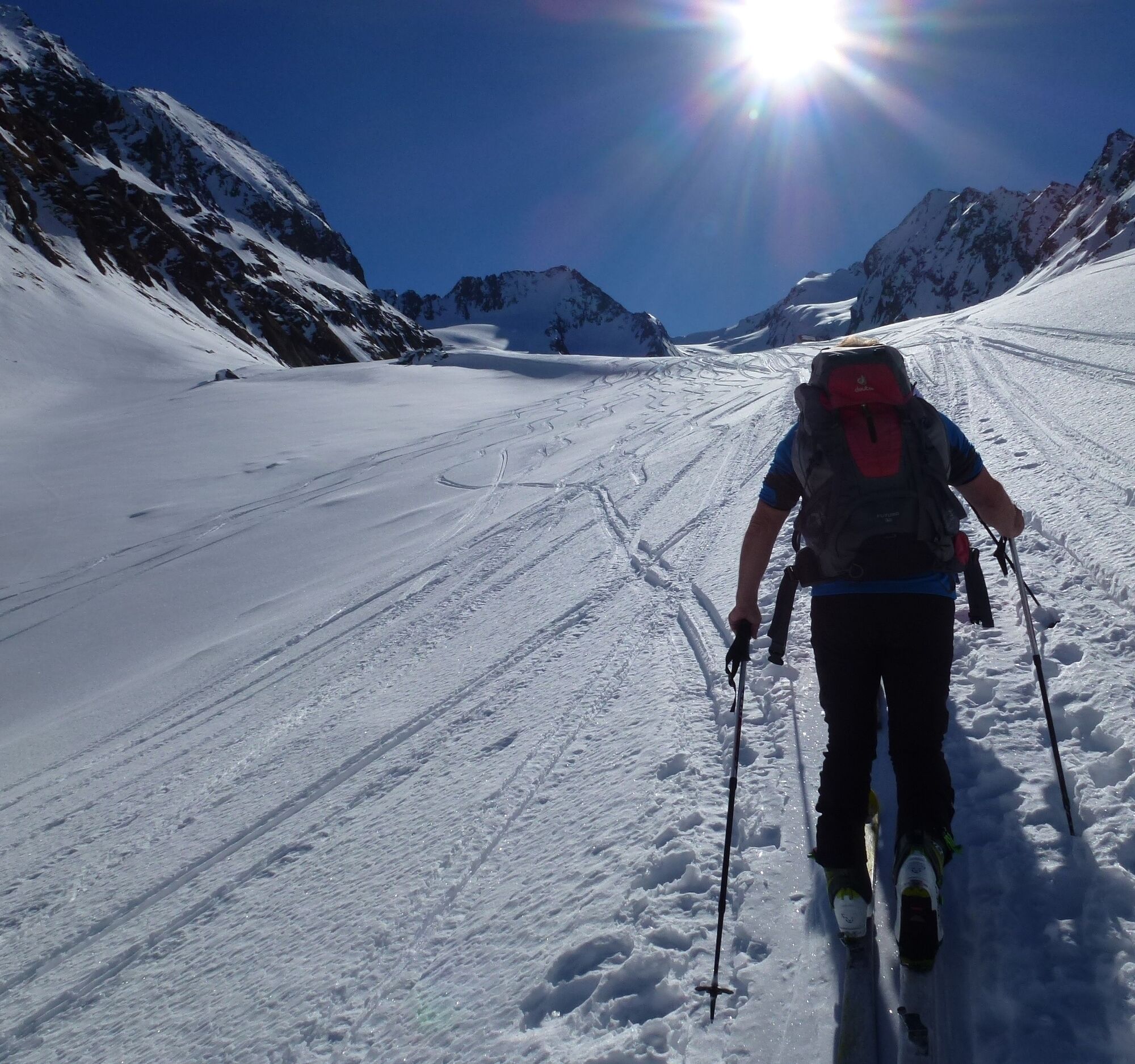
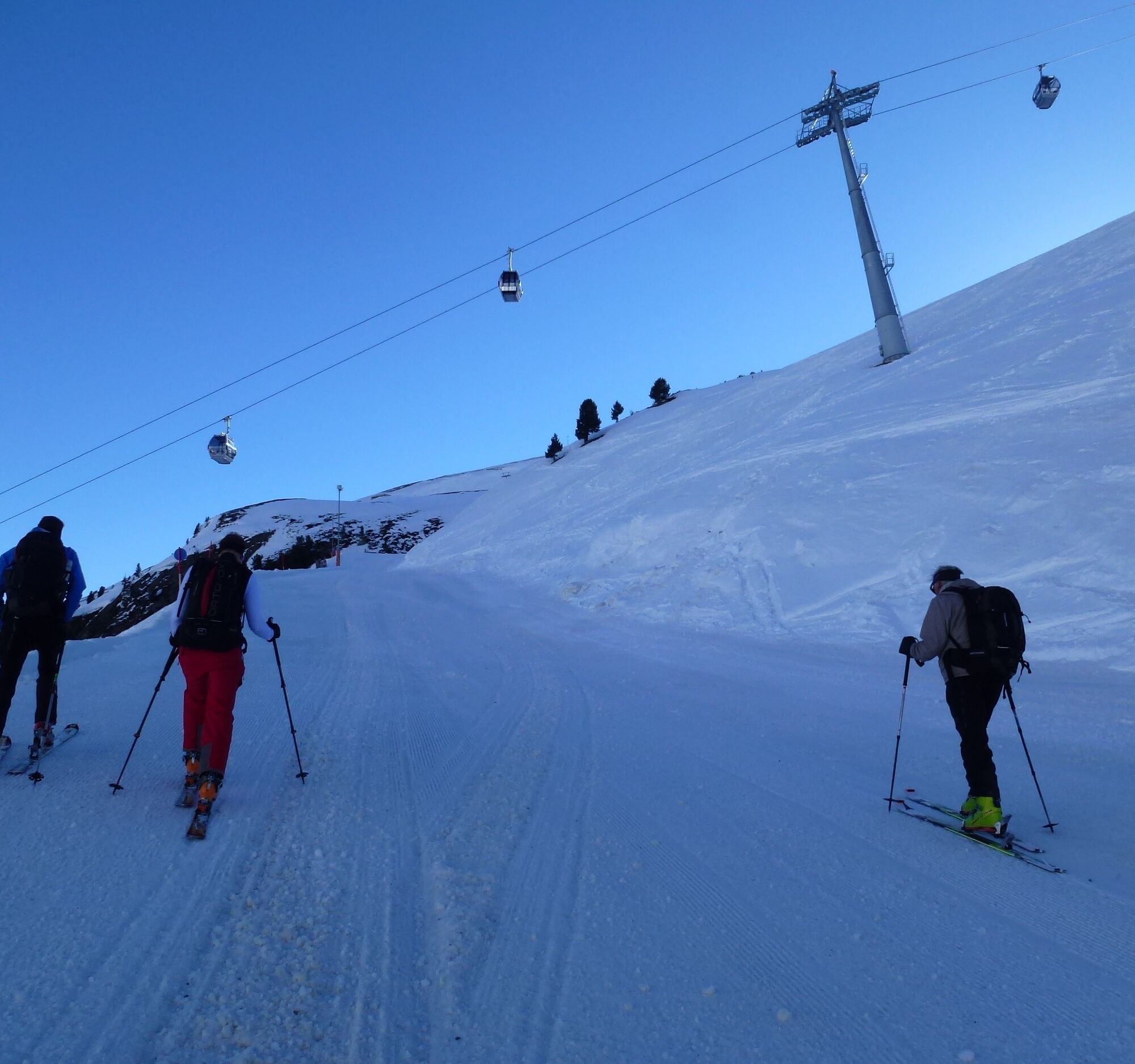
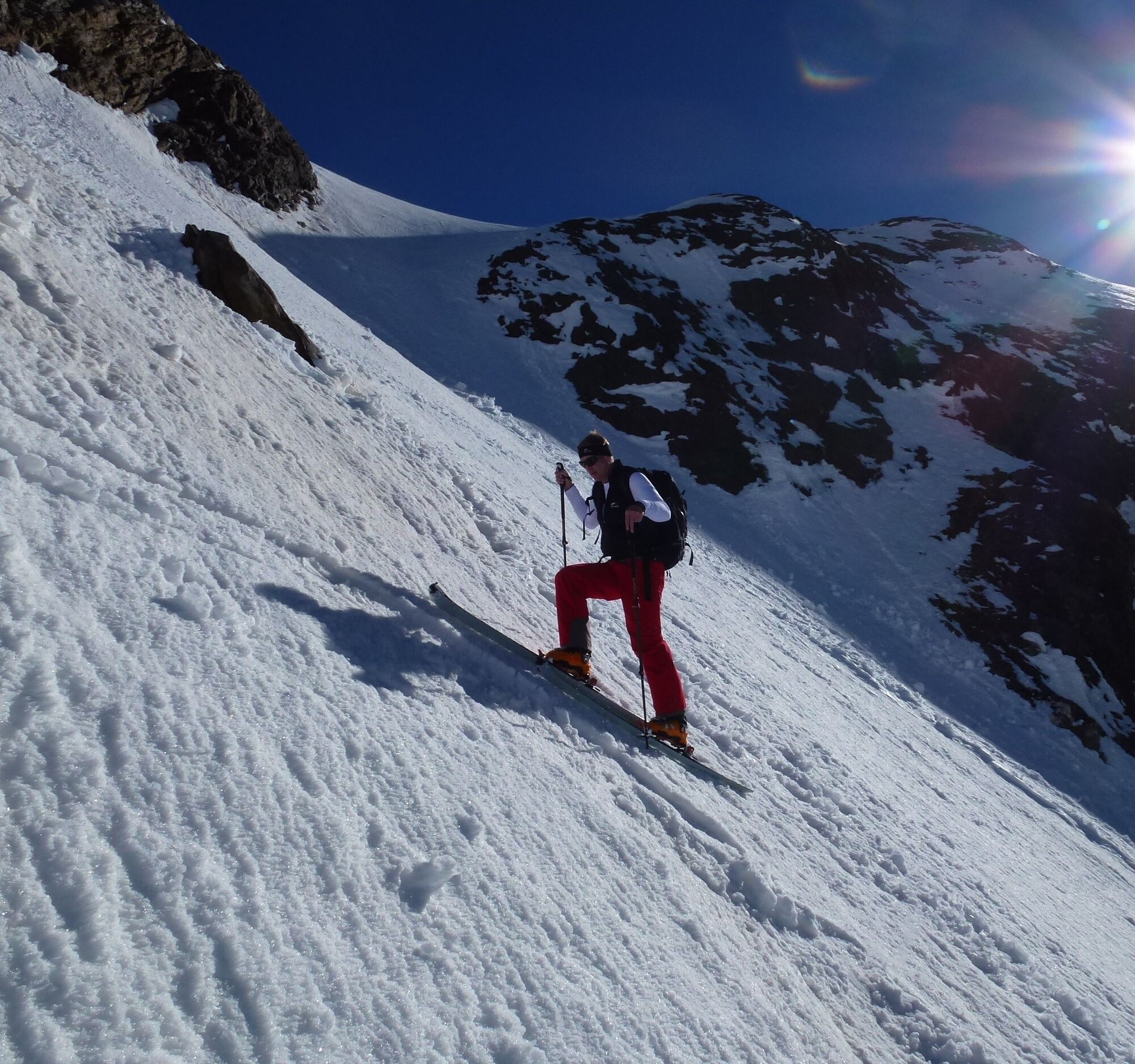
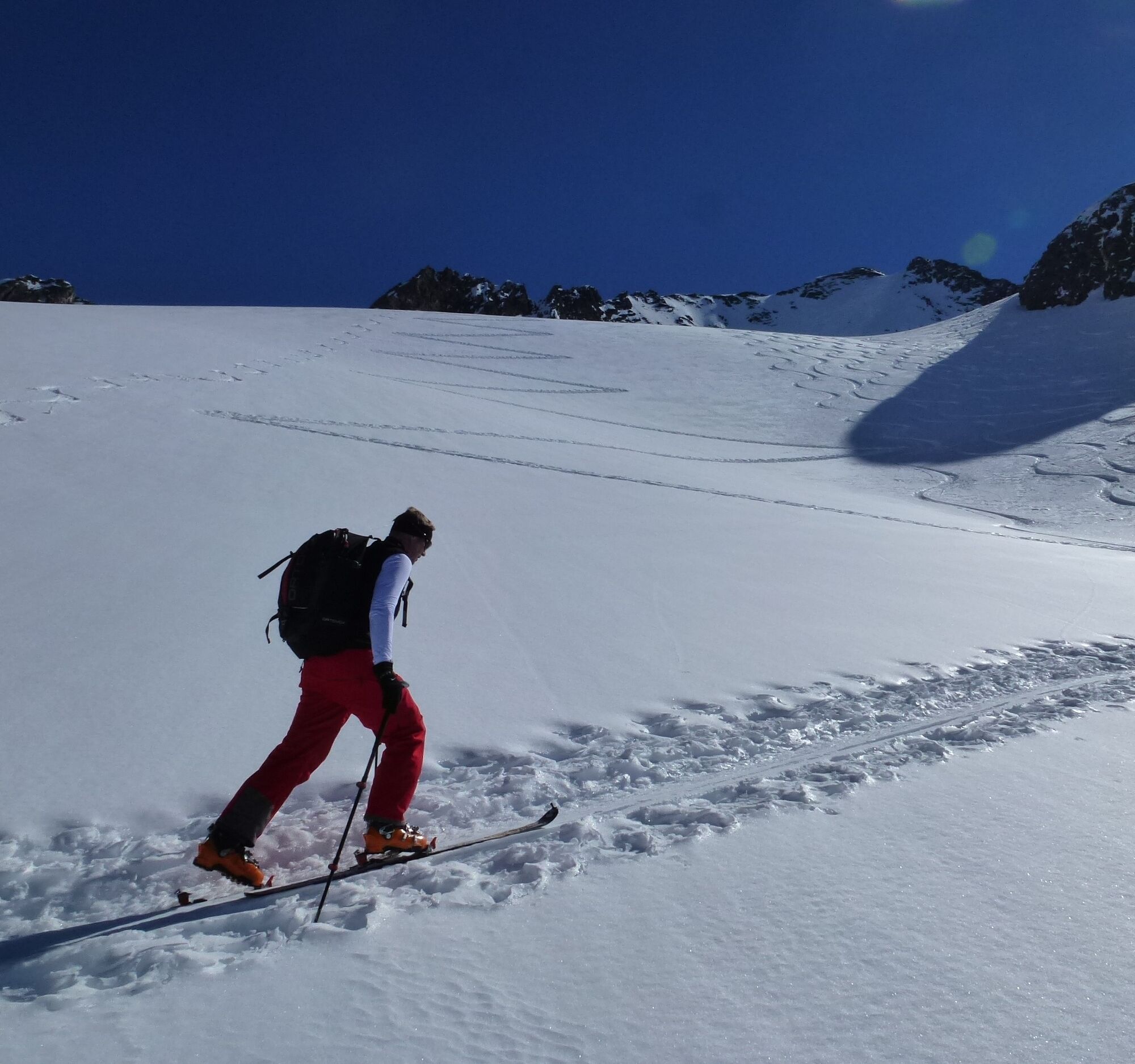
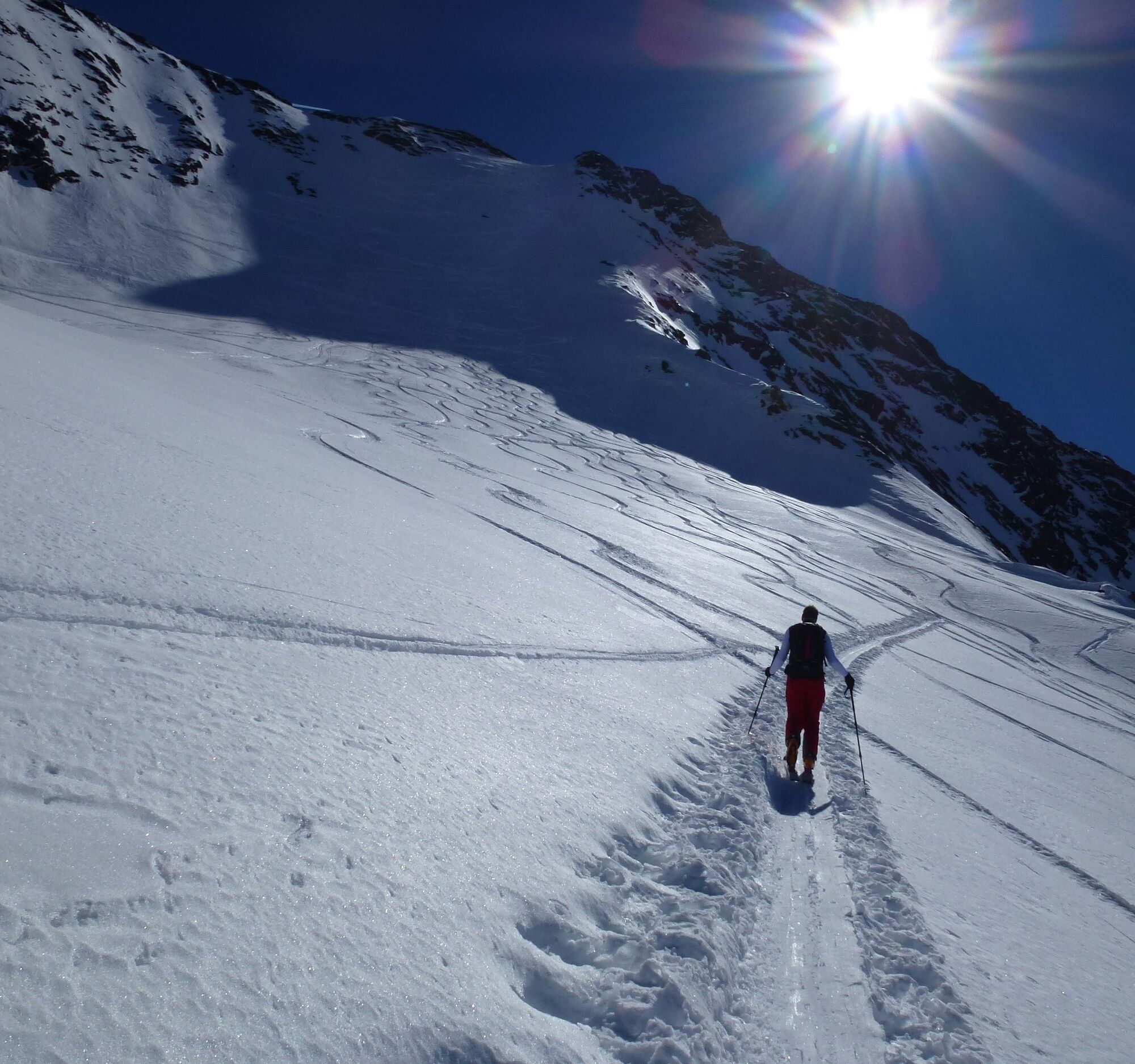
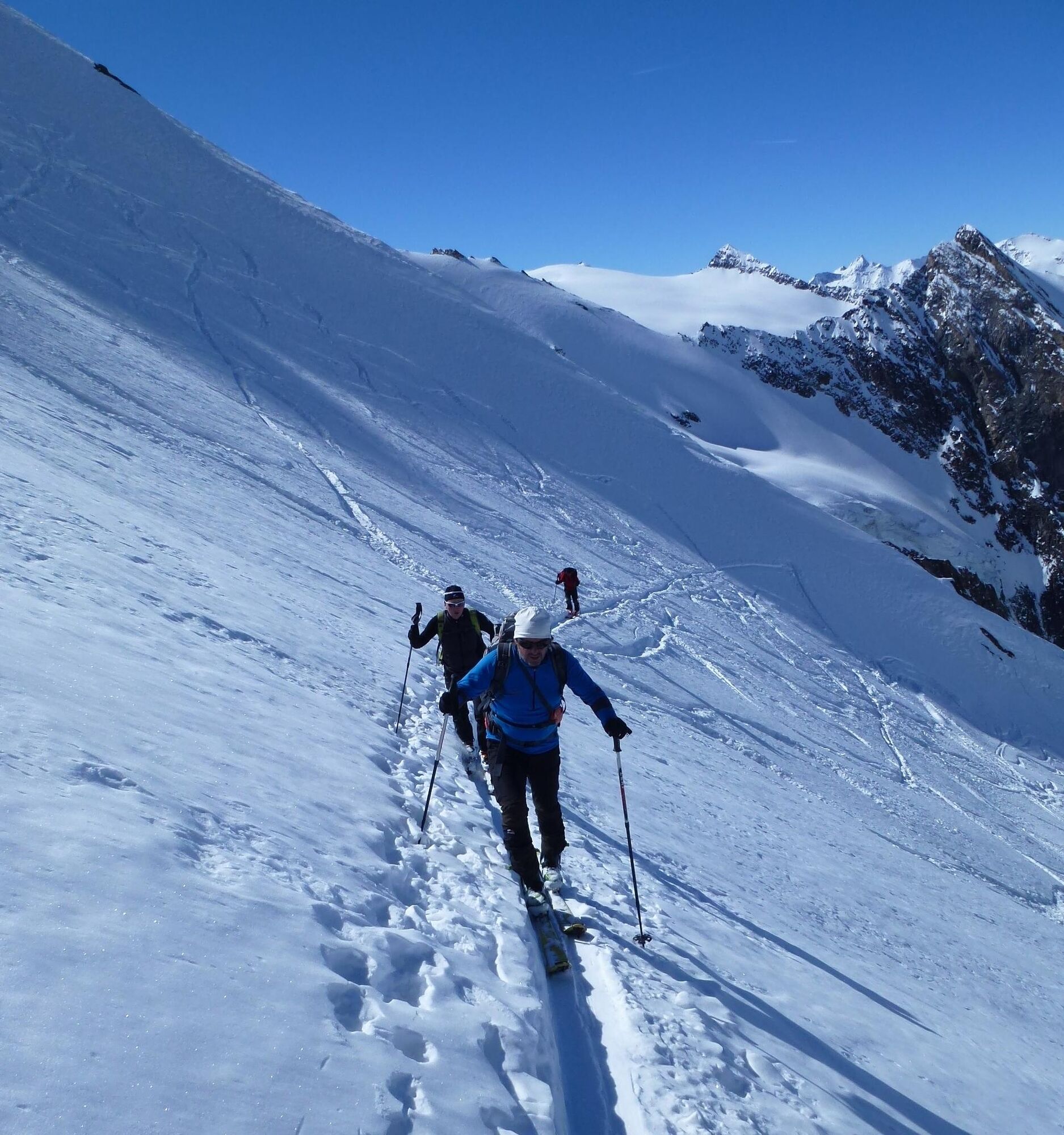
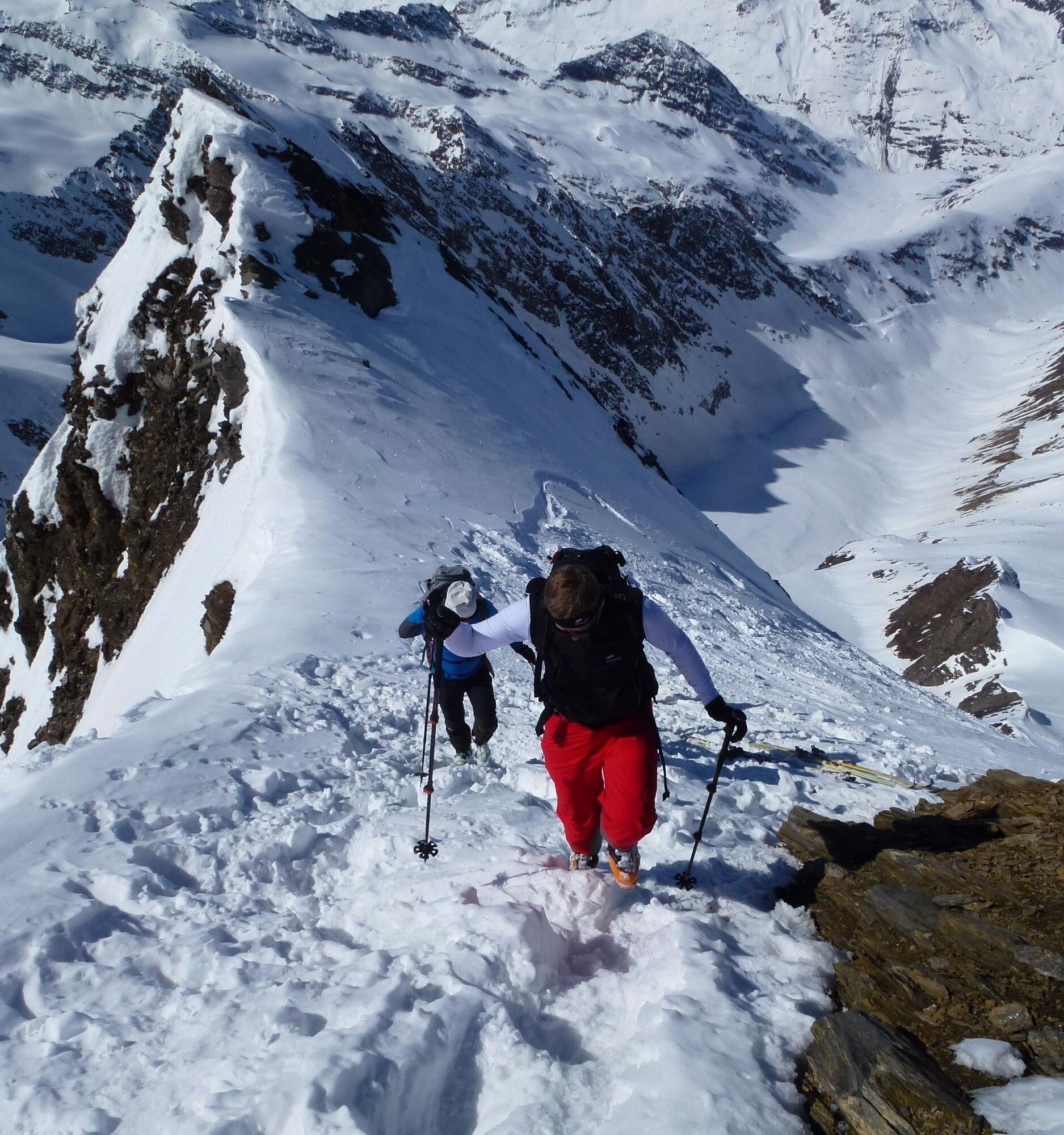
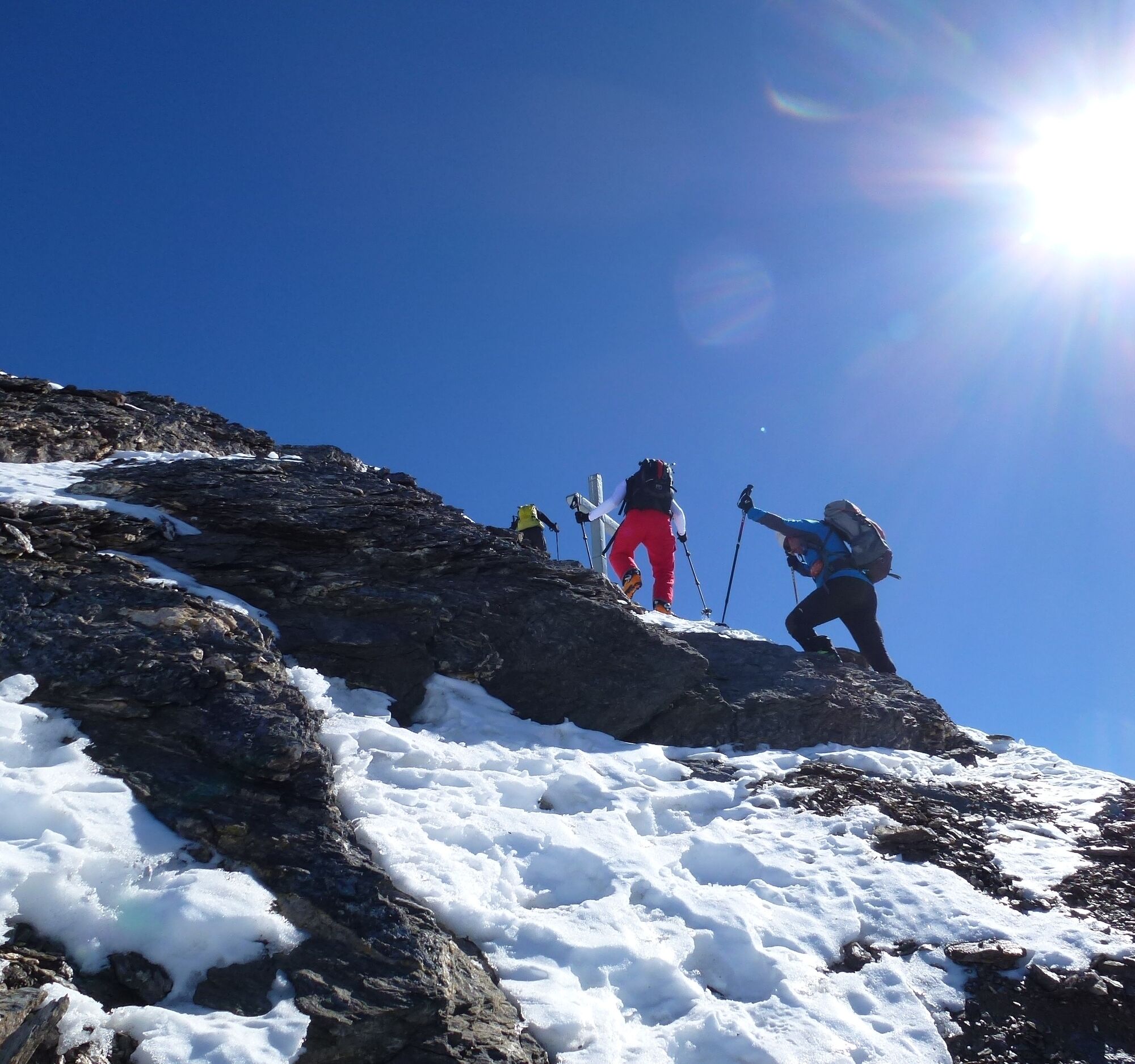

The ski tour on the Hochfirst 3403m certainly offers alpine ski tourers the most popular steep wall descent in the Obergurgl tour area, comparable only to the direct north face on the Granatenkogel 3318m. Starting in Obergurgl at the valley station of the Hohe Mut Bahn 1915m, just under 1500 vertical meters are to be overcome over approximately 9.0 kilometers to the summit. Using the Festkogelbahn as an ascent aid and skiing down to the entrance of the Gaisberg valley reduces the ascent to 6.5 kilometers or 1100 vertical meters. In the Gaisberg valley, the route initially follows the valley floor for a longer stretch over mostly fairly flat terrain heading south. The two impressive peaks, the Hochfirst and the Liebener Spitze 3399m, rise ever more dominantly before us. After entering the Gaisberg glacier, you turn left at point 2700m to reach the Hochfirstferner over a 35° to 40° steep slope. In spring, under optimal conditions, it is advantageous to find compact melt crust here and thus easily reach the next higher glacier basin using crampons and perfect switchback technique. We will likely need the perfect switchback technique and perhaps less so crampons again on the huge north face of the Hochfirst 3403m. But it is evident at this first climb that this tour requires not only perfectly favorable avalanche and snow conditions but is basically reserved for experienced winter mountaineers with the necessary skills and know-how. You then continue over the Hochfirstferner initially at a pleasant incline to the edge of the north face, which from the edge crack upwards spans over 200 vertical meters with an average angle of 40°, and in the steepest sections even up to 45°. From here, you should only proceed in absolutely safe avalanche conditions. Once the ski depot is reached, the ascent to the summit is unproblematic at sufficient snow cover by stomping. However, the ridge can also be snow-free. While there are hardly any climbing difficulties, the rock is mostly crumbly as well as loose scree, resting additionally on permafrost ground. On warm days when the ground thaws somewhat, this last climb can be somewhat unpleasant. In such cases, a rope can indeed be helpful. The subsequent steep wall descent is, from a ski technique perspective, one of the most demanding that the Obergurgl tour area has to offer to ski mountaineers, and therefore it would certainly be too late at this point to only now learn about your skiing limits. A stem turn is certainly not enough here to arrive safely at the bottom.
Recommended Ski Touring Equipment
The "normal ski touring equipment" consists of touring skis with touring bindings, telescopic poles, climbing skins, crampons, digital avalanche transceiver, avalanche shovel, avalanche probe, first aid kit, and a mobile phone. A "complete glacier equipment" includes a harness, two Prusik slings or ascenders of different lengths, two HMS carabiners, an ice axe, crampons, and a rope. A backpack with appropriate contents should be carried, including spare clothing, sun protection, cold protection, provisions, and enough to drink! For hut overnight stays, don't forget to bring hygiene articles and a hut sleeping bag!
DIFFICULTY RATING
Easy: Easy, short to moderately long tours with ascents that do not exceed 25° or only briefly do so. Moderate: Medium difficulty, moderately long to long tours with ascents that do not exceed 35° or only briefly do so. Difficult: Difficult, long to very long tours with ascents reaching 40° or more, and climbing sections up to grade II difficulty (UIAA).Avalanche Danger Scale
1 (LOW)
An avalanche release is only possible with heavy additional load on very few, extreme steep slopes. No spontaneous avalanches (so-called slides) are expected. Generally safe conditions.
2 (MODERATE)
An avalanche release is probable with heavy additional load especially on the stated steep slopes. Larger avalanches are not expected. The snowpack is generally well consolidated except on some steep slopes. Careful route selection on the indicated steep slopes and slope exposures.
3 (CONSIDERABLE)
An avalanche release is already probable with slight additional load especially on the indicated steep slopes. Occasionally some medium, rarely even large spontaneous avalanches are possible. The snowpack on many steep slopes is only moderately to weakly consolidated. Experience in avalanche assessment necessary. Avoid indicated steep slopes and slope exposures as much as possible.
4 (HIGH)
An avalanche release is possible already with slight additional load especially on the indicated steep slopes. Occasionally many medium, often also large avalanches occur. On many steep slopes the snowpack is only weakly consolidated. When choosing a route, restrict yourself to moderately steep terrain and observe avalanche runout zones. A lot of experience in avalanche assessment is necessary.
5 (VERY HIGH)
Numerous large avalanches, also in moderately steep terrain, are expected spontaneously. At this warning level, safe operation in ski areas is no longer possible. The snowpack is generally weakly consolidated and unstable. Avoid tours.
See also under lawine.tirol.gv.at
Obergurgl-Hochgurgl is located in the west of Austria in the federal state of TYROL, in a southern side valley of the Inn valley - the ÖTZTAL. For your car arrival, plan the optimal travel route from your home location with the route planner online: https://www.google.at/maps
Travel comfortably and safely by train to the Ötztal railway station. The final stop or exit point is the ÖTZTAL station. Afterwards, you can conveniently and quickly travel through the entire valley to your desired destination by public transport or local taxi companies! The current bus timetable is available at: http://fahrplan.vvt.at
In Obergurgl-Hochgurgl, the following parking options are available:
Parking lot village center Obergurgl (right down in front of the church, behind the multipurpose building where the information office is also located) parking meter with coin slot Parking lot village entrance – valley station Festkoglbahn, free – no overnight parking Parking lot Hochgurglbahn valley station, free – no overnight parking Parking lot Top Mountain Crosspoint, free Parking lot Hochgurgl, free (very small parking lot)Ski Touring Rules
Observe all applicable regulations during all activities in nature and when choosing tours (e.g., wildlife protection areas, hunting exclusion zones, reforestation areas, information boards, etc.) Respect quiet zones for wildlife and avoid feeding areas and loud noises Traverse forest areas in winter only on designated paths and routes; animals react very panicked to unlocalized noises. Recognize the habitats of wildlife, avoid the animals whenever possible. Observe wildlife only from a distance. Keep dogs on a leash at all times; it is absolutely irresponsible to let dogs run free in the forest during the winter emergency period. Proper timing: Start early enough and return before dark. In spring, it is advisable to be back at the hut by midday (avalanche danger). Never ski through reforestation and young growth areas.
Ötztal Tourism assumes no liability for the tours listed and recommends taking a mountain guide. Glacier crossings are only possible with a rope and in a group.
Before starting a tour, inform someone in the valley of your destination and estimated return time. Carrying an avalanche transceiver is strongly recommended.
More information about ski tours in the Ötztal: https://www.oetztal.com/skitouren
Uzyskaj wgląd
Zawsze na żywo z ponad 9 500 kamer internetowych. bergfex Jako użytkownik Pro, możesz teraz zobaczyć odpowiednie kamery internetowe dla wielu wycieczek w aplikacji wycieczki od. Pozwala to na bezpośredni podgląd aktualnych warunków.
Popularne wycieczki w okolicy
-
4,3
Vorderkaser - Eishof / Texelgruppe
światłoWędrówka 4,83 km -
4,8
Vent - Kreuzspitze
Wędrówka 20,6 km -
4,6
Passerschlucht
światłoWędrówka 8,84 km -
3,1
Tiefenbachglacier - Mountaineering Village Vent
średniWędrówka 10,8 km -
4,5
Vent - Wilder Mann - Breslauer Hütte - Stableinalm
średniWędrówka 7,25 km -
4,4
Hochtour Wildspitze, 3.768m
średniWycieczka wysokogórska 9,75 km -
5,0
Obergurgl - Ramolhaus
Wędrówka 7 km -
4,4
Passerschlucht mit Stieber Wasserfällen, Trentino-Südtirol/Italien
średniWędrówka 9,49 km -
4,4
Hochwilde - Pfelders
średniWycieczka wysokogórska 22,1 km -
4,8
Spronser Seen lakes: At the heart of the Texelgruppe Nature Park
ciężkiWędrówka 15,1 km
Wędrówki i tropienie

Nie przegap ofert i inspiracji na następne wakacje
Twój adres e-mail została dodana do listy mailingowej.