





Amazing architecture
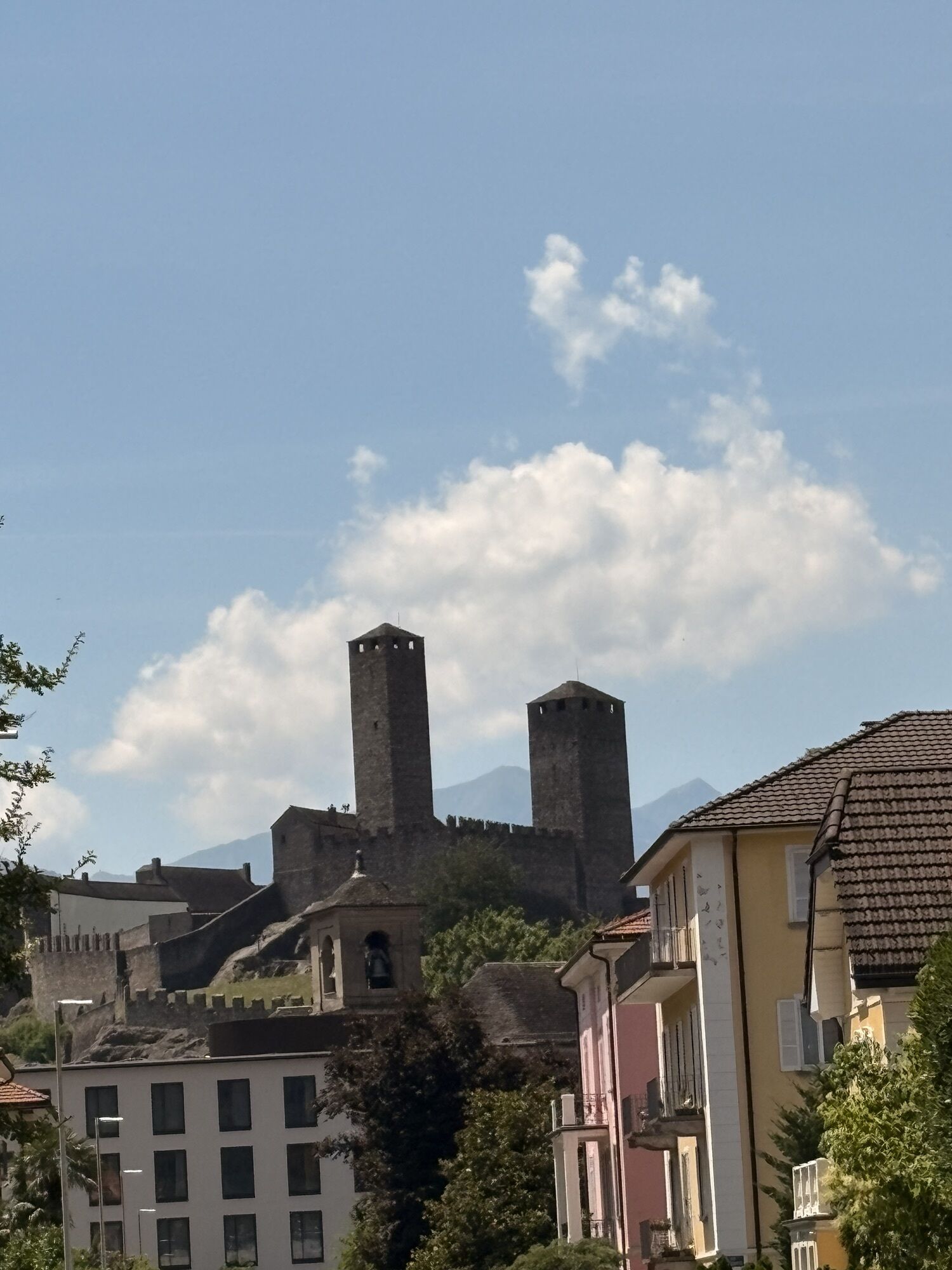
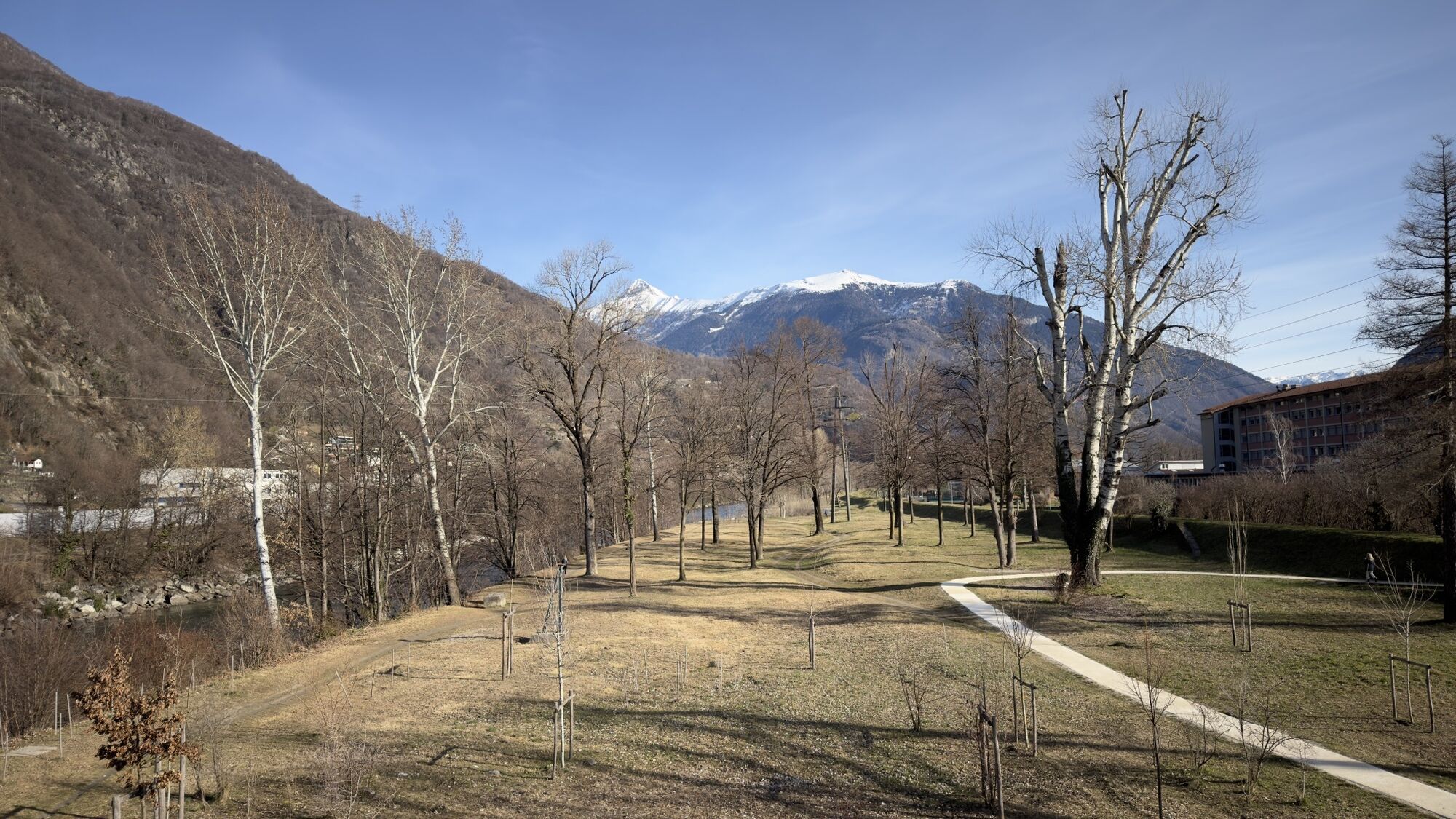
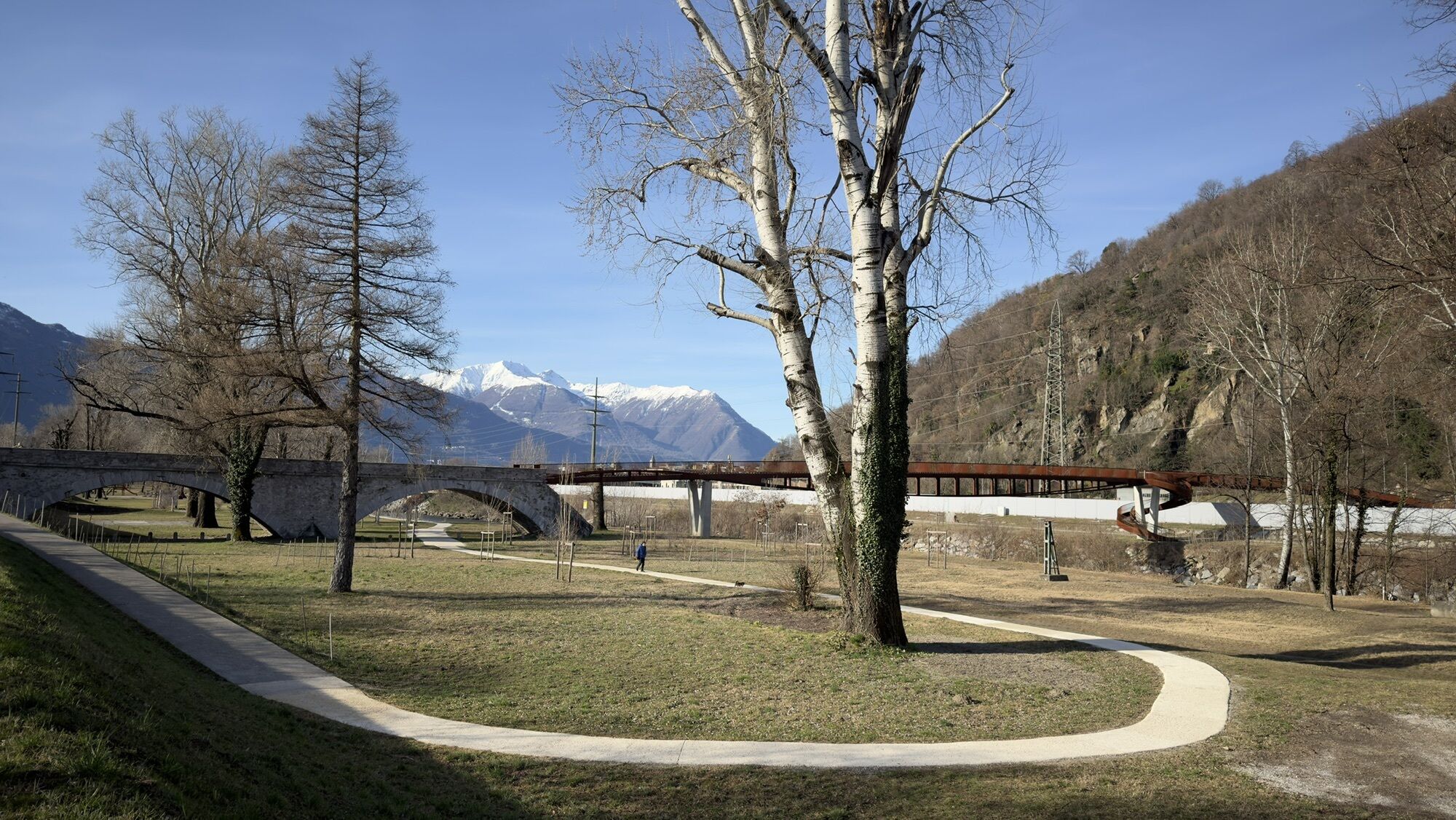
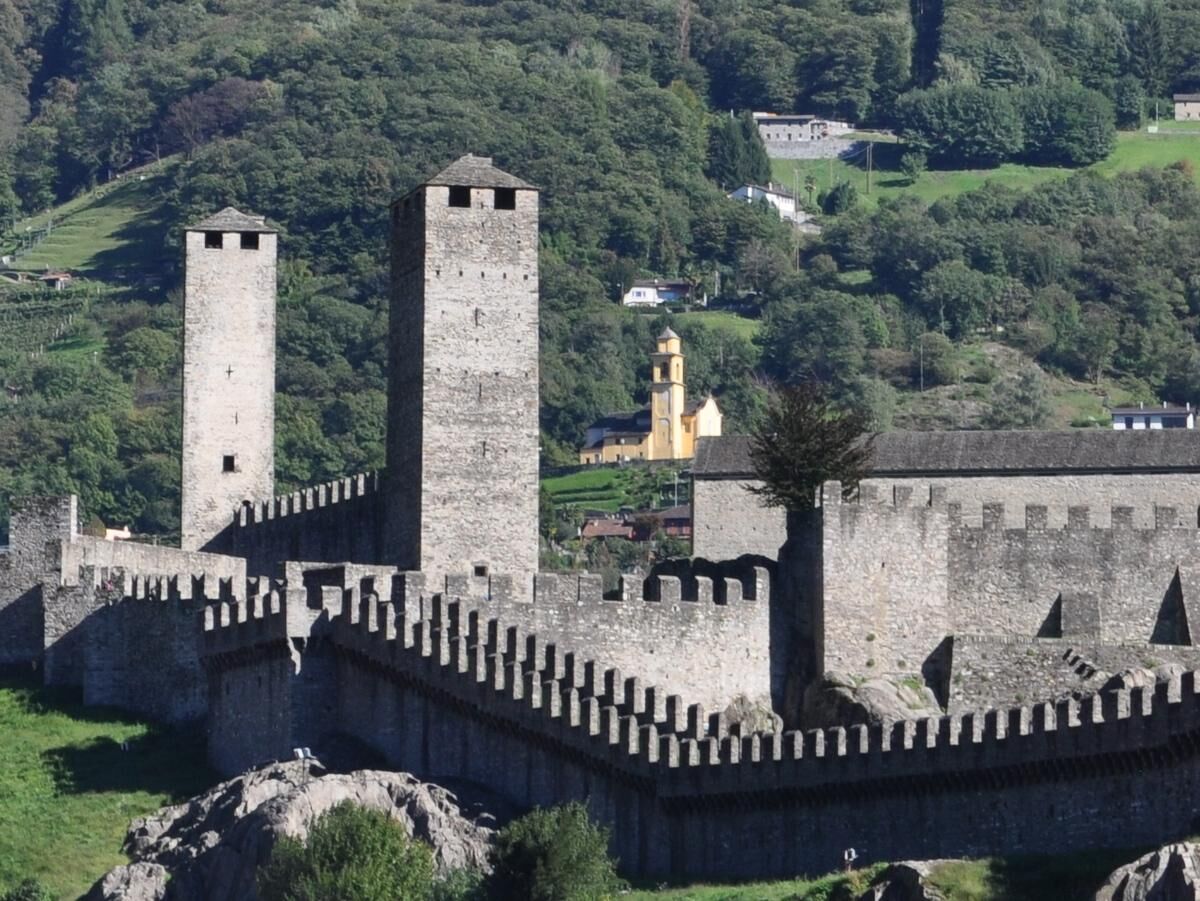
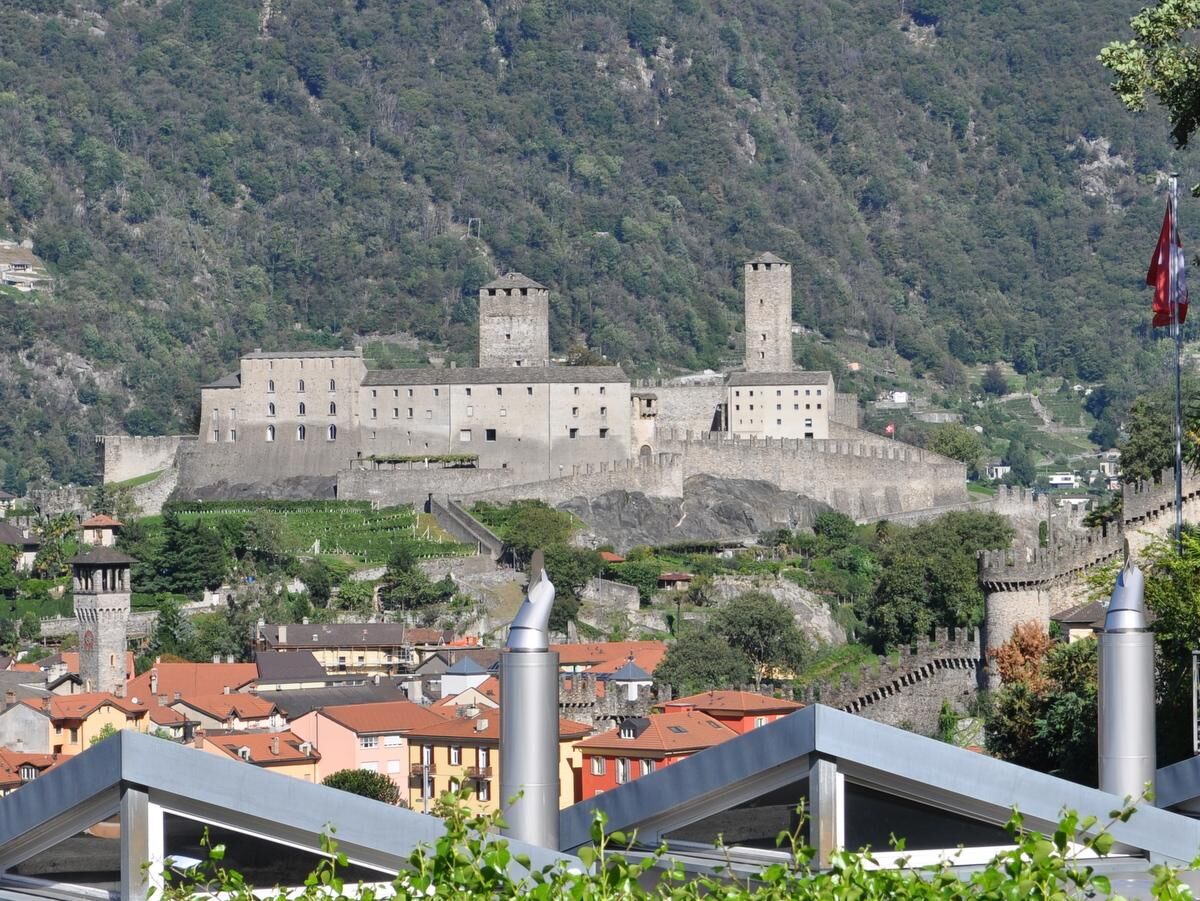
Castel Grande represents the starting point of an exceptional urbanistic discourse through the works of the major Ticinese architects of the twentieth century. Following the Murata, you notice the imposing...
Castel Grande represents the starting point of an exceptional urbanistic discourse through the works of the major Ticinese architects of the twentieth century. Following the Murata, you notice the imposing circular Administrative Center designed by Mario Botta, and then reach Palazzo Franscini, a work by Luca Ortelli, which hosts a unique center at the Swiss level by bringing together five cultural institutions.
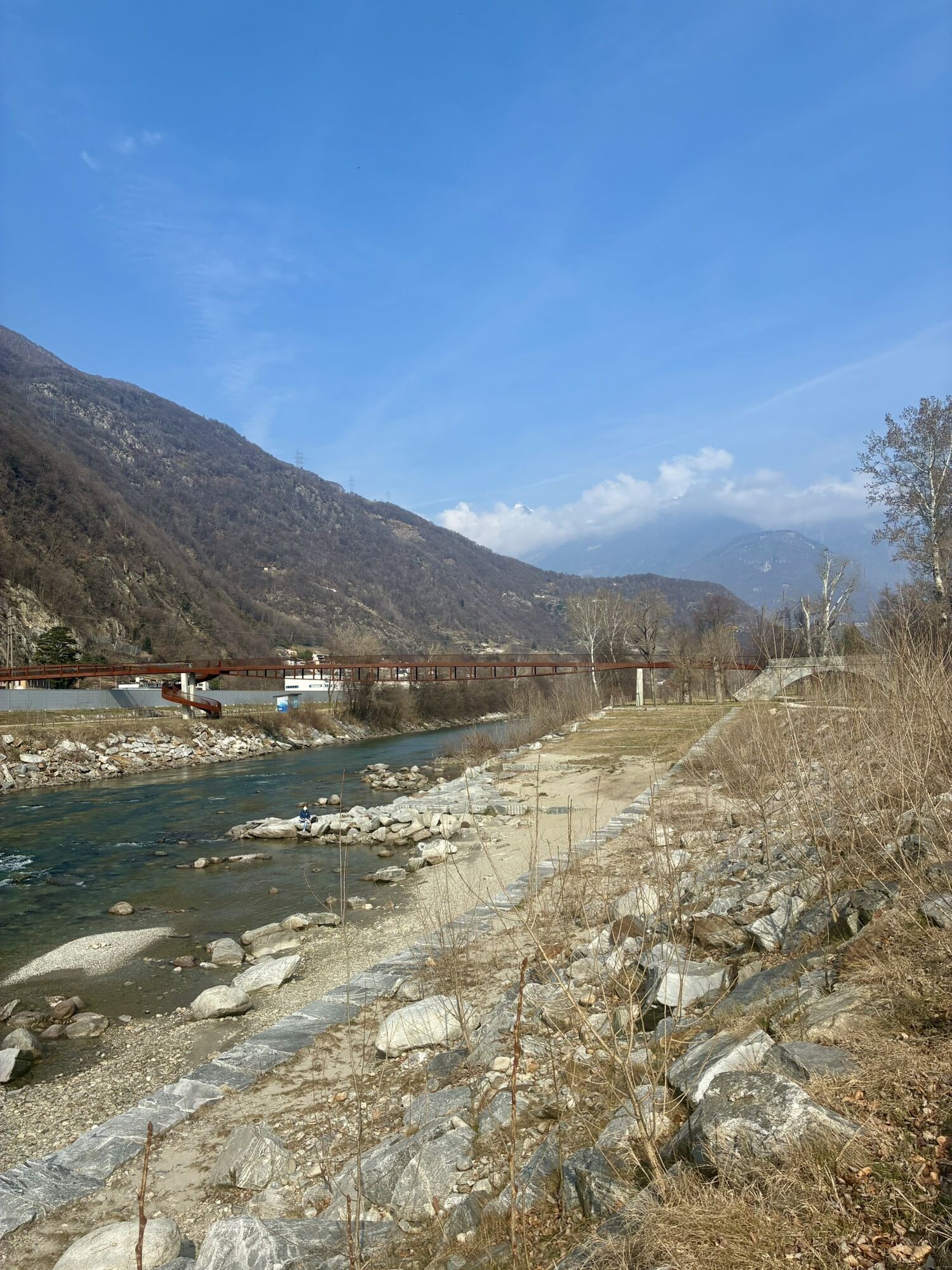
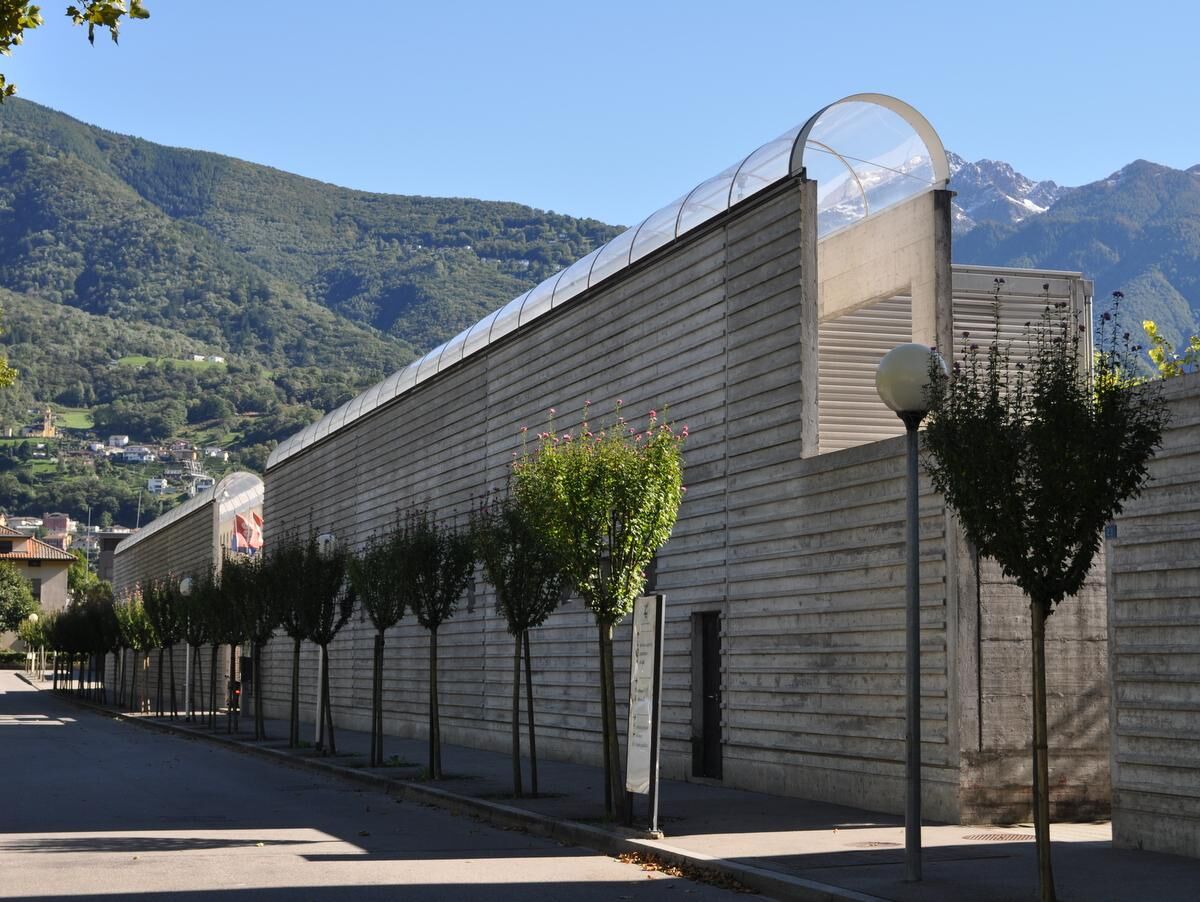
Continuing to the recreational areas beside the Ticino River, and following it northward, you arrive at the public Bath designed in 1970 by architects Aurelio Galfetti, Flora Ruchat-Roncati, and Ivo Trümpy.
An extraordinary summer leisure area, immersed in greenery, later completed by the Tennis Center (Aurelio Galfetti) and the Sports Center with indoor pool and skating rink.
Beyond the footbridge on Via Mirasole, you notice the former Gymnasium with red tiles by Alberto Camenzind. Heading north, you reach the houses at Vallone by Roberto Bianconi, the new Middle Schools 2 by Livio Vacchini inserted in a large still agricultural area destined to accommodate Bellinzona of the 21st century.
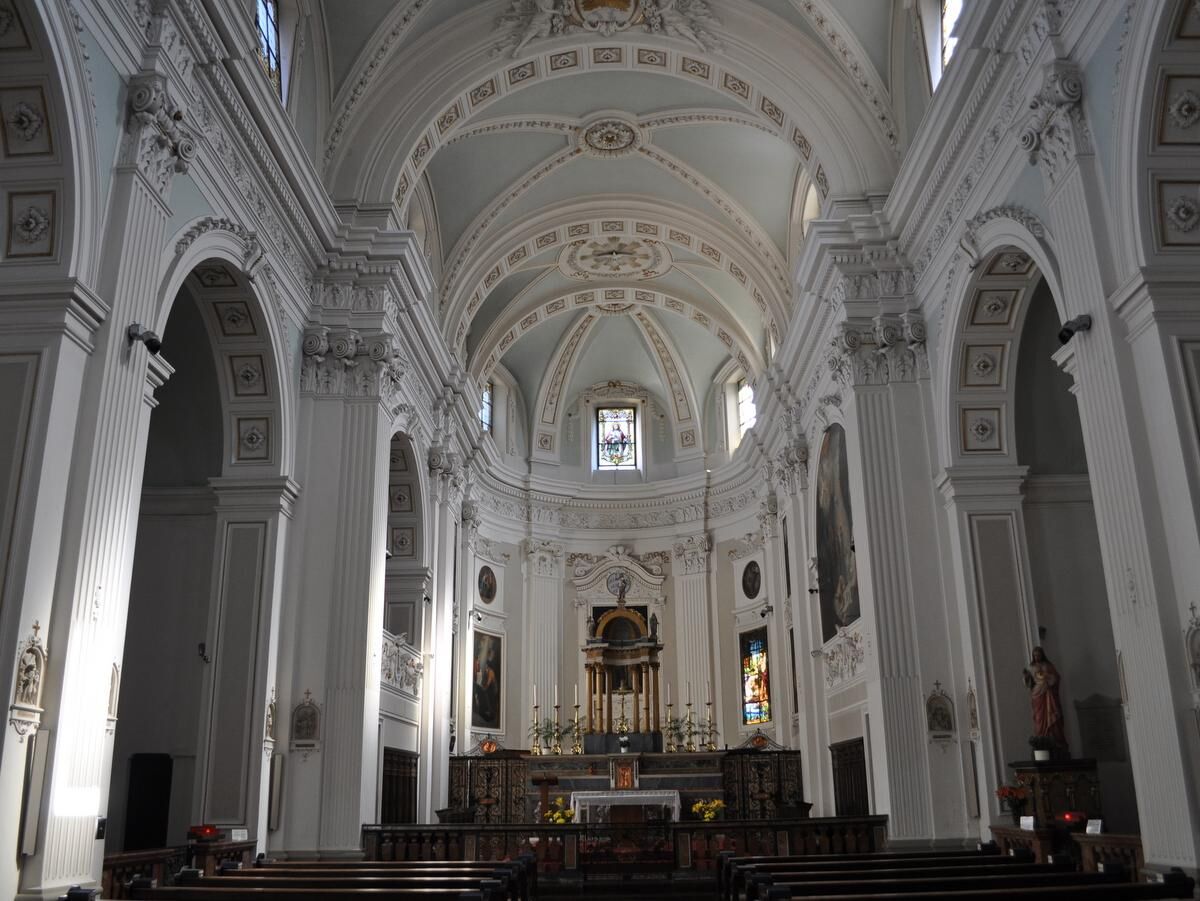
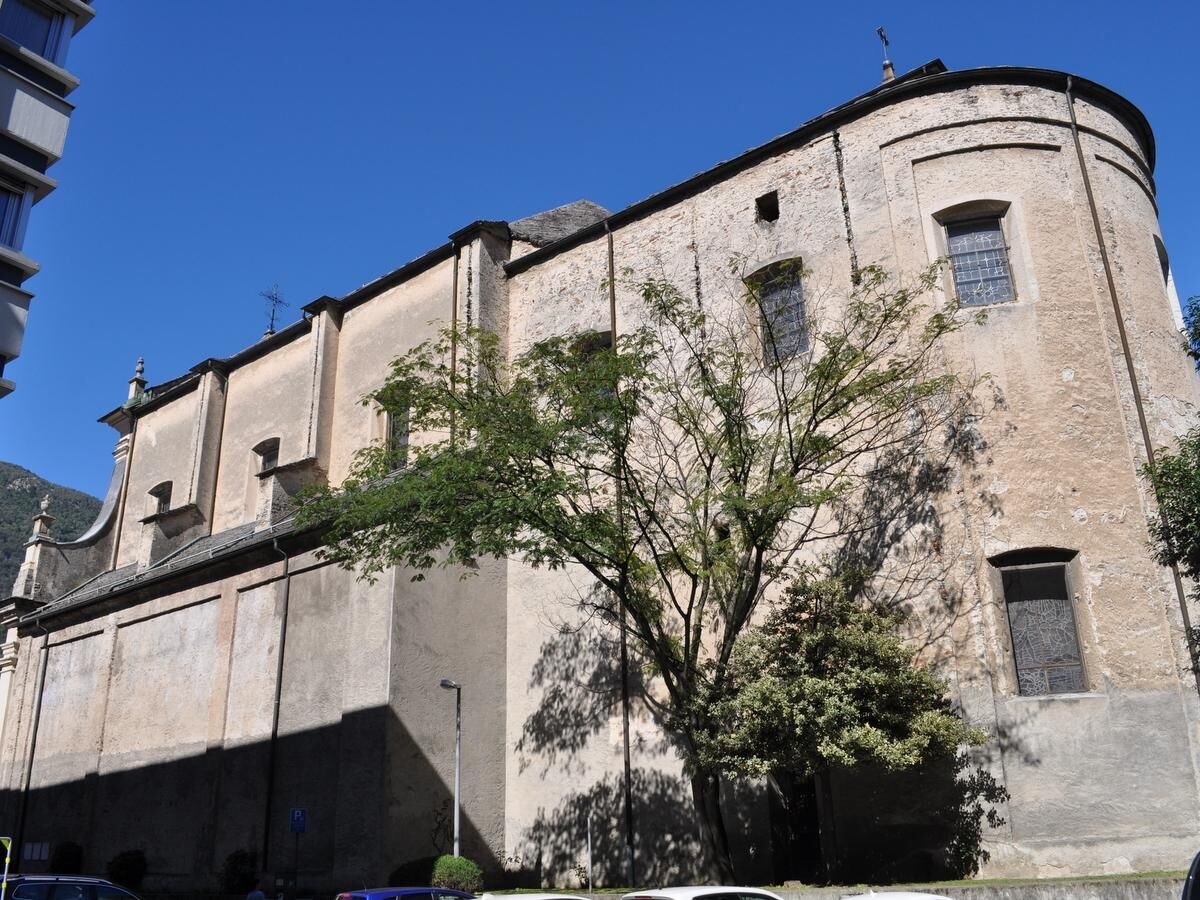
Heading back to the center, within a few minutes you reach the Sacred Heart church by Rino and Carlo Tami and the postal center on Viale Stazione (Angelo Bianchi, Aurelio Galfetti, and Renzo Molina) which leads back to the historic center. From Piazza del Sole designed by Livio Vacchini, you can see Palazzo Fabrizia (Luigi Snozzi and Livio Vacchini), home of the Institute for Biomedical Research.
Beyond the ancient walls section delimiting the square, Piazzetta Mario Della Valle opens, which, with its opening in the rock, represents a third and symbolic tower of the castle allowing a modern and facilitated access to the Castel Grande complex.
The route then continues south along via Lugano from which you can see the administrative-residential Palace for which Mario Botta received the Marble Architectural Award. It then continues to Giubiasco through the residential districts of Ravecchia and Pedevilla, where majestic historic villas, rustic houses, and new buildings of fine architecture are located.
The center of the village has undergone radical evolution in recent years. Commissioned by the Municipality, Lorenzo Custer, introducing cutting-edge and quality solutions for slow mobility, has redesigned the entire area around Piazza Grande, which hosts an open-air biennial art exhibition.


Tak
Trekking boots
Cap
Water bottle
Sunglasses
Sunscreen
Hiking map
Camera
Food
Montagnepulite: This project was created to promote effective and sustainable management of alpine huts on Ticino territory, particularly waste management. Responsible waste management in the mountains is a matter of common sense. We can all contribute: www.montagnepulite.ch
Uzyskaj wgląd
Zawsze na żywo z ponad 9 500 kamer internetowych. bergfex Jako użytkownik Pro, możesz teraz zobaczyć odpowiednie kamery internetowe dla wielu wycieczek w aplikacji wycieczki od. Pozwala to na bezpośredni podgląd aktualnych warunków.
Popularne wycieczki w okolicy
-
4,6
Verzasca Dam-Mergoscia-Corippo-Lavertezzo
średniWędrówka 13,0 km -
4,6
Giro del ponte tibetano (SwitzerlandMobility 628)
średniWędrówka 9,02 km -
5,0
Verzasca Dam-Monti di Motti-Verzasca Dam
średniWędrówka 9,31 km -
4,8
Von Isone über den Camoghè 2.227m nach Colla
ciężkiWędrówka 20,2 km -
4,5
Klettersteig dei tre signori, Monte Carasso
ciężkiVia ferrata 4,85 km -
4,0
Vogorno-Alpe Bardughè-Vogorno
średniWędrówka 12,2 km -
Sentiero Verzasca (SvizzeraMobile 74)
średnidługodystansowy szlak pieszy 34,4 km -
5,0
Denti della Vecchia
średniWędrówka 14,7 km -
5,0
Monti di Motti-Sassariente-Gana-Monti di Motti
ciężkiWędrówka 12,9 km -
4,3
The Bellinzona Fortress and its castles
światłoWędrówka 5,41 km
Wędrówki i tropienie

Nie przegap ofert i inspiracji na następne wakacje
Twój adres e-mail została dodana do listy mailingowej.