





BicinVigna with Antonelli - Pink Itinerary
The circular itinerary, which starts from Villa Caccia in Romagnano Sesia, unfolds in a loop through the territories of Boca, Maggiora, Fontaneto d'Agogna and Ghemme before returning to Romagnano. The...
The circular itinerary, which starts from Villa Caccia in Romagnano Sesia, unfolds in a loop through the territories of Boca, Maggiora, Fontaneto d'Agogna and Ghemme before returning to Romagnano. The entire route is under the sign of the architectural creations that Alessandro Antonelli, born in Ghemme, left in 9 municipalities of the Novara area, among vineyards with DOC labels such as Boca and hills with the Alpine chain and rice fields in the background.

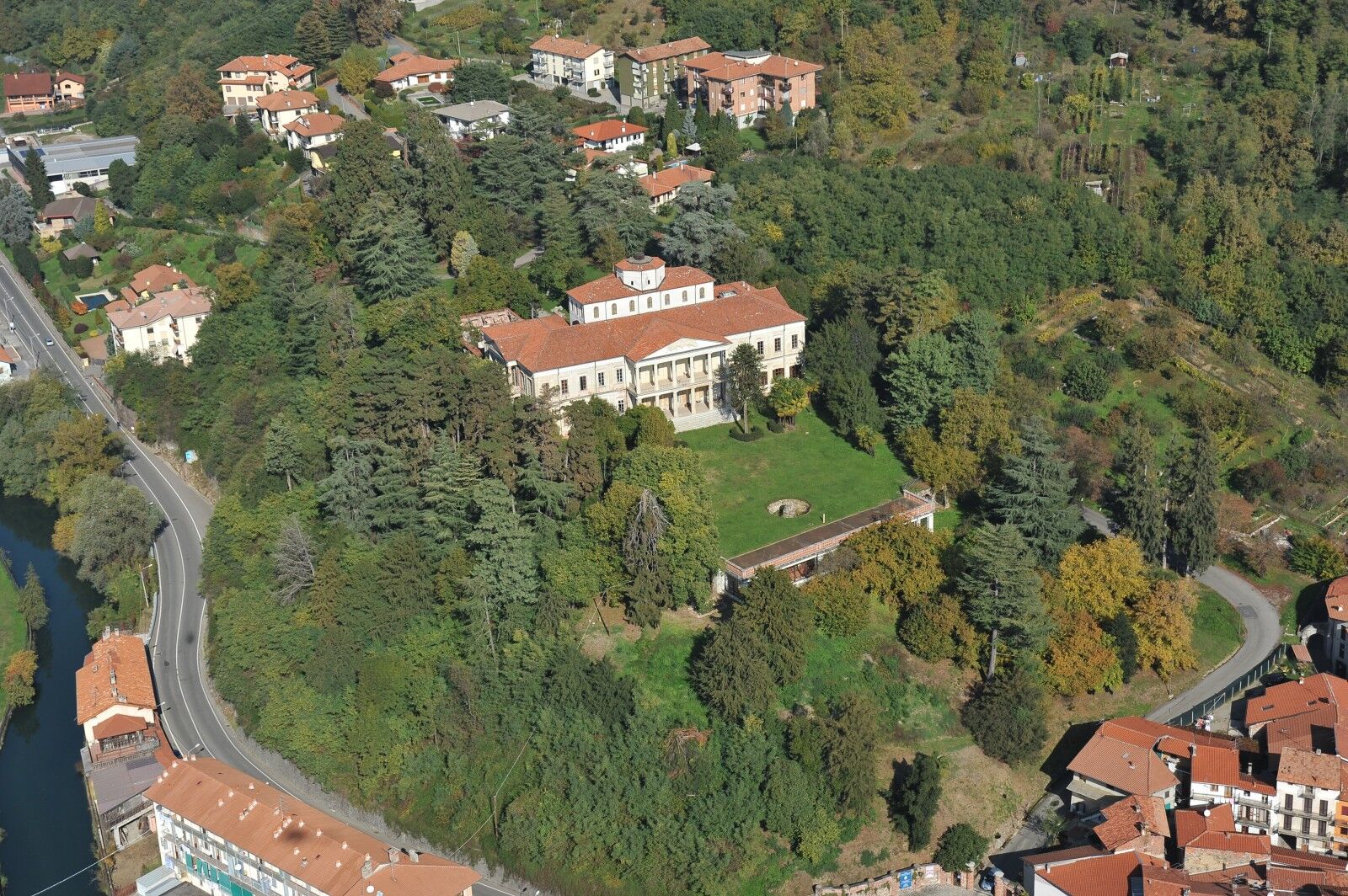
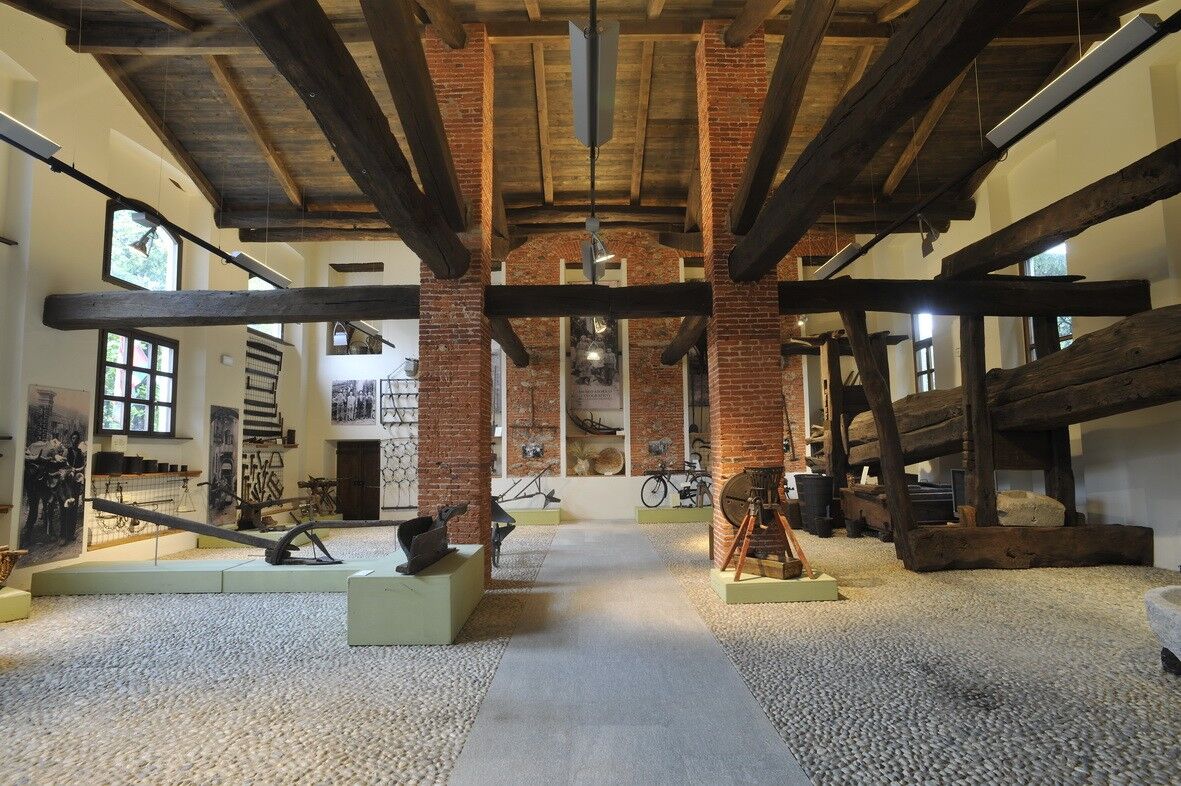

The starting point of the itinerary is in Romagnano Sesia at the majestic Villa Caccia: situated on a hill called Monte Cucco, it was the holiday residence of the Caccia Counts of Romentino. Built between 1842 and 1848 based on the design of architect Alessandro Antonelli, it appears as a monumental structure in neoclassical style. Inside the building is the Ethnographic Museum of the Lower Valsesia, which collects machines, tools, and ancient implements that testify to human labor in hilly lands, therefore linked to viticulture. There are reconstructions of family or social environments (the tavern, the school), a section dedicated to cinema (among the founders also Adriana Prolo, founder of the Cinema Museum of Turin), and one dedicated to the Good Friday of Romagnano, an ancient popular theater tradition dating back to 1729.
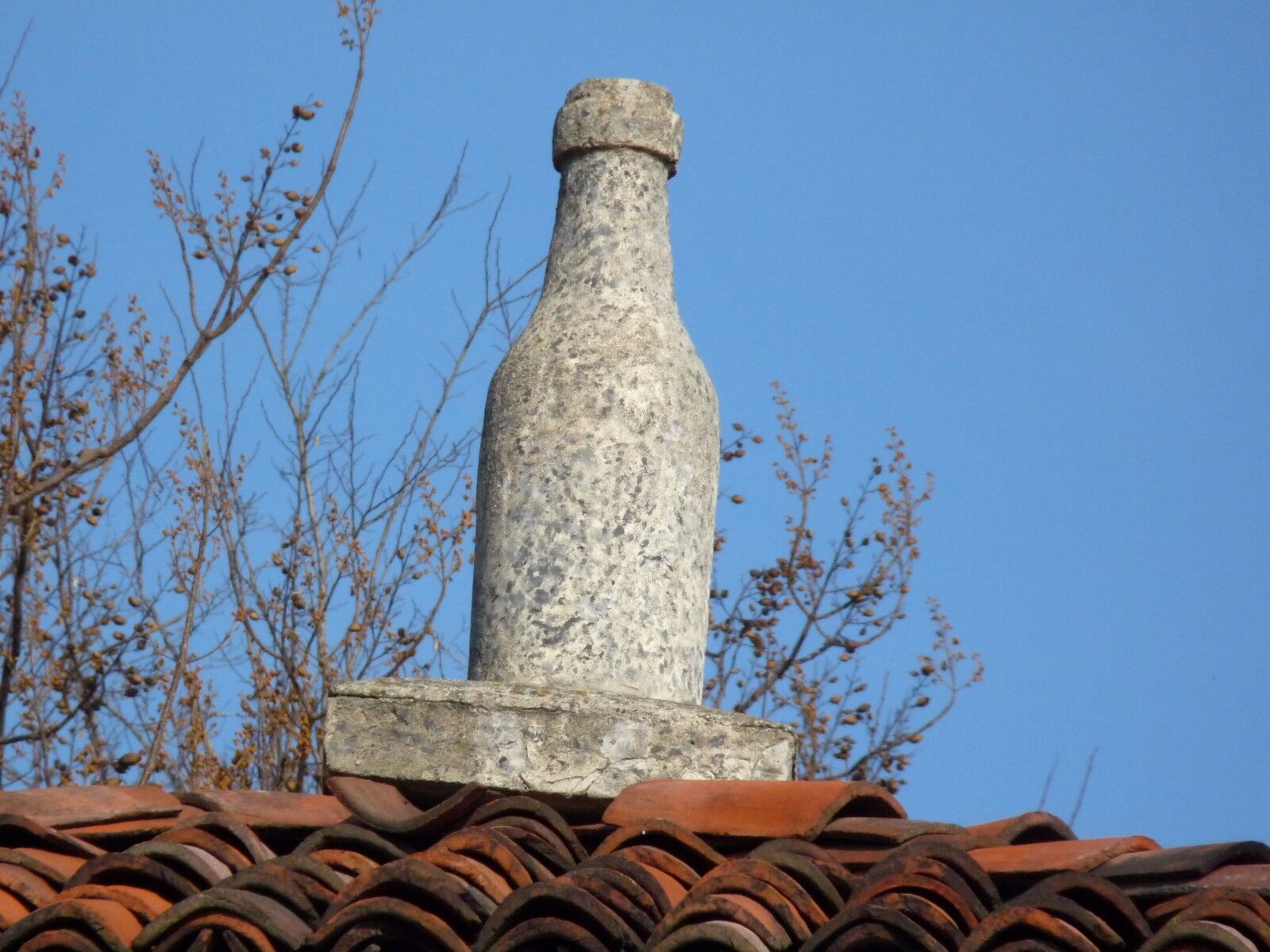
In Cavallirio among the vineyards, there are the casotti della vigna, small square or rectangular plan structures of 1 or 2 floors built starting from the 1800s. Initially used as tool shelters, they later became second homes for peasants; they housed a fireplace, a table, and benches, while a ladder led to the loft used as a dormitory. Among the most significant are the Cascinotto della Mezzaluna, the Bottiglia, and the Casin Ross.
The ancient Traversagna road is already included in the Teresian Cadastre of 1722. The route is surrounded by vineyards and a birch forest; on the left, it borders vineyards from which it is possible to admire a splendid panorama; it then descends for a short stretch before joining the current Traversagna, built at the beginning of the last century, which from Boca leads to the Torchio hamlet of Grignasco and connects to the provincial road north of the Grignasco cemetery.
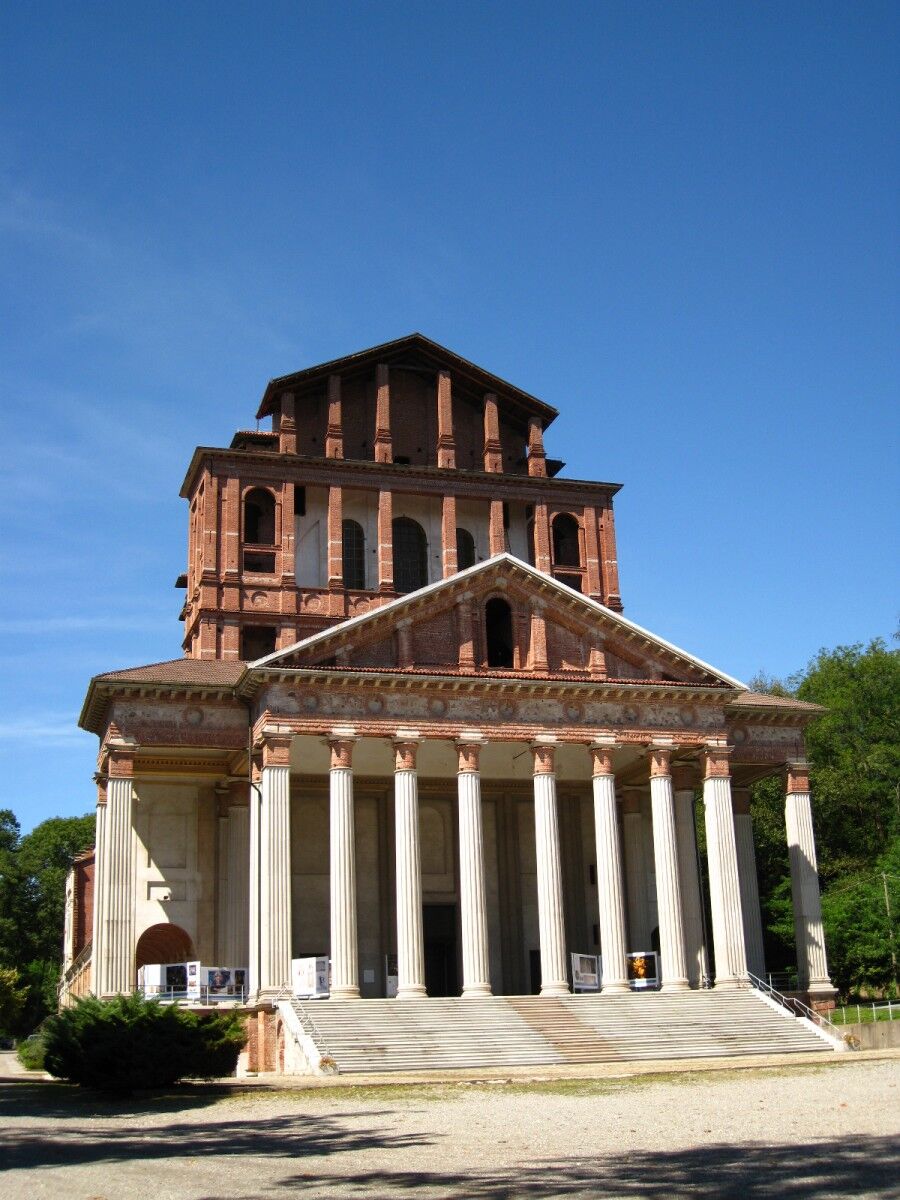
In Boca stands the imposing Sanctuary of the Most Holy Crucifix, whose foundation is dated to the 1600s, on the site of an ancient votive chapel called the Souls in Purgatory, built following a bloodshed, characterized by a fresco depicting a crucifix; it was then expanded during the 1700s following some miraculous healings. The increased importance of the Sanctuary and the massive influx of pilgrims made the construction of a larger and more capacious church necessary. The architect Antonelli was called, who designed a neoclassical temple whose works proceeded very slowly, so much so that the architect never saw its completion; the site was completed by his son Costanzo. The Sanctuary later suffered a collapse severely damaging the left side and was then damaged by an aerial bombing. Subsequent restoration interventions and modifications gave the building its current appearance.
You reach Maggiora, where the parish church of Santo Spirito deserves a visit, a baroque construction housing the shrine of Saint Agapitus, a work by Alessandro Antonelli, who also took care of the town's master plan and the design of the cemetery; in the center rises Casa Antonelli, a four-story building with a beautiful garden planted with hundred-year-old trees. The building underwent numerous interventions over the years.
From Maggiora, the itinerary continues south towards Fontaneto d'Agogna, where rises the parish church dedicated to the Blessed Virgin Assumed, of ancient origins but largely modified over the centuries, until it took its current appearance, with the construction in the mid-1800s of the shrine, to house the remains of the martyr Alessandro, designed by Alessandro Antonelli. Circular in plan and covered by a hemispherical dome, the shrine echoes the motifs of Roman classicism; the 12 supporting columns divide the spaces in which 10 niches hold as many statues of saints, topped by bas-reliefs depicting the life of the Saint, a work by Giuseppe Argenti. The white marble altar was also designed by Antonelli.
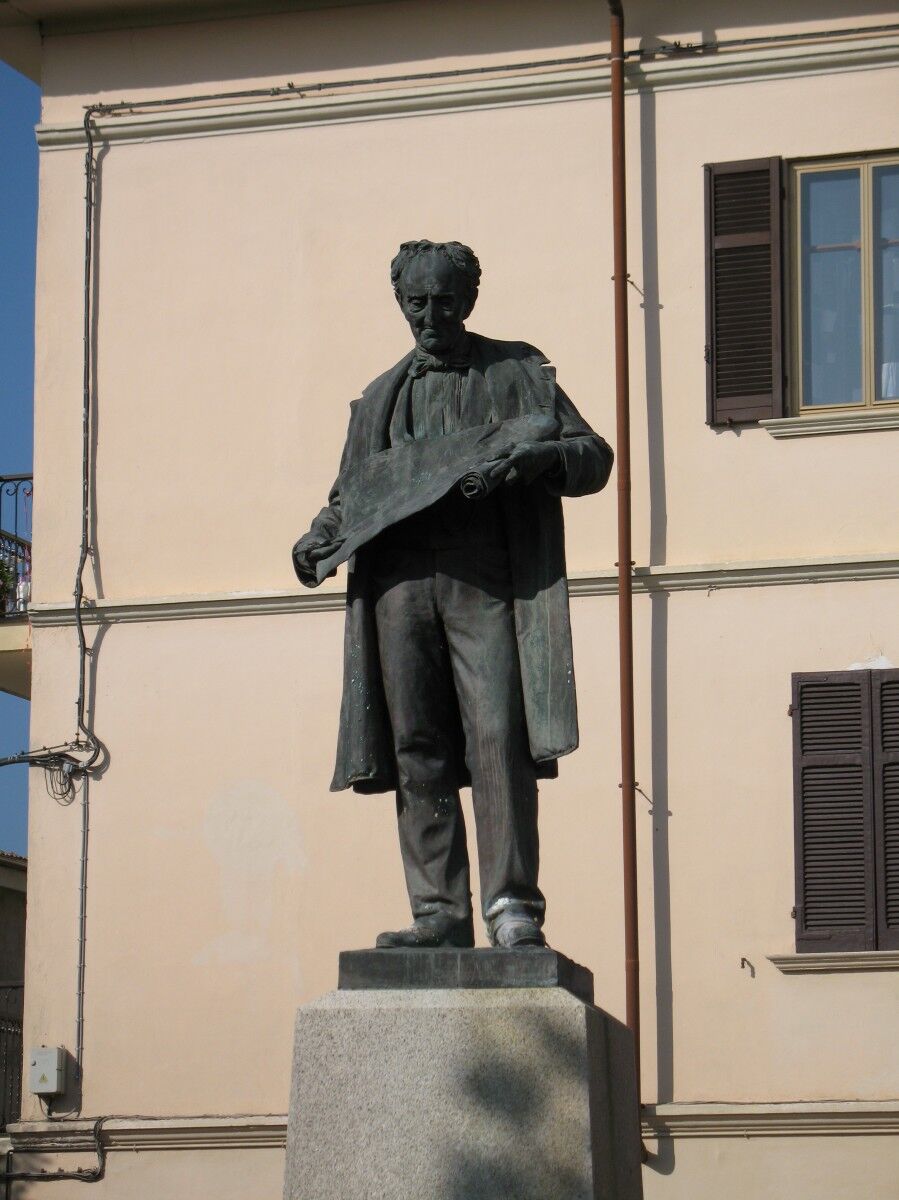
Provincial Road 22 from Fontaneto leads to Ghemme, the birthplace of Alessandro Antonelli; a marble plaque on a house in the center commemorates the event. The parish church of Santa Maria Assunta was built starting from 1666 and completed in the mid-1700s. On the right side of the transept stands the Shrine of the Blessed Panacea, a work by Antonelli erected between 1864 and 1875; it is a circular space with frescoes and stained glass windows that recount important events from the life of the young shepherdess, virgin and martyr, killed in the mountains of Quarona, whose remains were brought to Ghemme. The Blessed Panacea, patroness of Valsesia, is a constant object of devotion, and the processions through the town's streets on the occasion of the patronal feast (early May) are particularly evocative. In the town center also stands the ancient castle-ricetto, a popular medieval fortification used to defend the population and food supplies in case of attacks. The houses inside the ricetto are developed over 3 levels: the ground floor often used as a cellar, the first floor as residence, and the attic used as storage. Its surface covers about 12,000 sqm, equipped with perimeter walls, a moat, and corner towers; with a central spine road providing access to internal courtyards; the walls were built with stones arranged in a herringbone pattern interspersed with brick courses.
Suitable equipment is recommended with windbreaker jacket and possible change of clothing. A good supply of water.
Rest and refreshment points along the route (bars, restaurants)
Villa Caccia in Romagnano Sesia
In Boca, the Sanctuary of the Most Holy Crucifix
In Maggiora, the shrine of Saint Agapitus and Casa Antonelli
Ghemme, castle-ricetto
Popularne wycieczki w okolicy
- 5,0
Lakeside Maggiore Route
ciężkiDroga rowerowa 162,8 km On the Hills from Cavallirio and Boca
światłoWędrówka 9,73 kmFrom Grignasco to the Crag of Ara
światłoWędrówka 6,94 kmIn the hills of Borgomanero
średniMountainbike 41,3 kmFrom the rice plain to the hills of Middle Novara
ciężkiMountainbike 45,9 kmBetween the Sesia and the vineyards of the Novara hills
średniMountainbike 40,2 kmBicinVigna with Antonelli
średniMountainbike 25,2 kmGreen loop trail of Lake Orta
ciężkiMountainbike 50,4 kmLagoni di Mercurago Park
światłoMountainbike 12,5 kmMeina to Arona
E-Bike 31,0 km
Wędrówki i tropienie

Nie przegap ofert i inspiracji na następne wakacje
Twój adres e-mail została dodana do listy mailingowej.