






WINE ROUTE - LAND OF MUSCAT AND BULLS
Between vineyards and scrubland, you are in the Pays de Lunel, lands of vibrant traditions in the heart of the Petite Camargue, secretive and authentic...
Stroll in the shade of the villages or under the...
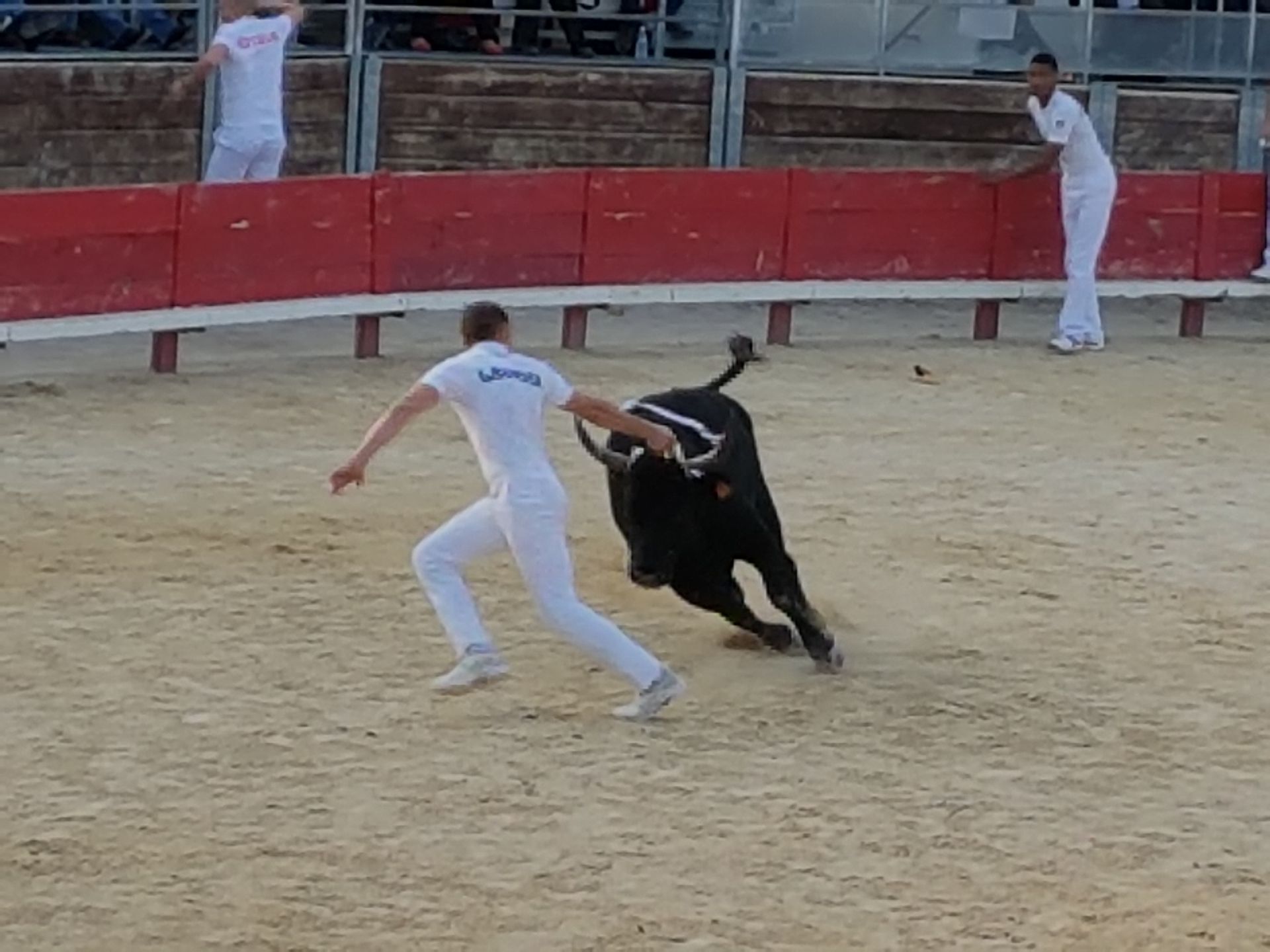
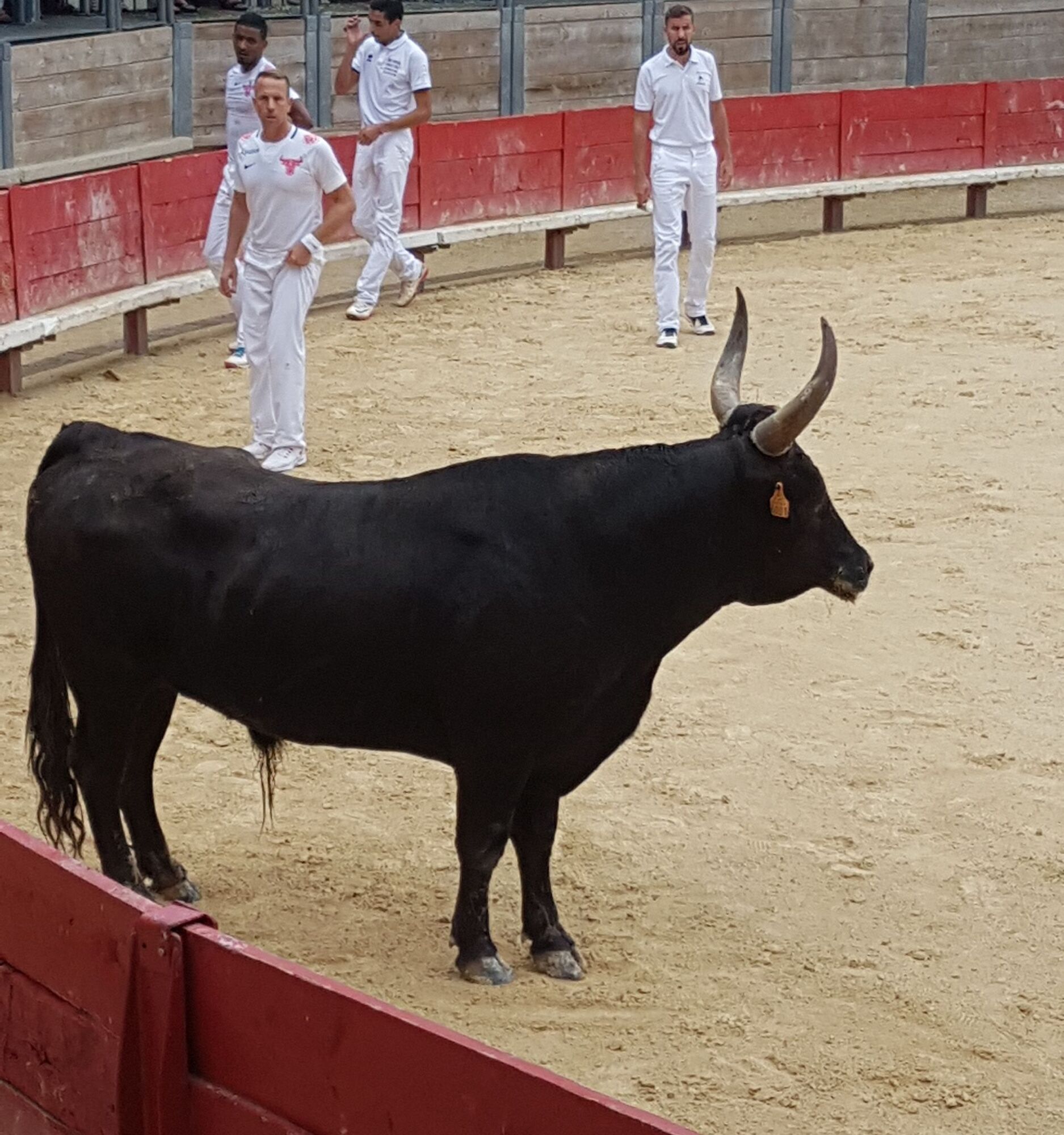
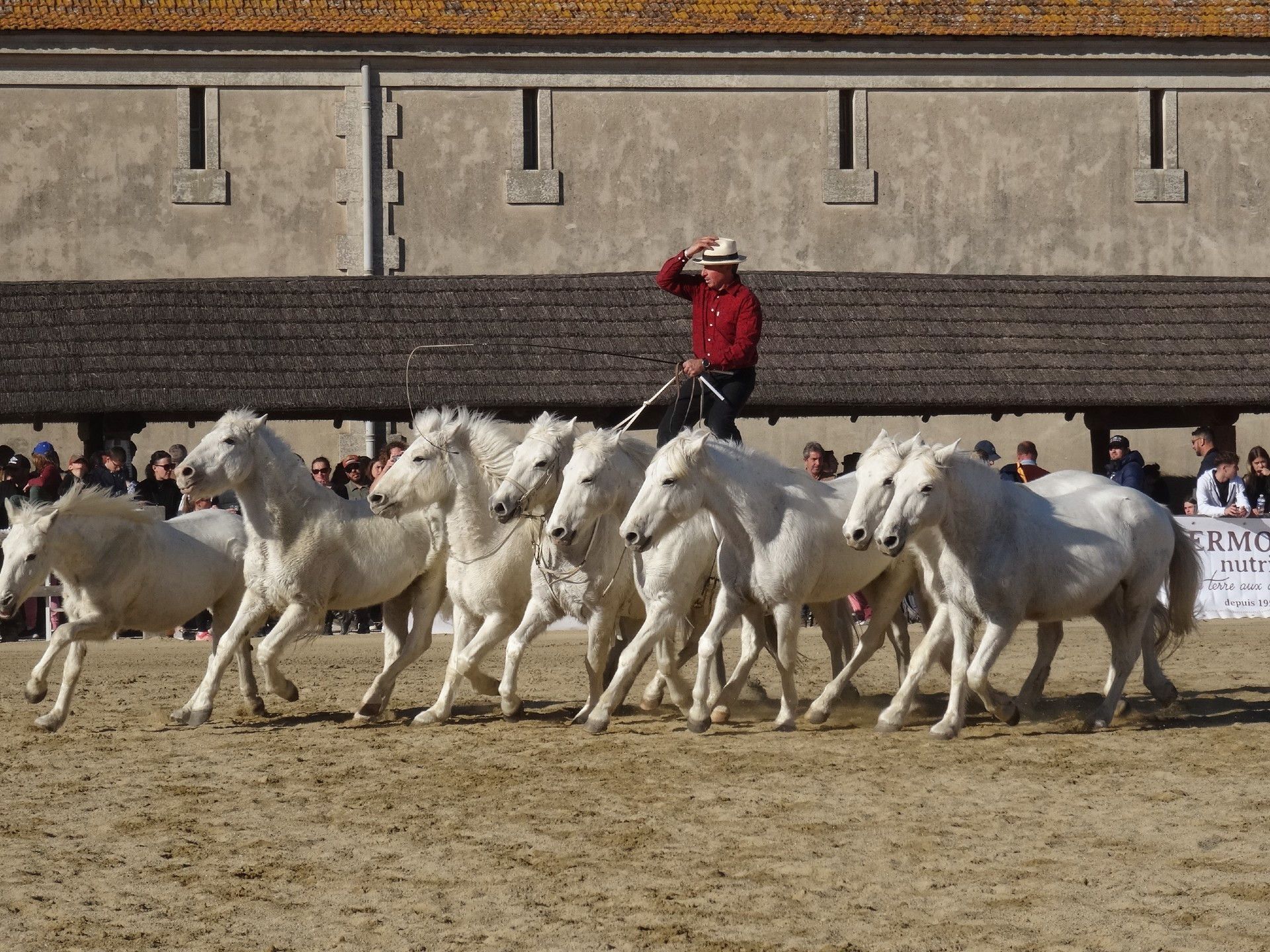
Stroll in the shade of the villages or under the Caladons in Lunel... and let the stones speak... Let yourself be enchanted by the mystery of the Roman bridge of Ambrussum, so romantic and above all, let yourself be seduced by the wines of this land, the Muscat de Lunel and the AOC Languedoc St-Christol! But also, hike... on foot, on horseback, by mountain bike, by canoe, among horses, bulls and pink flamingos...
You are in a Mediterranean garden: breathe!

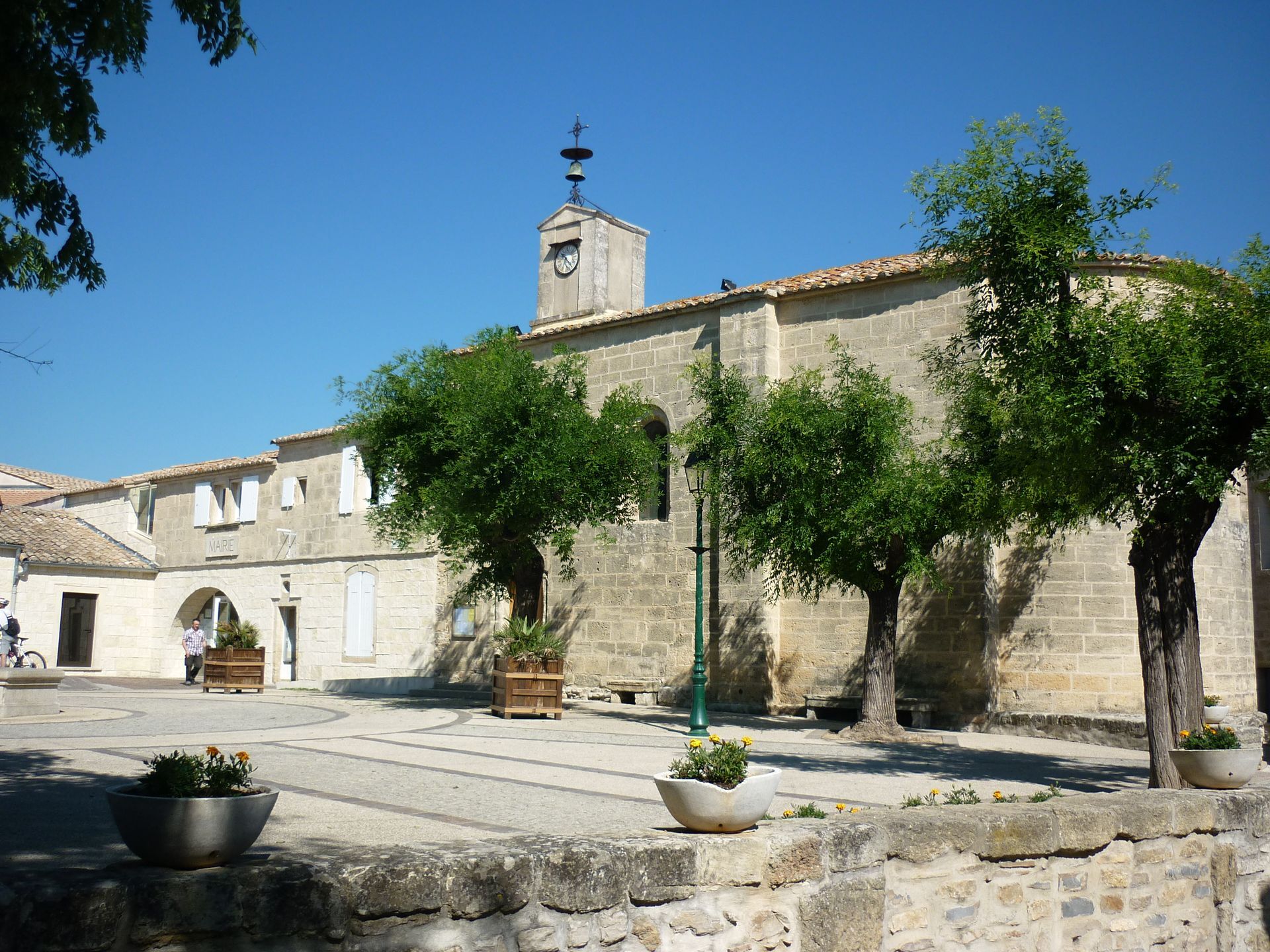
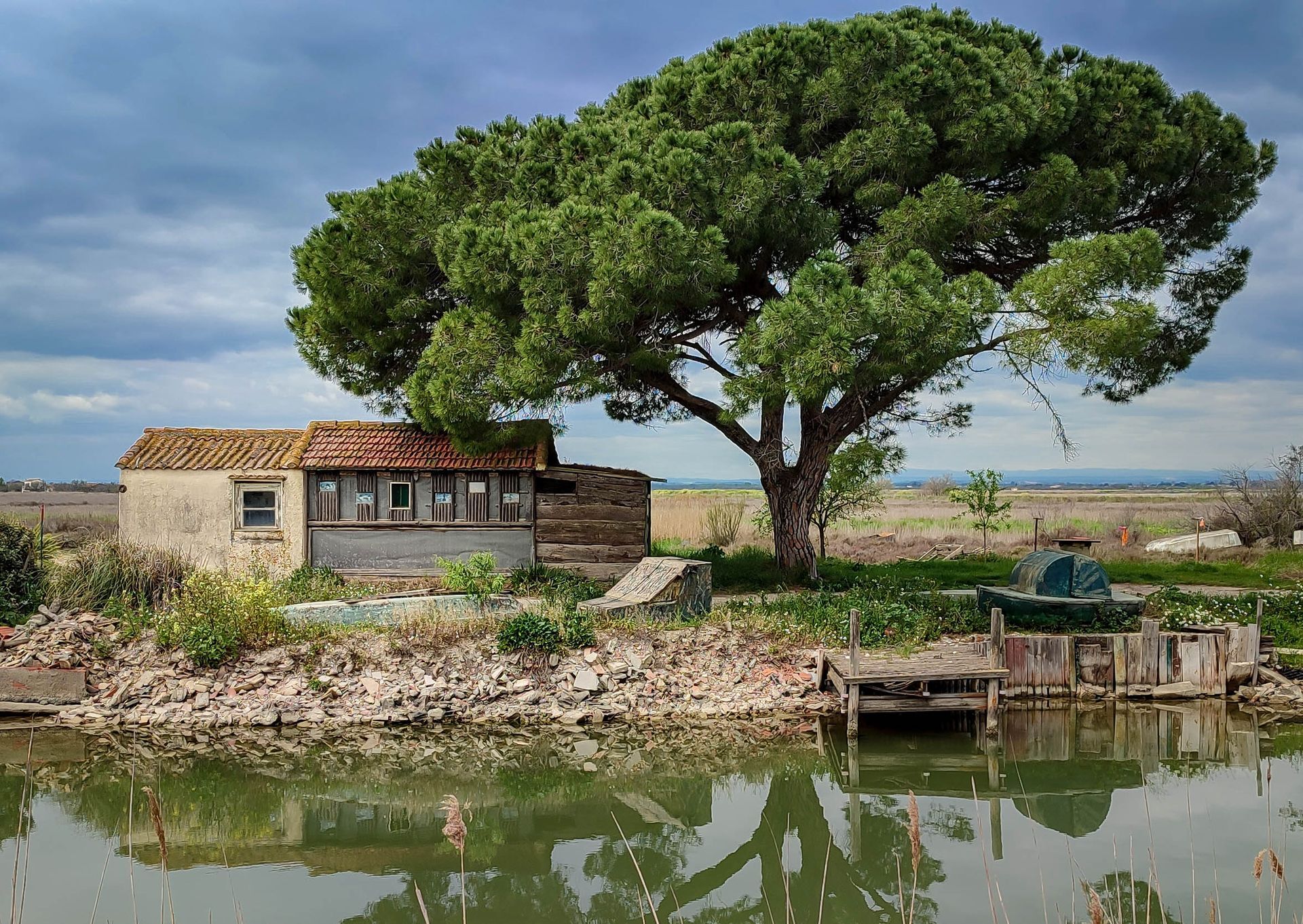

1
Known for its famous Muscat, its medieval origins left it a rich heritage. Not to be missed: the Prison Tower Museum and its moving testimonies discovered by torchlight, the Médard Museum, an impressive collection of ancient books. Follow the historical route of this Languedoc town, renowned in the 12th and 13th centuries for its Jewish community of doctors, philosophers and translators and the market square with arcades, the Caladons, the Gothic house Philippe le Bel, the Penitents' chapel, the Baltard-style market halls, not forgetting the Jean Hugo park with its century-old trees and the new arenas. The Lunel canal, a reminder of the old port, leads us to the wet lands of Camargue.
2
Of Gallo-Roman origin, it has a winemaker architecture typical of the 19th century, with large gates dedicated to the passage of carts loaded with barrels. Not to be missed is its town hall château in a park with classified plant species.
The route then reaches the hillside terroir of the famous Muscat de Lunel vineyard. A naturally sweet wine, it ensured the prosperity of this territory. Magnificent mansions testify to this, including the famous Tour de Farges estate, owned by the Sabatier d’Espeyran family since the late 18th century. In the 19th century, the château became an international cultural salon. Gustave Courbet immortalized it in one of his paintings "View of the Tour de Farges" (Fabre Museum in Montpellier).
3
Located at the heart of Muscat de Lunel production, majestic wine grower châteaux reveal the prestigious history of this vintage once appreciated by Europe's greatest courts. To be discovered on a hiking or mountain bike route.
4
Seat of one of the most important commanderies of the Order of Malta linked to the Grand Priory of Saint-Gilles, its renowned wines obtained one of the first barrel marking rights (ancestor of the AOP). The village is the starting point of hiking trails.
5
Following the riverbank and climbing the hill offers a breathtaking view of the Roque de Saint-Sériès (spectacular cliffs overlooking the Vidourle), with an orientation table to locate yourself. A via ferrata has been installed as well as a canoeing start point.
6
Its Romanesque church was the scene of dramatic events during the religious wars. The route winds between two hills covered with scrubland. Reaching the highest point, a beautiful lookout allows a 360° discovery of the surrounding landscape (Cévennes, Mont Ventoux…).
7
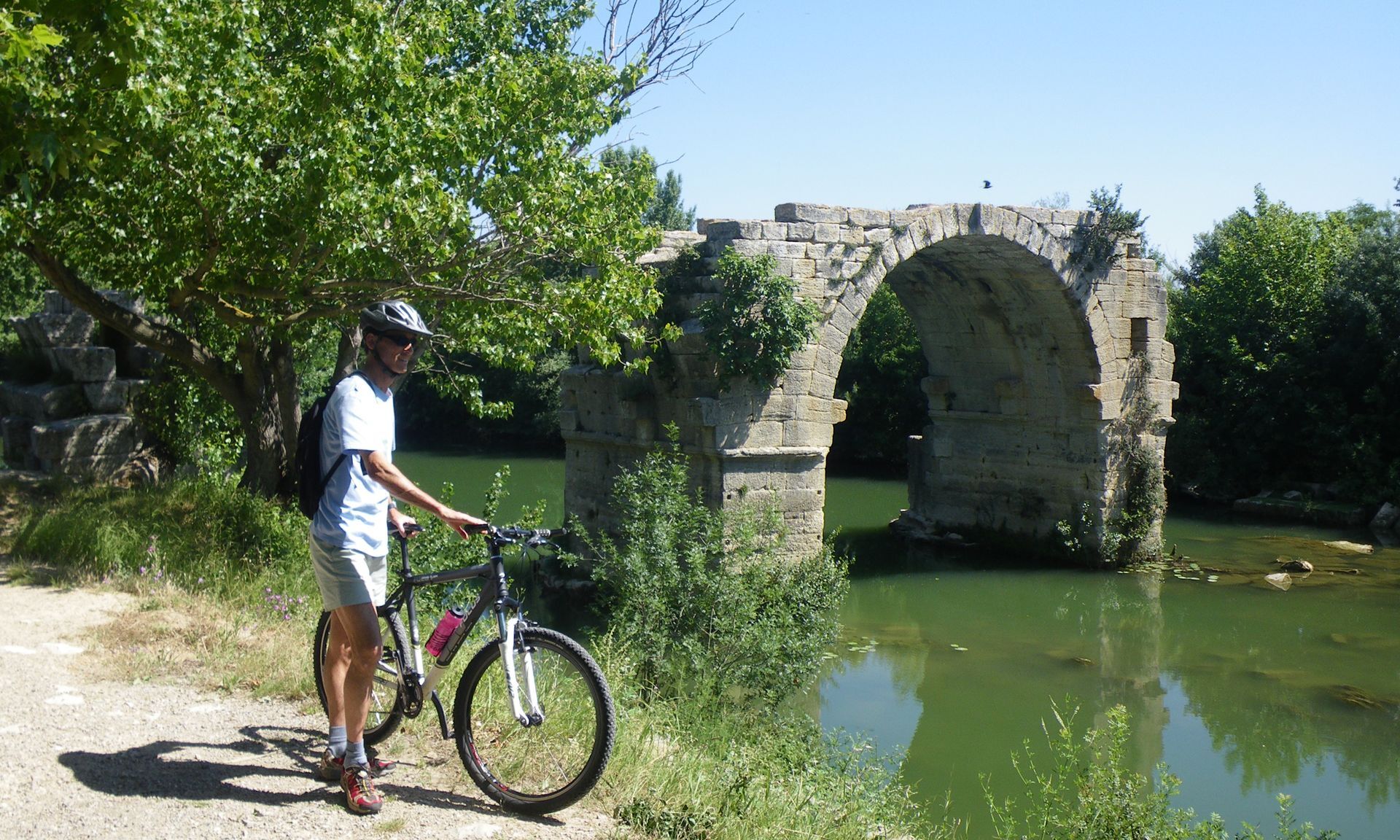
Has a major archaeological site: Ambrussum. This Gallo-Roman oppidum on the Via Domitia still bears witness to urban organization in ancient times: the Ambroix bridge crossing the Vidourle, the paved road, the lower district, an old roadside stop revealing remains of baths, houses, wells, and finally the upper town, a fortified area built on the hill. Retrace your steps and cross the Vidourle towards Aubais. Here a wide beach, a tavern and the Moulin de Carrière (located on the left bank) invite you to a picnic stop.
8
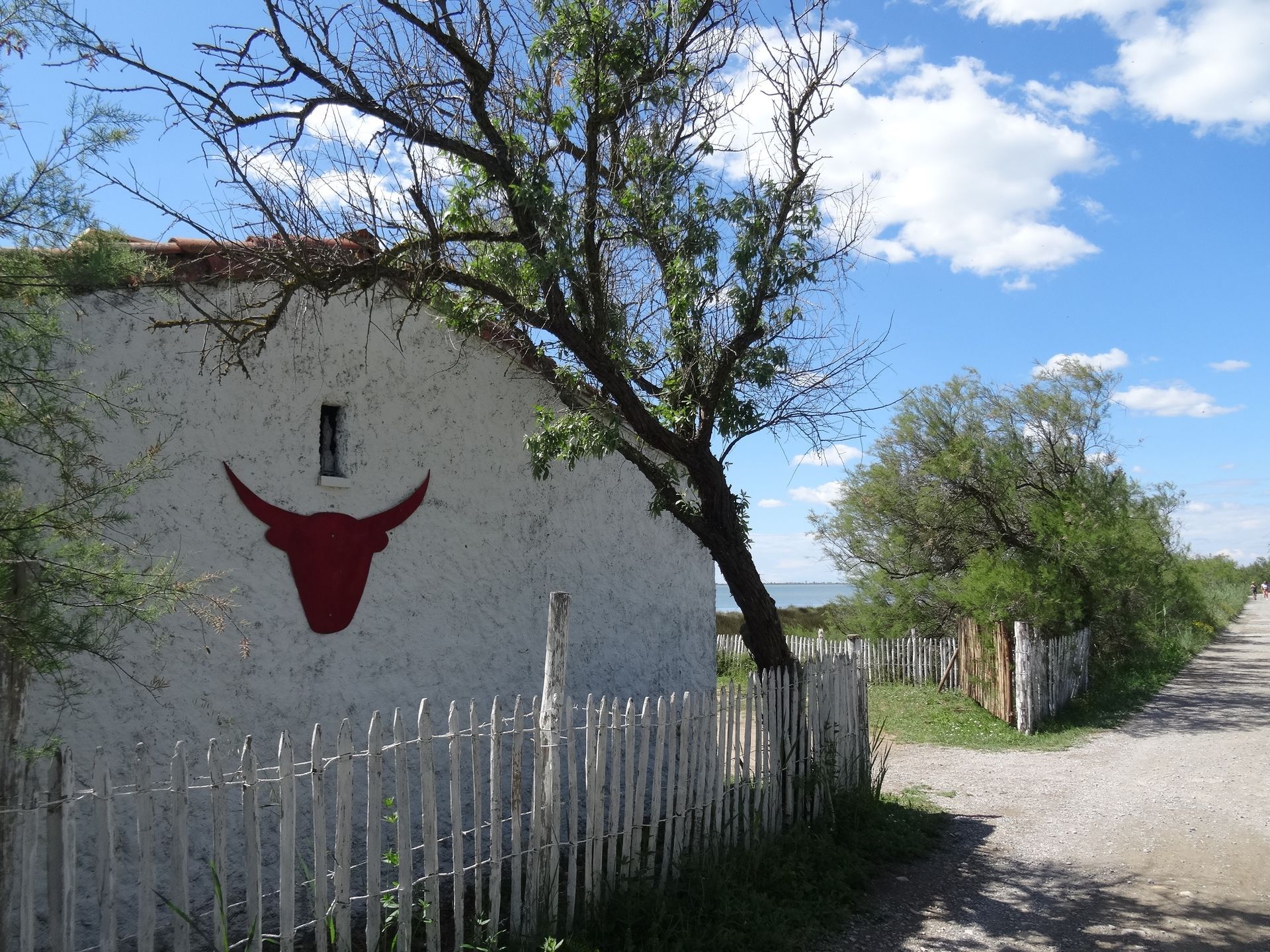
Dominated by the former château, nicknamed the Versailles of Languedoc, the village leads you into the traditions of bull breeding. Escape to the meadows of a manade, be attentive to the “empègues,” Camargue tradition stencils painted on house doors. The château square, listed in the heritage inventory, transforms into temporary arenas during the votive festival.
9
Birthplace of two great servants of the State: Emile Jamais, deputy of Gard, and Gaston Doumergue, who became President of the Republic in 1924. In the 19th century, vine monoculture favored wine and brandy trade. Large stone buildings with cellars and warehouses around a courtyard with wrought iron gates testify to this.
10
A passing place, as evidenced by the remains of the old Via Domitia which here crossed the Rhôny by ford, the 16th century gave the village the opportunity to reconnect with antiquity, giving birth to the Royal Route.
11
The village square concentrates a set of beautiful Third Republic facades. Aimargues is the homeland of Fanfonne Guillerme, one of the first female cattle breeders of the 20th century.
12
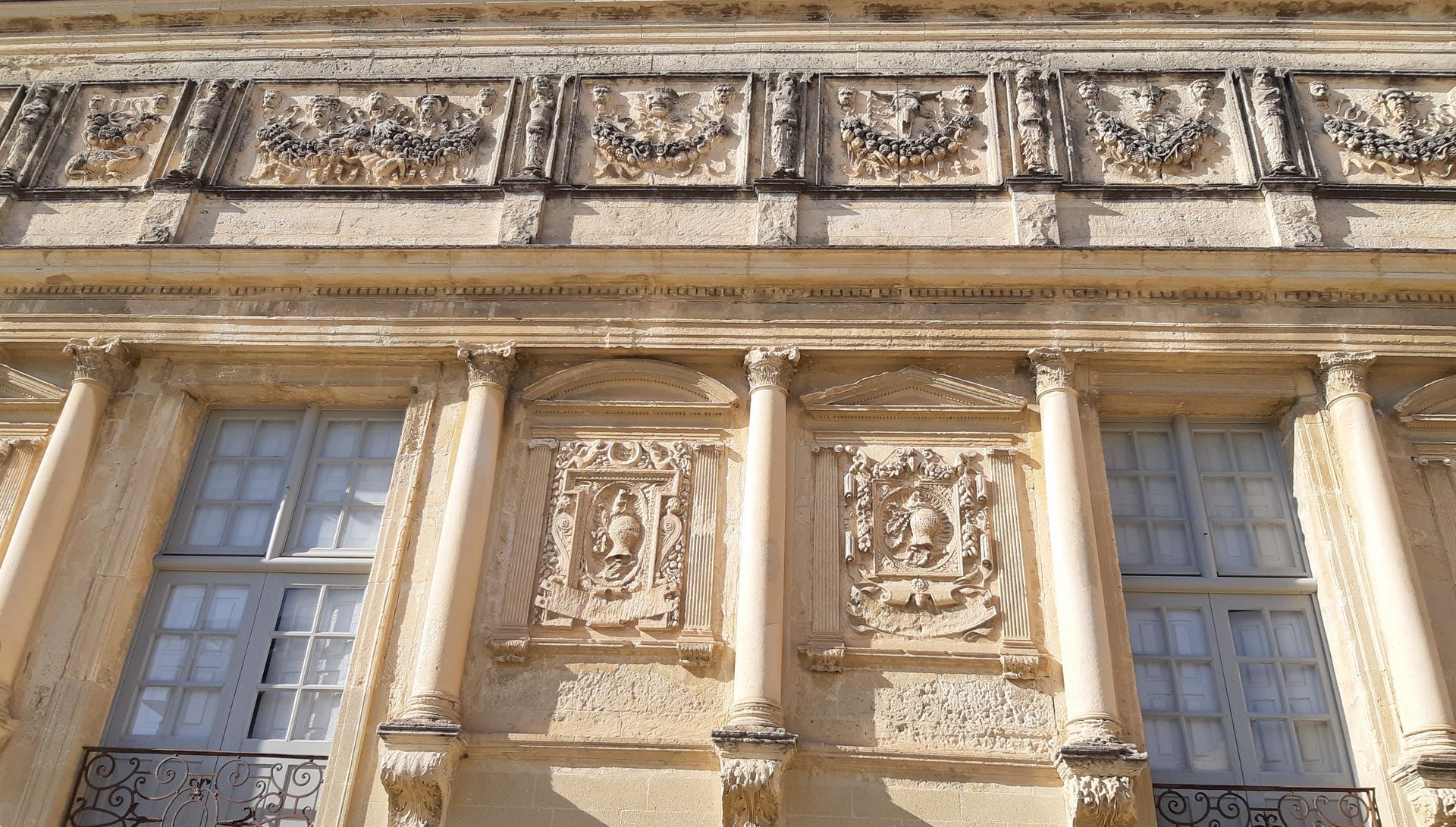
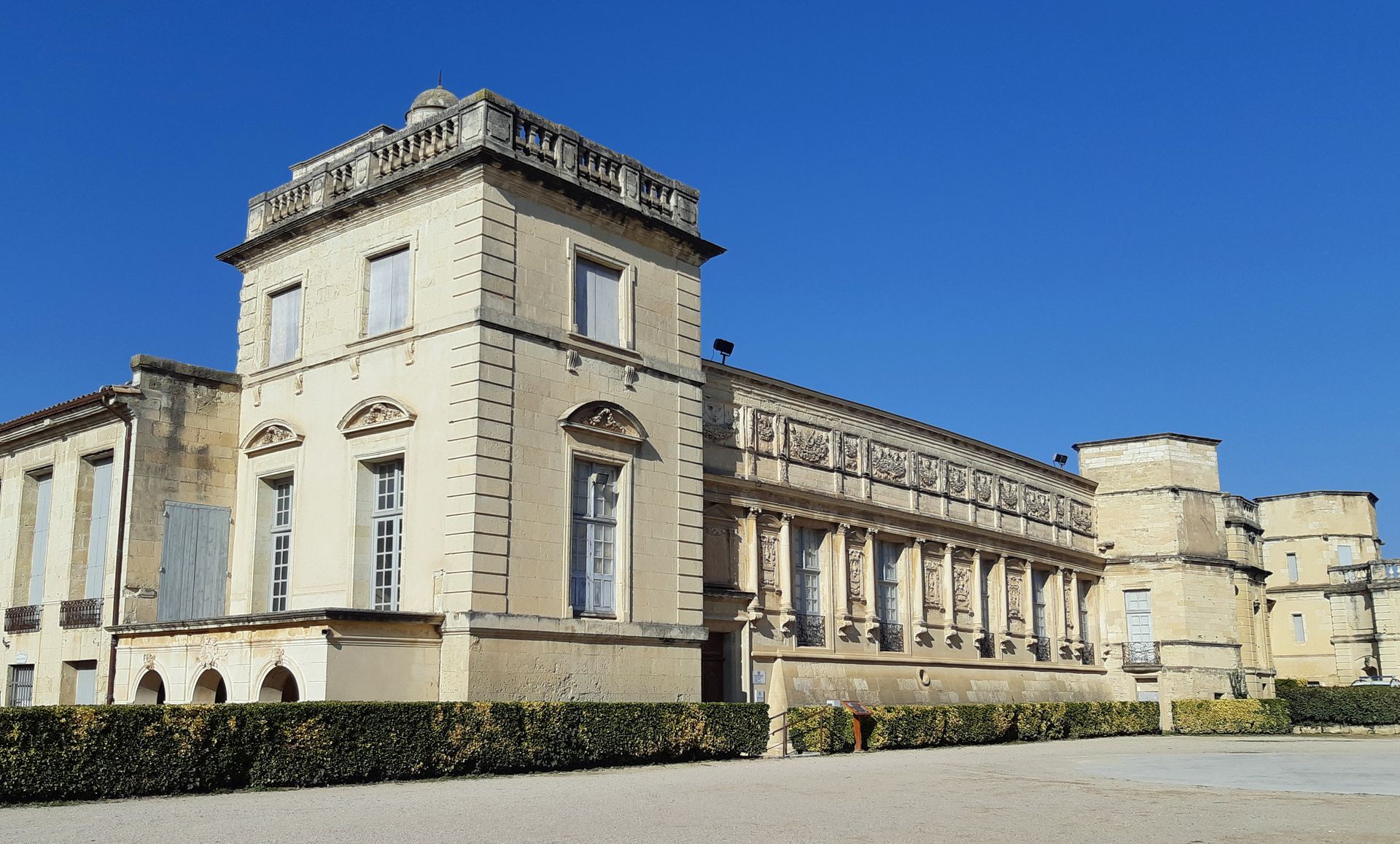
In the center of the village, discover the château of Guillaume de Nogaret, of which only the keep from that era remains. Its facade is a jewel of Renaissance architecture from Lower Languedoc. To discover, in the château courtyard, the Museum of Arts and Popular Traditions, Paul Pastre.
+33 4 67 71 01 37
LUNEL TOURISM OFFICE
Vineyards and Discoveries
Popularne wycieczki w okolicy
-
LA BOUCLE DE REGANHAT HIKE
światłoWędrówka 4,33 km -
OENORANDO® DES COTEAUX DE SAINT-CHRISTOL - FFRANDONNÉE® CERTIFIED
światłoWędrówka 7,74 km -
BOUCLE CYCLO N°28 - THE ROUTE DES MAS AND THE CANAL DE LUNEL
światłoJazda na rowerze 43,6 km -
HIKING ROUTE OF THE CHATEAUX DU MUSCAT DE LUNEL - LABELED FFRANDONNÉE®
światłoWędrówka 7,68 km -
THE FOUR QUARRIES TRAIL HIKE
średniWędrówka 8,73 km -
CYCLE LOOP No. 1 - CASTRIES AND THE LUNEL PLAIN
światłoJazda na rowerze 42,3 km -
PETITE CAMARGUE TOUR - ESPACE VTT-FFC PAYS DE LUNEL
światłoMountainbike 23,9 km -
LA PÈNE GALARGUES - PAYS DE LUNEL MTB-FFC AREA
średniMountainbike 28,9 km -
LES BERGES DU VIDOURLE CIRCUIT - ESPACE VTT FFC PAYS DE LUNEL
światłoMountainbike 8,44 km -
ROUTE TO AMBRUSSUM - MTB-FFC AREA PAYS DE LUNEL
średniMountainbike 26,8 km
Wędrówki i tropienie

Nie przegap ofert i inspiracji na następne wakacje
Twój adres e-mail została dodana do listy mailingowej.