

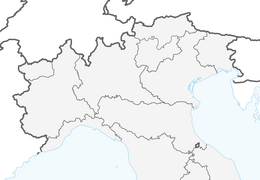

Piemonte without cars | Cannobio-Verbania Stage 3: Pian Cavallone Refuge-Verbania Intra
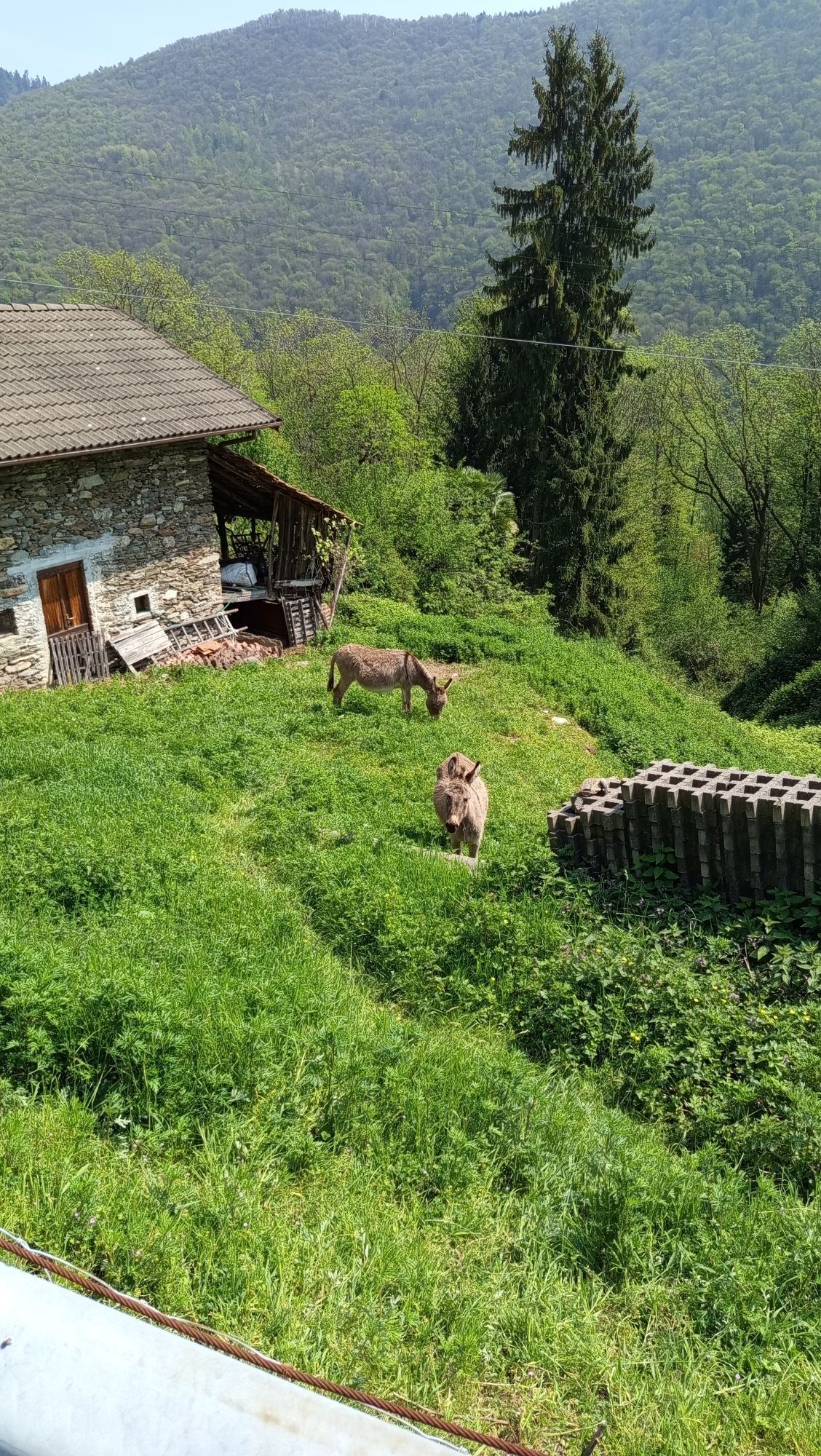
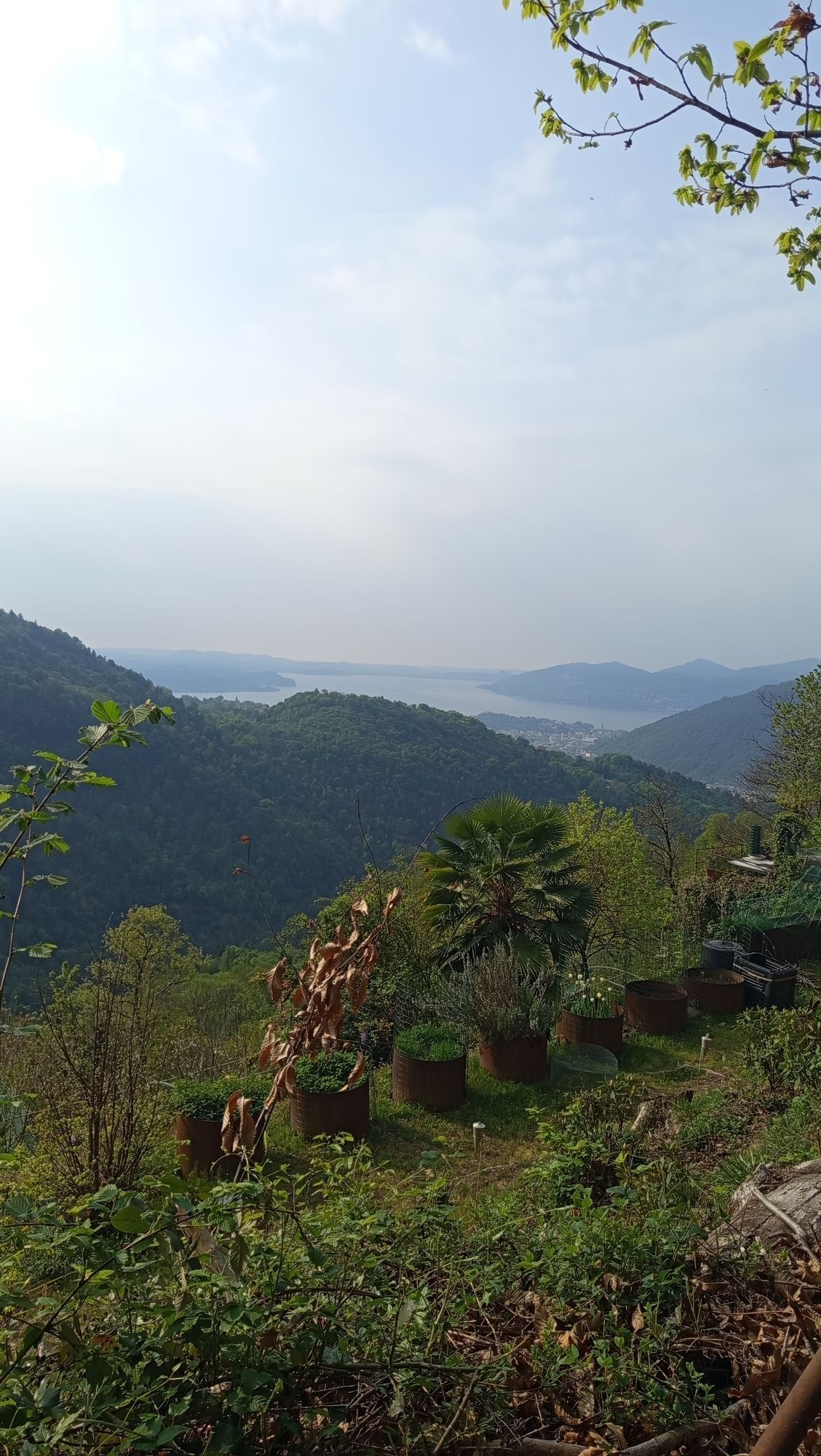
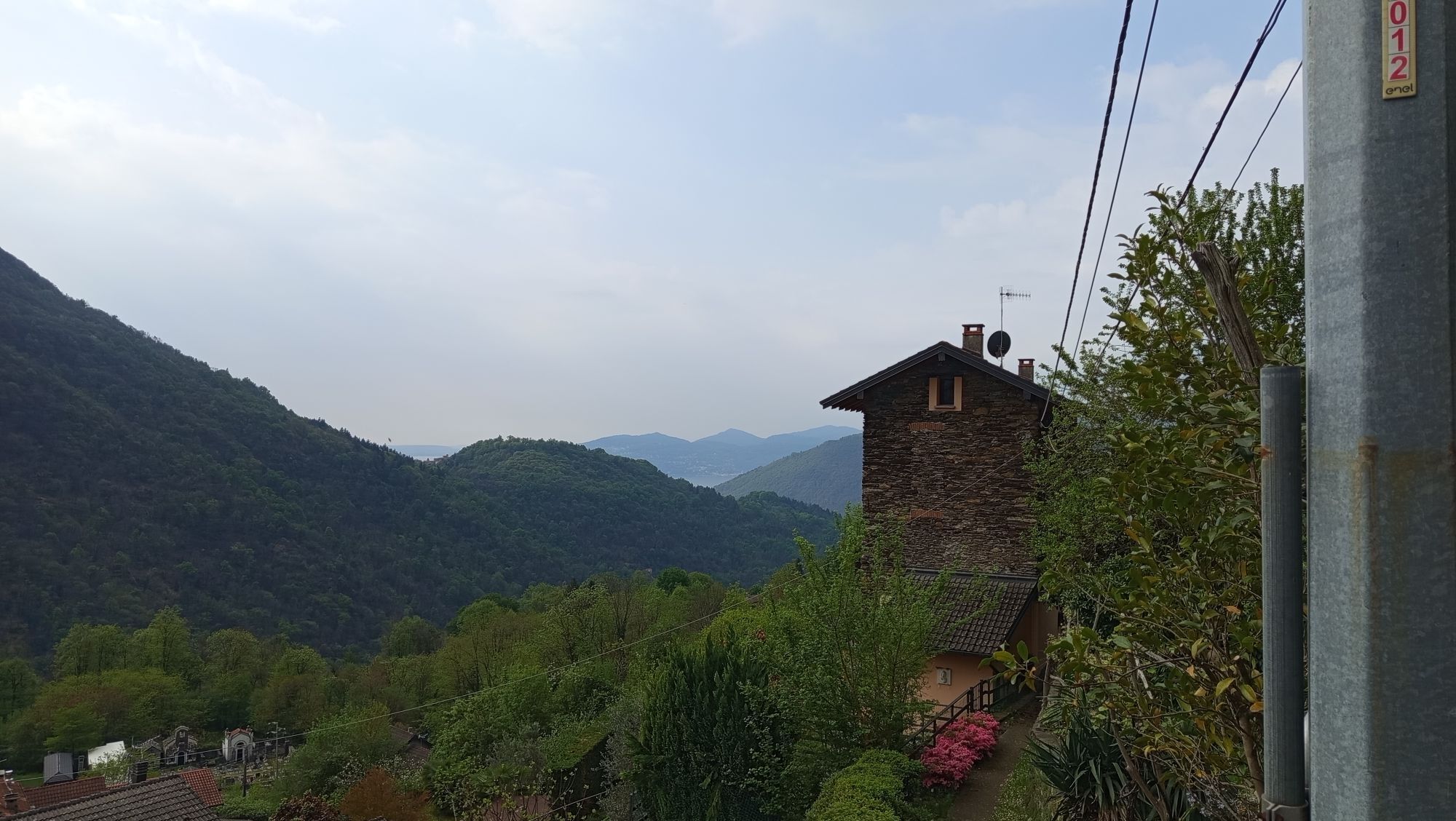
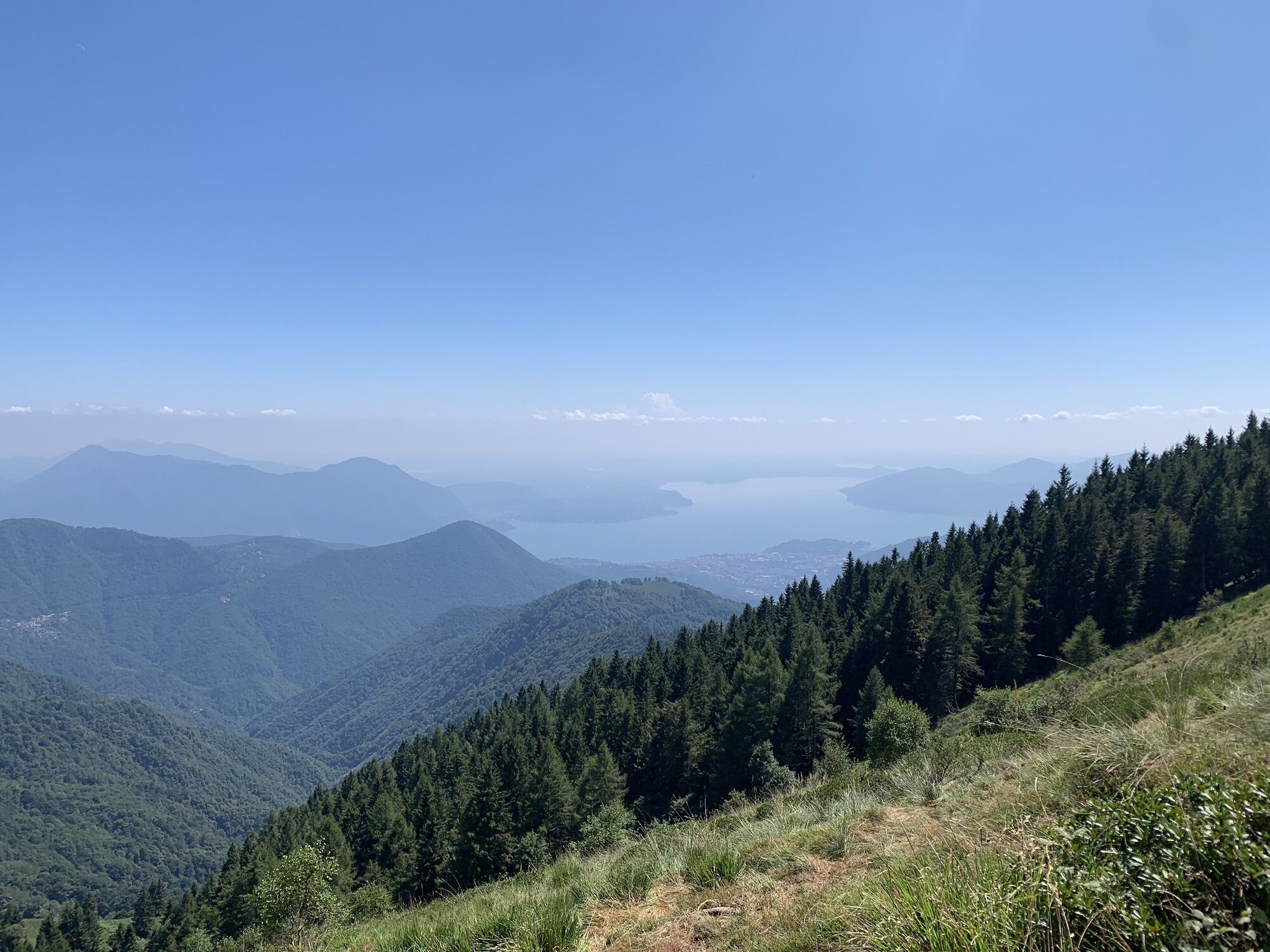
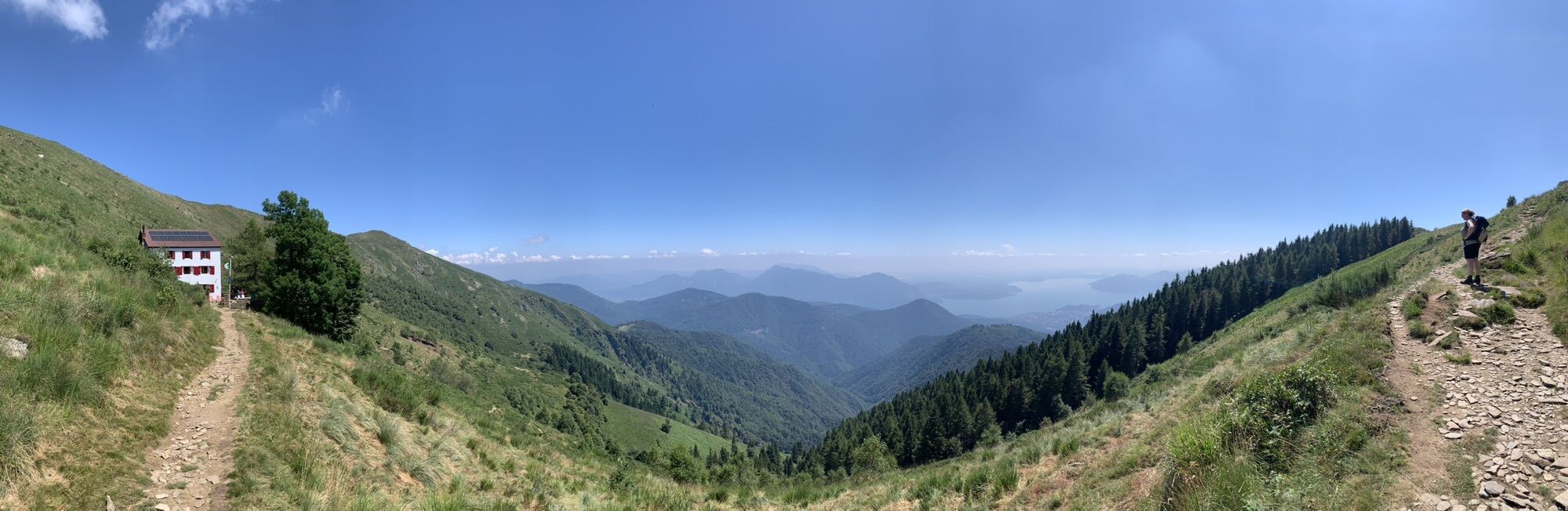
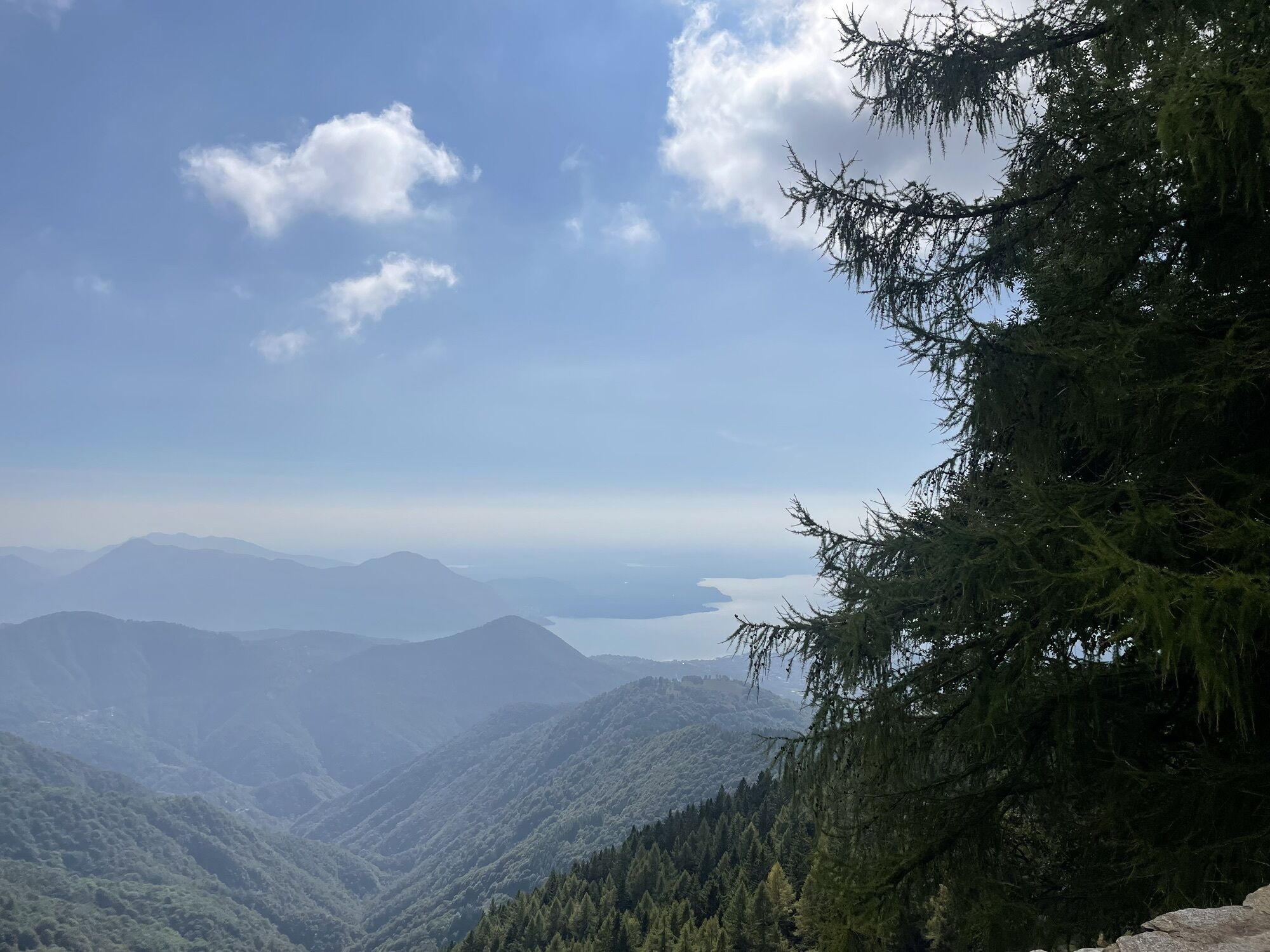
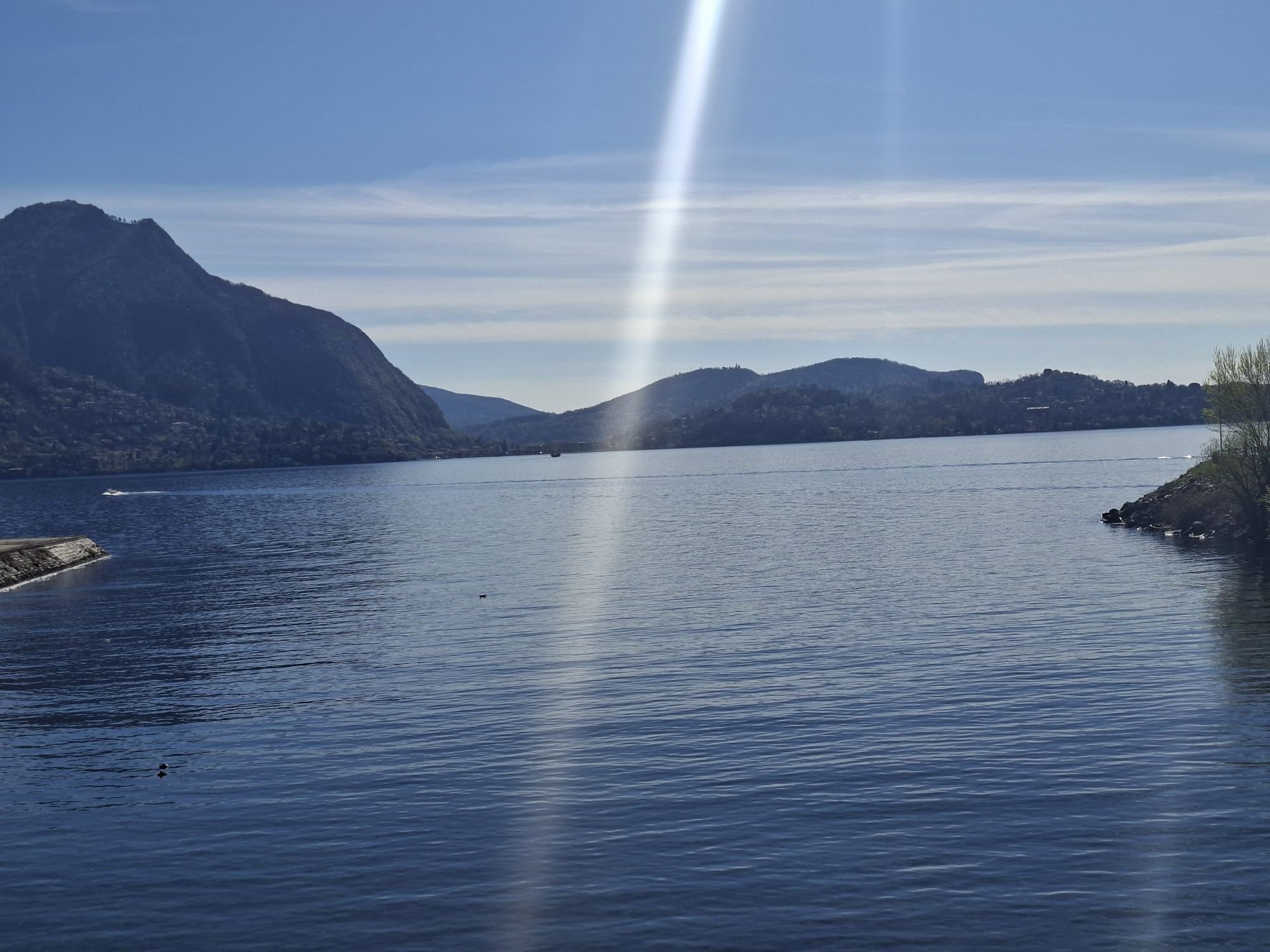
We walk in a southerly direction, descending from the high altitudes to Lake Maggiore, among panoramic views and mountain pastures, always within the magnificent Val Grande National Park.

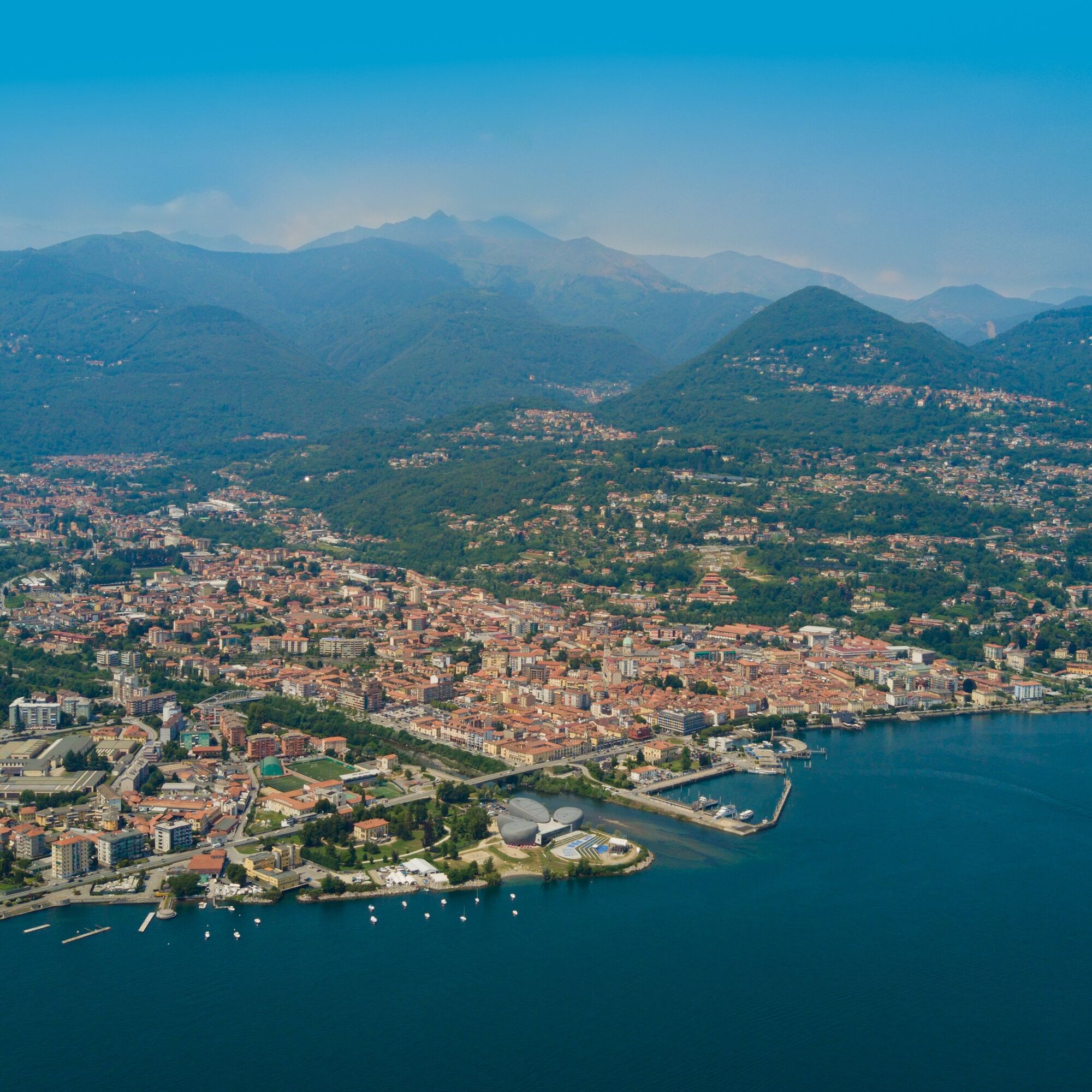

From here the track returns to the asphalt road that you follow until a hairpin bend, where on the left a path allows you to cut two hairpin bends and enter the town of Caprezzo (530 m.), a small municipality entirely included in the National Park. From the church you exit onto the provincial road and a few meters later, on the left, next to the cemetery you take the path on the R00 signpost (Verbania - Intra P.le Flaim - Trobaso - Cambiasca - Caprezzo - Intragna – Aurano) to continue the descent into the Intrasca Valley. Thus you enter Ramello, a hamlet of the Municipality of Cambiasca from Via Maggiore. You exit again on a path in the greenery up to the Tre Cappelle, where you get back on the provincial road and then arrive in Cambiasca, already in the hilly hinterland of Verbania, the largest town and at the bottom of the Intrasca Valley.
Having crossed the town, practically without interruption, from Via Madonna del Carmine and Via Sasso di Pala, following the road that leads to the left of the San Bernardino stream, you pass to Trobaso, formerly a hamlet of Verbania, following Via del Tiro a Segno, Via Battaglione and Via Brigata Valgrande Martire, which leads to the banks of the Port of Intra.
www.trenitalia.com
From Cannobio to Verbania and vice versa: Line 3 VCO TRASPORTI
https://www.vcotrasporti.it/it/orari.php
NAVIGAZIONE LAGO MAGGIORE NLM stopovers both in Verbania Intra and Cannobio
https://www.navigazionelaghi.it/biglietti-e-orari-lago-maggiore/
NOTE:
Consult the local public transport timetables in advance in order to best plan the excursion.
During the winter period - from early November to March/April - the NLM stops of Verbania and Cannobio are not connected by lake
Ramello was founded in 1400 by a group of friars who settled in the valley. Over time, the village developed as a "gateway" for transits from the valley to Intra. It had several mills, artisan workshops, ovens and taverns. In the 18th century its copper mine developed. The church of San Rocco was built after a plague and dates back to the 16th century.
In Cambiasca the Roggia Cobianchi is clearly visible and preserved, fed by the waters of the San Giovanni stream with an upstream intake, at the hydroelectric plant located in the hamlet of Ramello. The ditch is clearly visible from the road that crosses the meadows and connects the capital to the hamlet: it is an easy route, immersed in the nature of the River Park.
Verbania was born in 1939 from the union of the Municipalities of Intra and Pallanza (and 5 other small municipalities). Each of these villages had its own identity at the time. Intra was known for its industrial soul as an important manufacturing center, which earned it the nickname "Manchester of Verbano". The town preserves traces of its medieval origins: a complex of narrow streets, squares and alleys that wind from the lakeside to the Basilica of San Vittore, with origins in the first centuries of the Christian era, remodeled in the Romanesque and Baroque and nineteenth-century periods. There are many baroque and neoclassical buildings.
Pallanza: the historic center is crossed by streets and squares overlooked by numerous period buildings decorated with portals, porticos, capitals and archivolts. Its lakeside is characterized by buildings with colored facades, porticos, flowered balconies, terraces.
The Gardens of Villa Taranto: extending for about 16 hectares, they host an extraordinary variety of plants and flowers from all over the world.
The Landscape Museum: founded in 1909, with its main headquarters in the eighteenth-century Palazzo Viani Dugnani, to celebrate and promote the beauty of the Lake Maggiore area. It houses an art gallery with a collection of paintings from the romantic landscapes of the nineteenth century to the divisionist works of the twentieth century; the Troubetzkoy plaster cast gallery, with the works of the Russian sculptor who lived for a long time on Lake Maggiore; an archaeological section, one dedicated to popular religiosity and various temporary exhibitions.
The Isolino di San Giovanni: it is the smallest of the Borromean Islands, (in front of Stresa on the opposite bank of the Toce fund). Located a few dozen meters from the shore of the Pallanza lakefront, it cannot be visited but the great Maestro Arturo Toscanini chose it as his residence from 1927 to 1952.
Villa Giulia (the Kursaal): a historic residence located in Pallanza, surrounded by an elegant park with English gardens overlooking the lake, built in 1847 at the behest of Bernardino Branca, from Verbania and inventor of Fernet Branca.
The Fondo Toce Special Nature Reserve is a regional protected natural area of ââabout 360 hectares. It belongs to the Ticino Val Grande Verbano Biosphere Reserve and has become part of the World Network of Biosphere Reserves and protects a rare ecosystem of a transitional wetland between land and water with predominantly spontaneous vegetation, consisting of reed beds and the fauna of this particular habitat: dilago fish, amphibians, birds and small mammals.
Popularne wycieczki w okolicy
-
4,0
Cicogna, Strada Sutermeister, Alpe Pogallo, Alpe Pra, Cicogna
średniWędrówka 9,83 km -
4,3
Collegiata di San Vittore - Cannobio - Chiesa di San Gottardo - Trarego Viggiona
średniWędrówka 7,21 km -
4,2
Um den Lago di Mergozzo
Wędrówka 7,93 km -
5,0
Lakeside Maggiore Route
ciężkiDroga rowerowa 162,8 km -
Monte Faiè
średniWędrówka 6,37 km -
4,3
Pian Cavallone
światłoWędrówka 7,55 km -
5,0
Baveno - Monte Camoscio - Monte Crocino - Stresa
ciężkiWędrówka 10,7 km -
2,0
Alpe Quaggione - Monte Massone - Alpe Quaggione
średniWędrówka 15,8 km -
4,0
Cannobio Runde
światłoWędrówka 7,23 km -
5,0
Wanderung mit dem Kindern 👍
Wycieczki górskie 5,61 km
Wędrówki i tropienie

Nie przegap ofert i inspiracji na następne wakacje
Twój adres e-mail została dodana do listy mailingowej.