





Rundweg über Einbecks Wehr-, Wall- und Parkanlagen
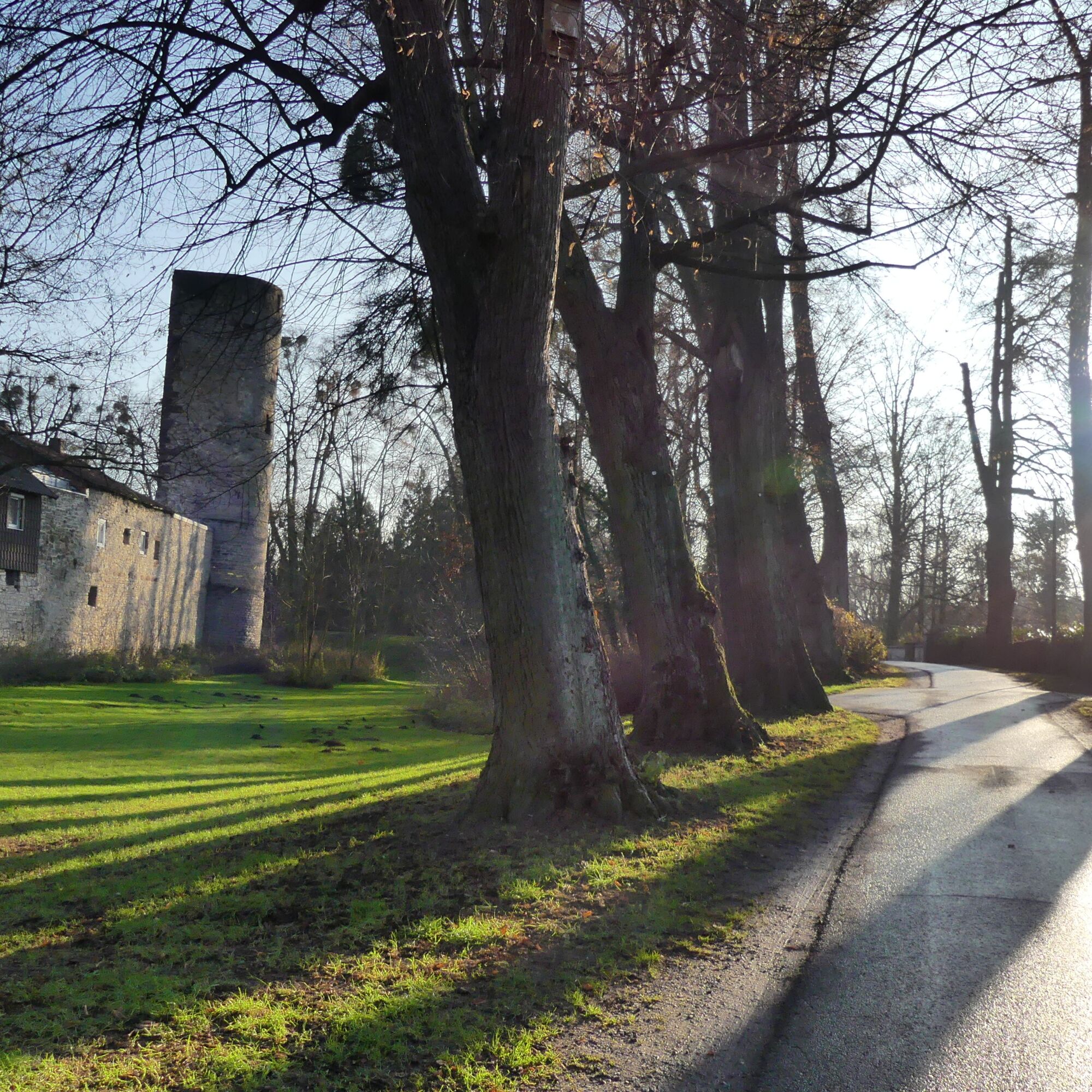
The ramparts, embankments, and parks form a popular 3.2-kilometer loop trail around Einbeck’s historic old town.
The loop trail consists of the following sections of the ramparts: Bäckerwall, Krähengraben,...
The loop trail consists of the following sections of the ramparts: Bäckerwall, Krähengraben, Mühlenwall, Bürgermeisterwall, and Langer Wall. A section of the kilometer-long city wall still stands today along the ramparts, featuring two dozen watchtowers and five city gates. The towers were built at regular intervals of 60 to 70 meters at the bends in the city wall.
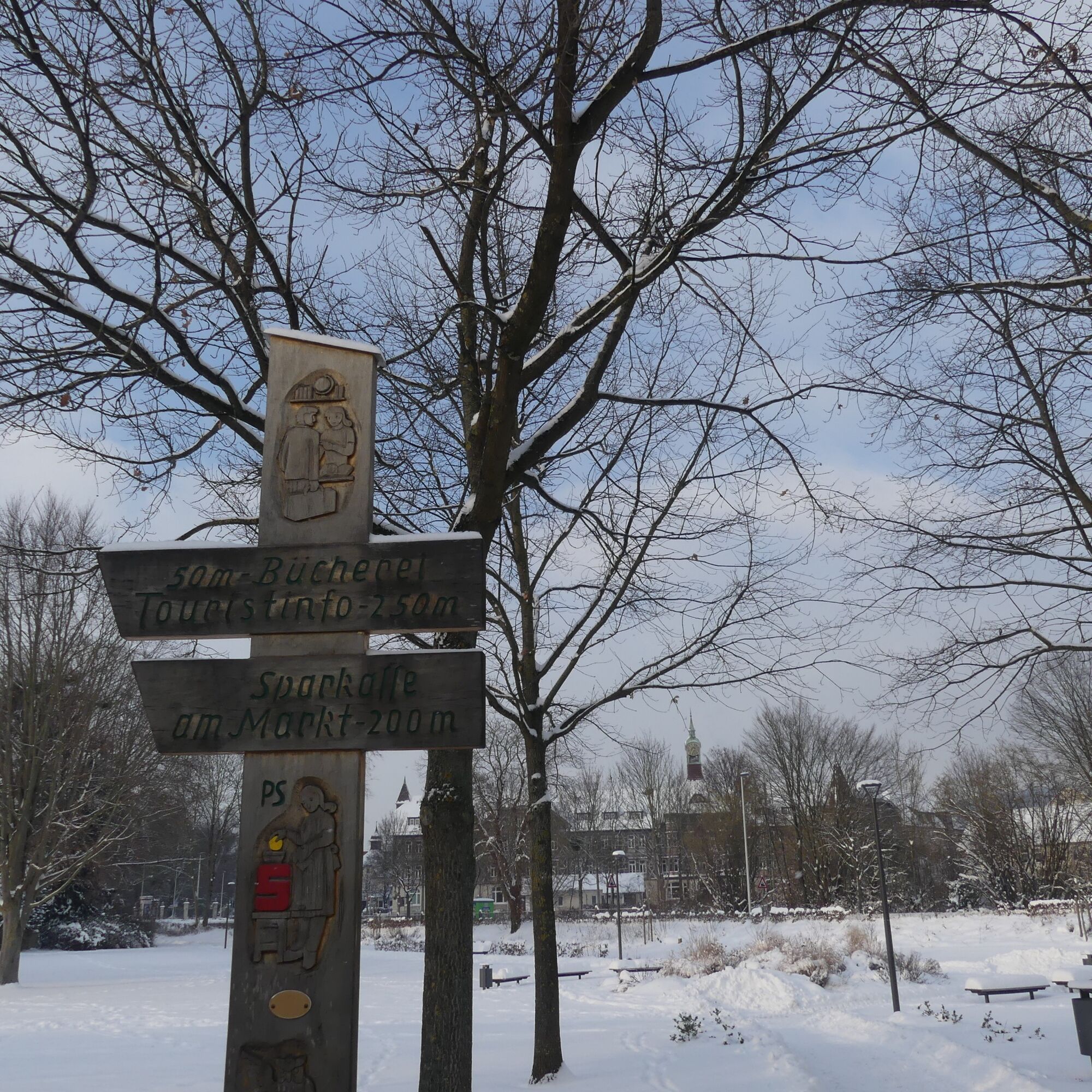
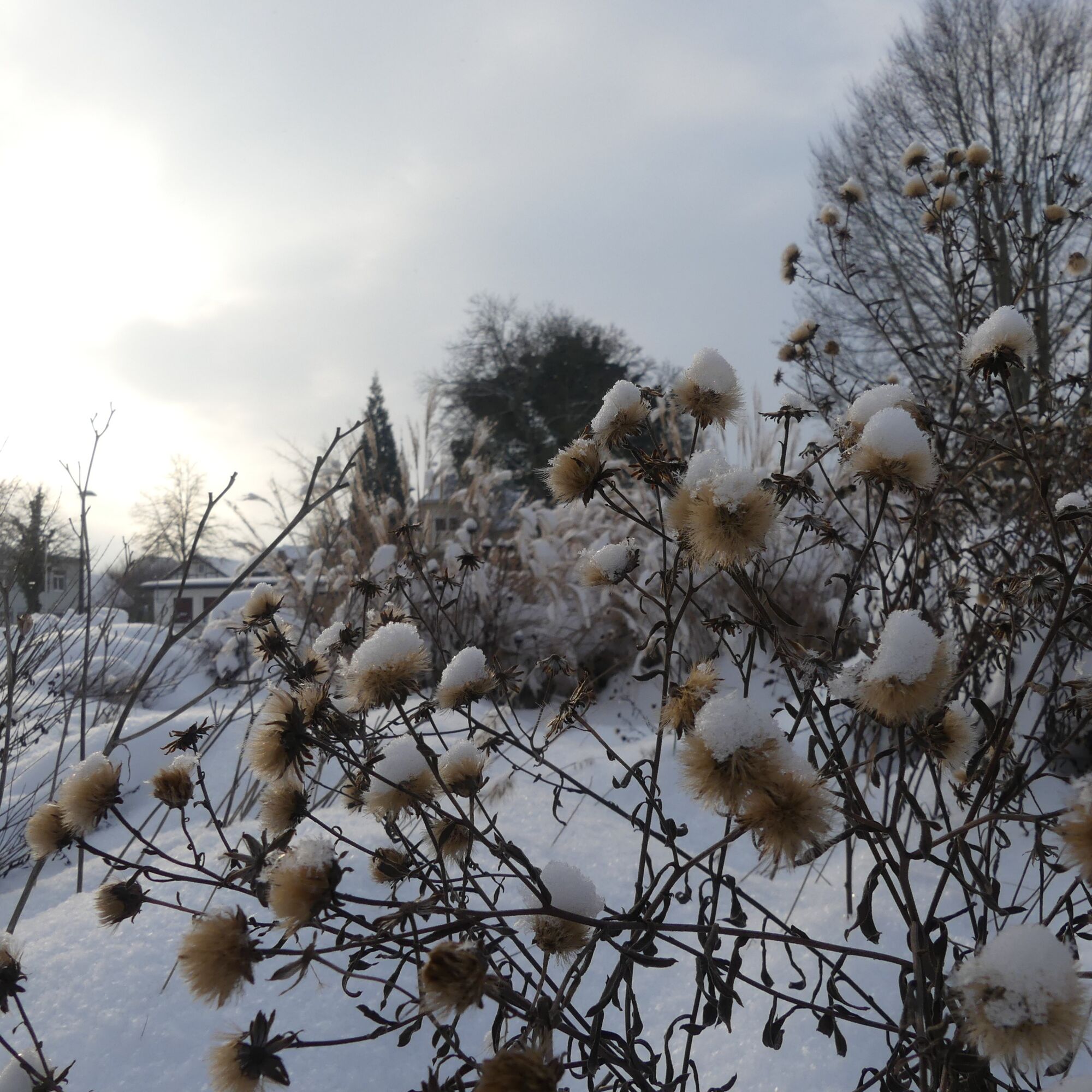
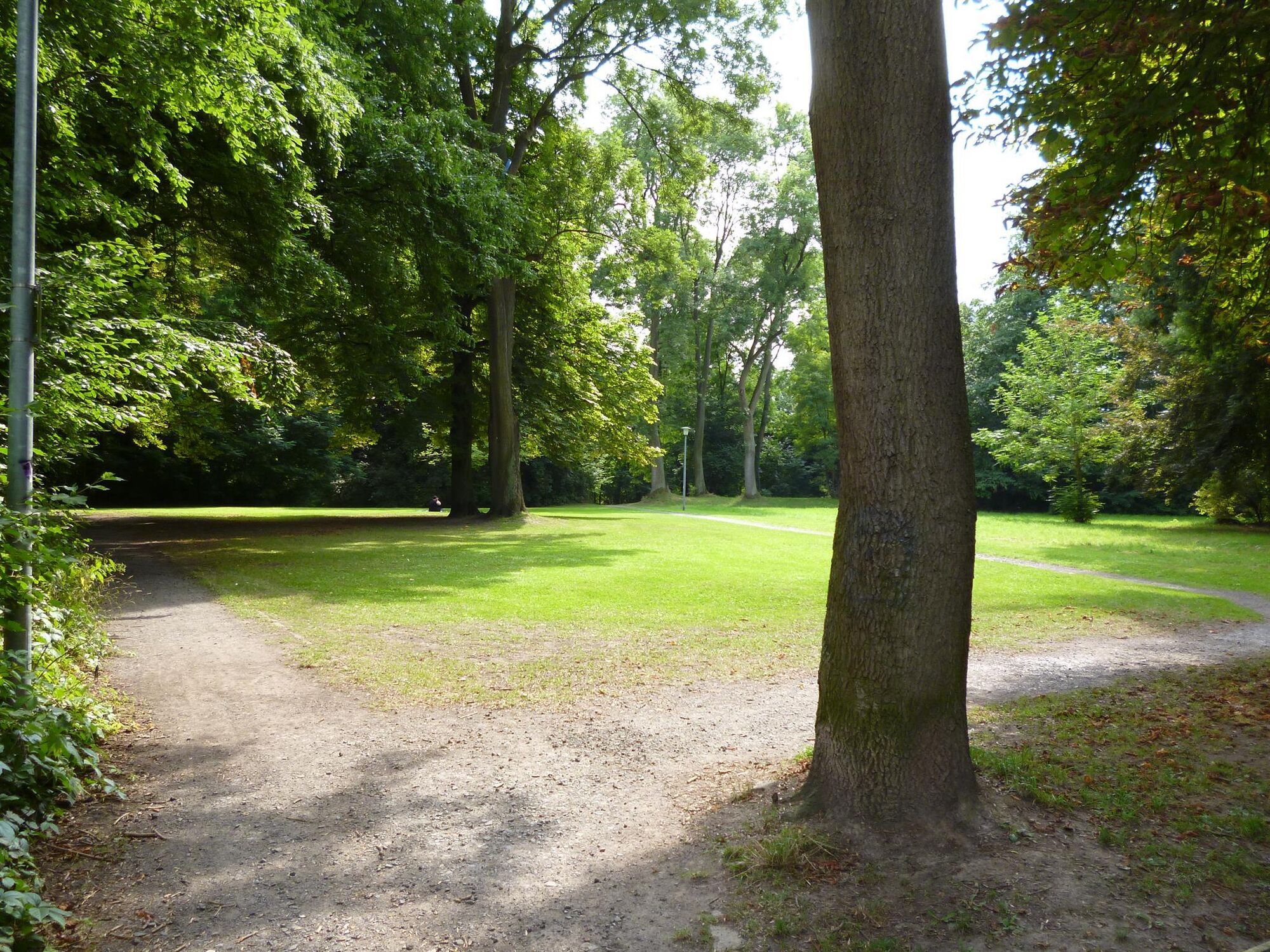
For tourists, visitors, and locals alike, the ramparts along the old city wall are abeautiful destination andoffer plenty of places to rest thanks to numerous seating areas. The ramparts are particularly well-suited for those who want to takea walkand enjoy a bit of nature, away from Einbeck’s half-timbered market square.
Today, the city wall—including its moats and ramparts—is still fully preserved between the former Tiedexer Gate and Hullerser Gate.
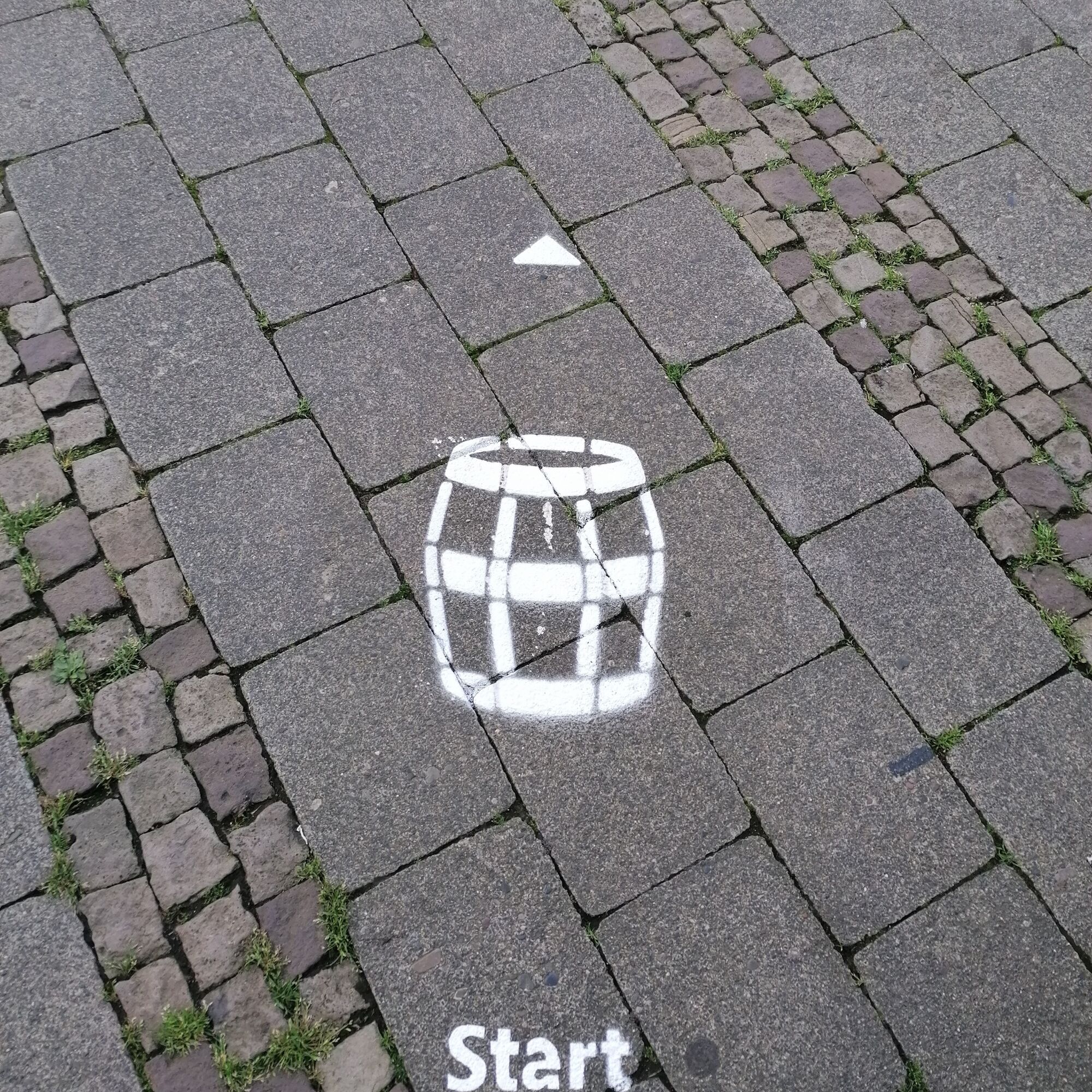
Start of the loop trail: Obere Katze
At the Tiedexer Gate stands the Obere Katze, a former bastion for mortars. From here, turn right (toward the city center) onto Bäckerwall.
Between the Tiedexer Gate and the Hullerser Gate lies the Bäckerwall, featuringa Miningolf course for families and a playground for the little ones.
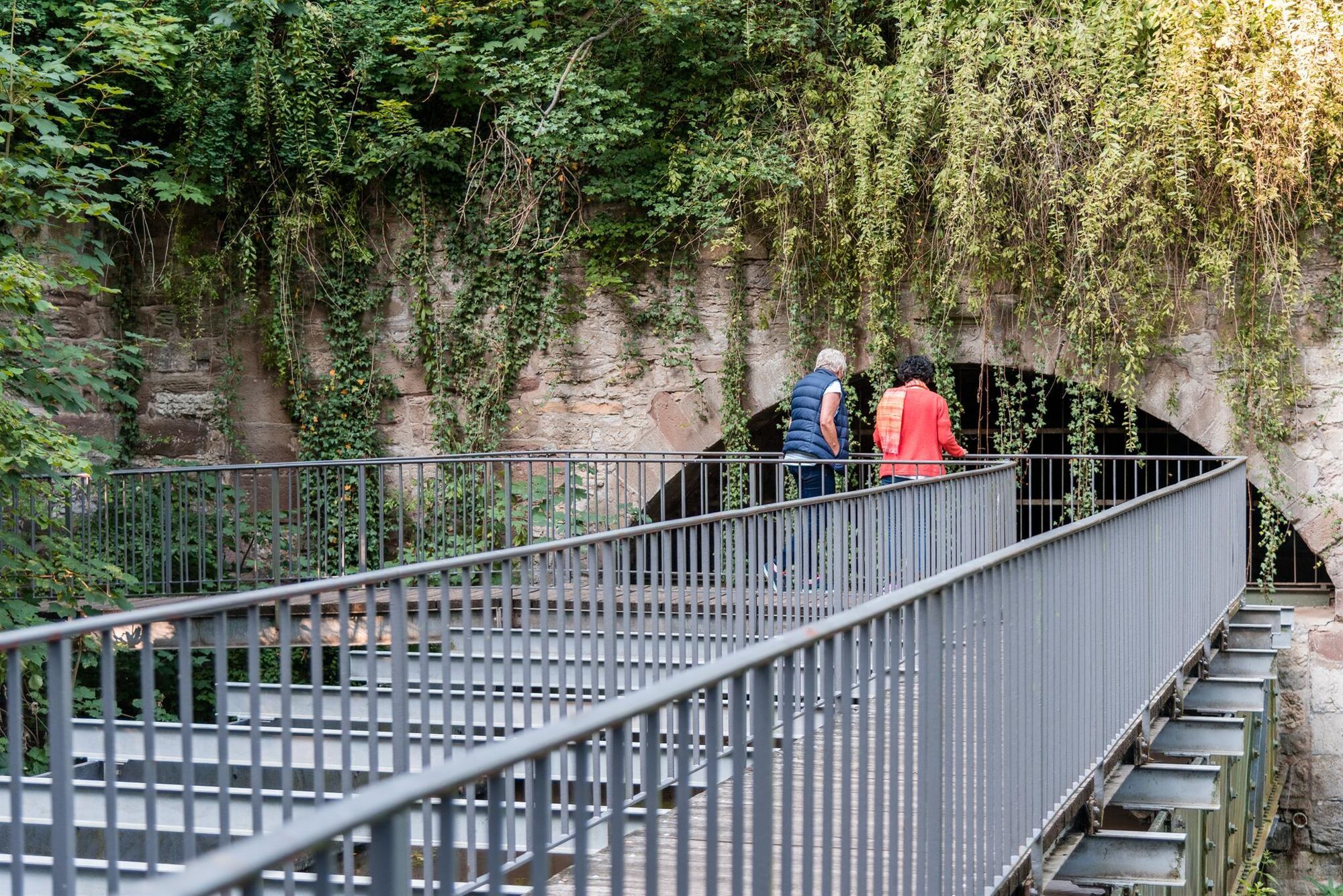
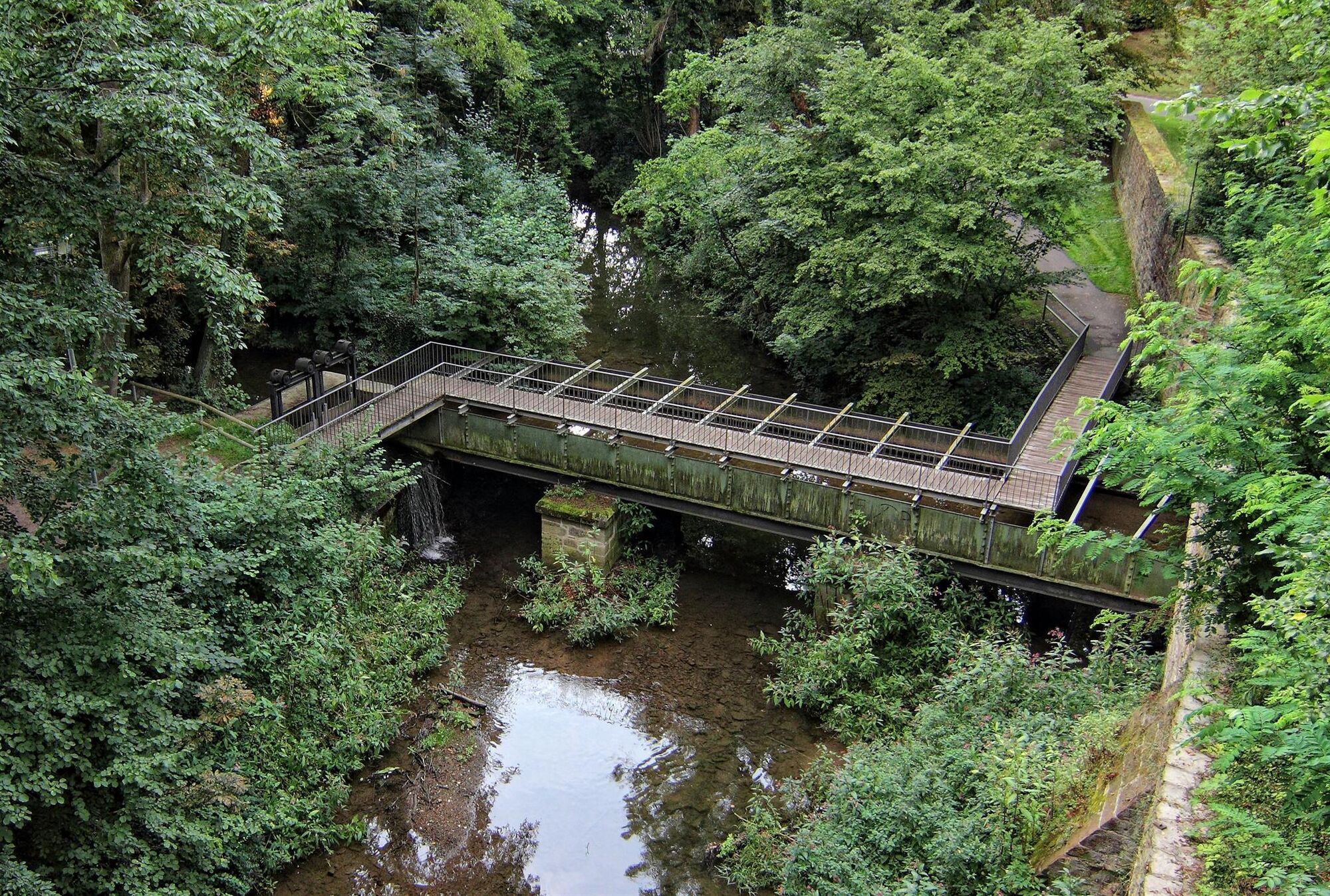
After crossing the crosswalk at the end of Bäckerwall, the Krähengraben begins. Along theKrähengraben, on the left side,you’ll findthe Storchenturm (a semicircular tower in the city wall) and the Bastion am Wall (imposing fortifications). At the end of the Krähengraben, on the right-hand side, you can see the medieval aqueduct. There, the Mühlenkanal is channeled over the Krumme Wasser, with the Diekturm standing next to it. The Diekturm was amassive bulwark that secured the water supply in the Middle Ages. After crossing the aqueduct, you’ll find the Offiziersgarten behind it.
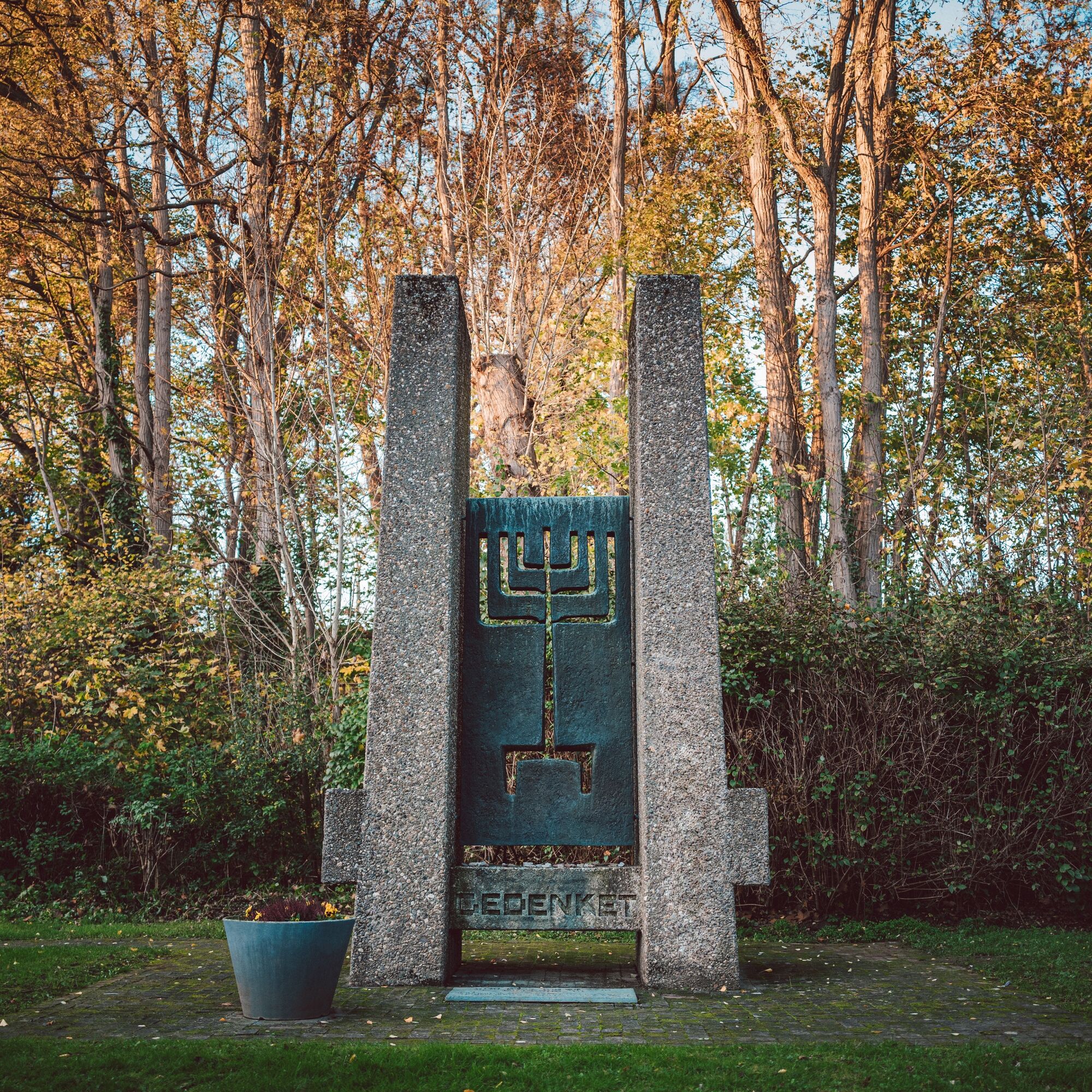
After crossing a small bridge over theIlme andBenser Street, you reach theMühlenwall from the Krähengraben. A few meters further on, on the right-hand side ,isthe memorial to Jewish fellow citizens.A synagogue once stood there, which was burned down during Kristallnacht. A little further on (down a few steps on the right), you’ll find the memorial stone for the former New Synagogue (Bismarckstraße). It commemorates the destruction of the former New Synagogue (November 9, 1938). At the end of Mühlenwall, straight ahead, is Bürgermeisterwall.
A short detour: Ifyou turn left at the end of Mühlenwall onto Altendorfer Straße and then left again onto Sonnenhaken, you’ll see the Pulverturm on your left. The Pulverturm servedas part of the fortifications.
At the beginning of Bürgermeisterwall, you can turn right onto Dr.-Friedrich-Uhde-Str. or take a detour to the left through Stukenbrok Park / Ball-Ricco-Straße.
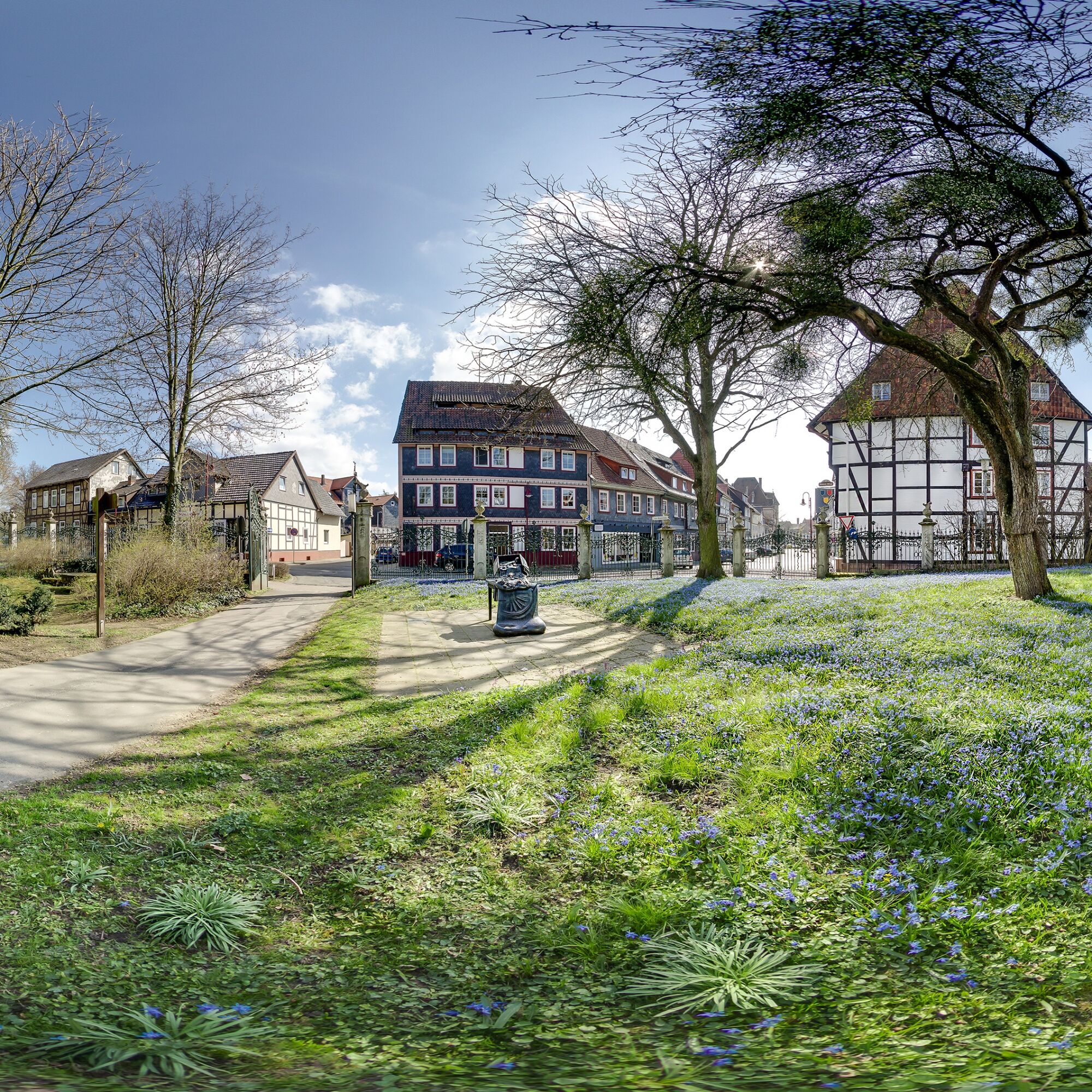
At the end of Bürgermeisterwall, Lange Wall begins. Instead of walking along the outside of the Stiftsgarten, which is located on Lange Wall, it’s recommended to walk through it .
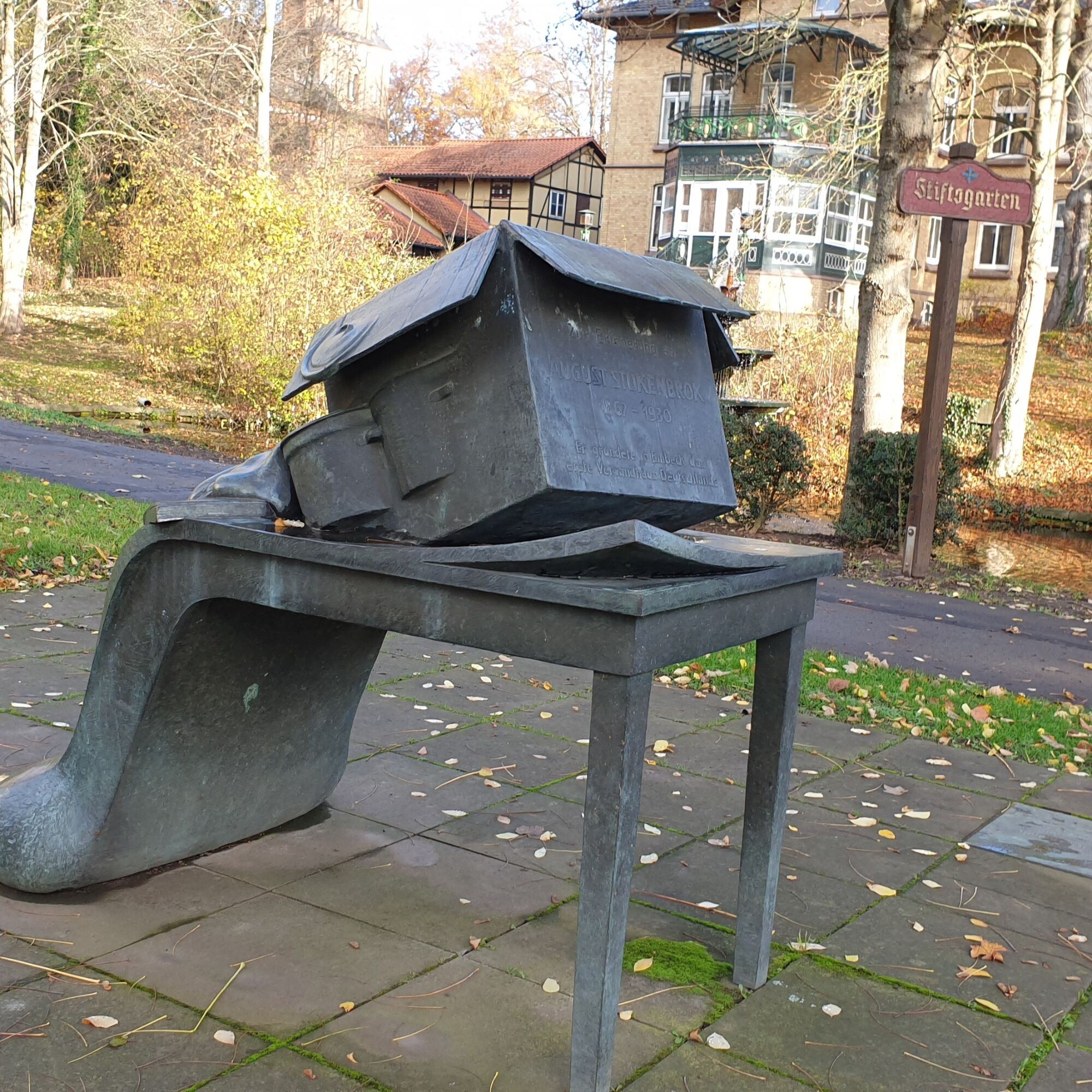
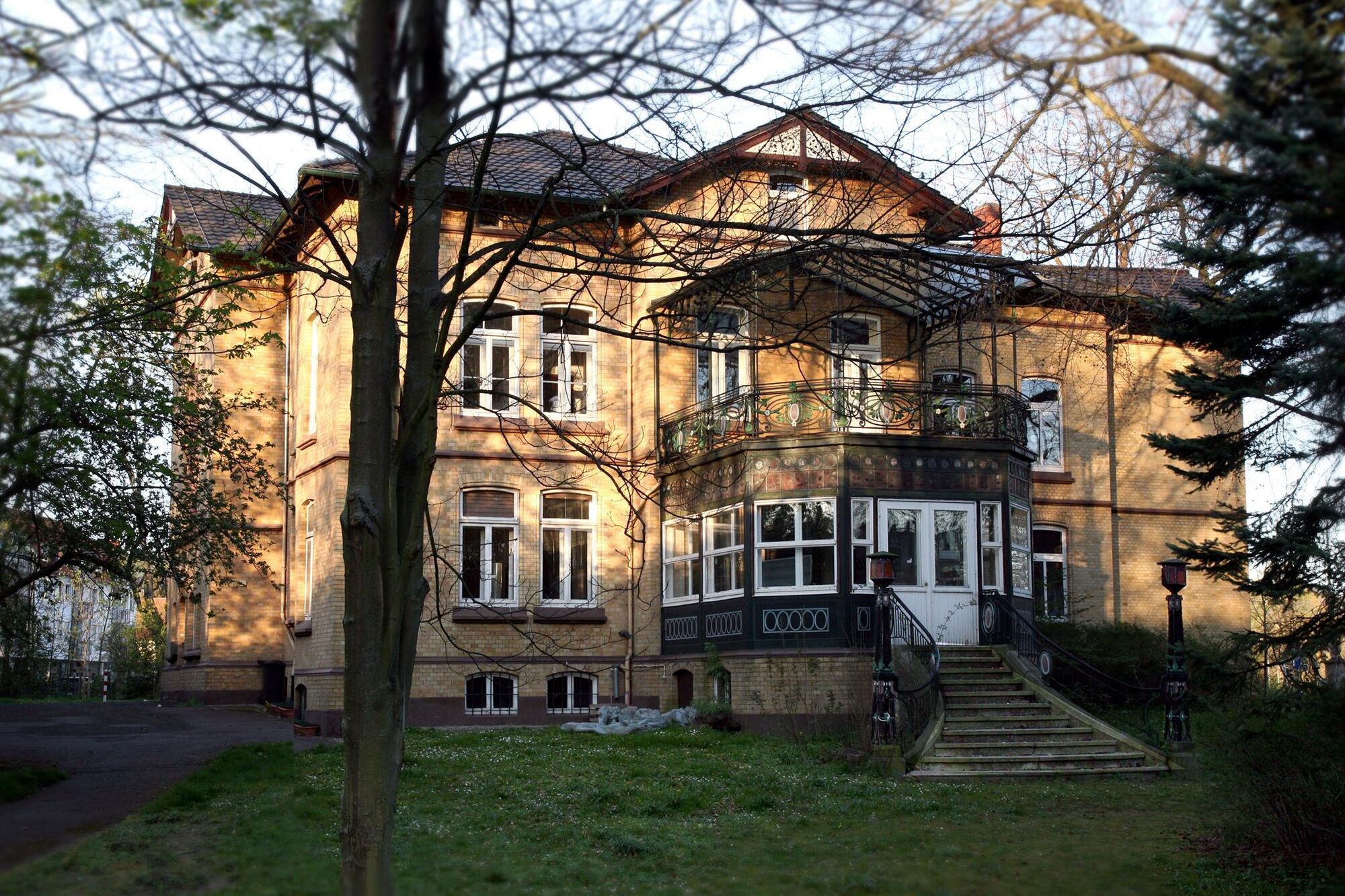
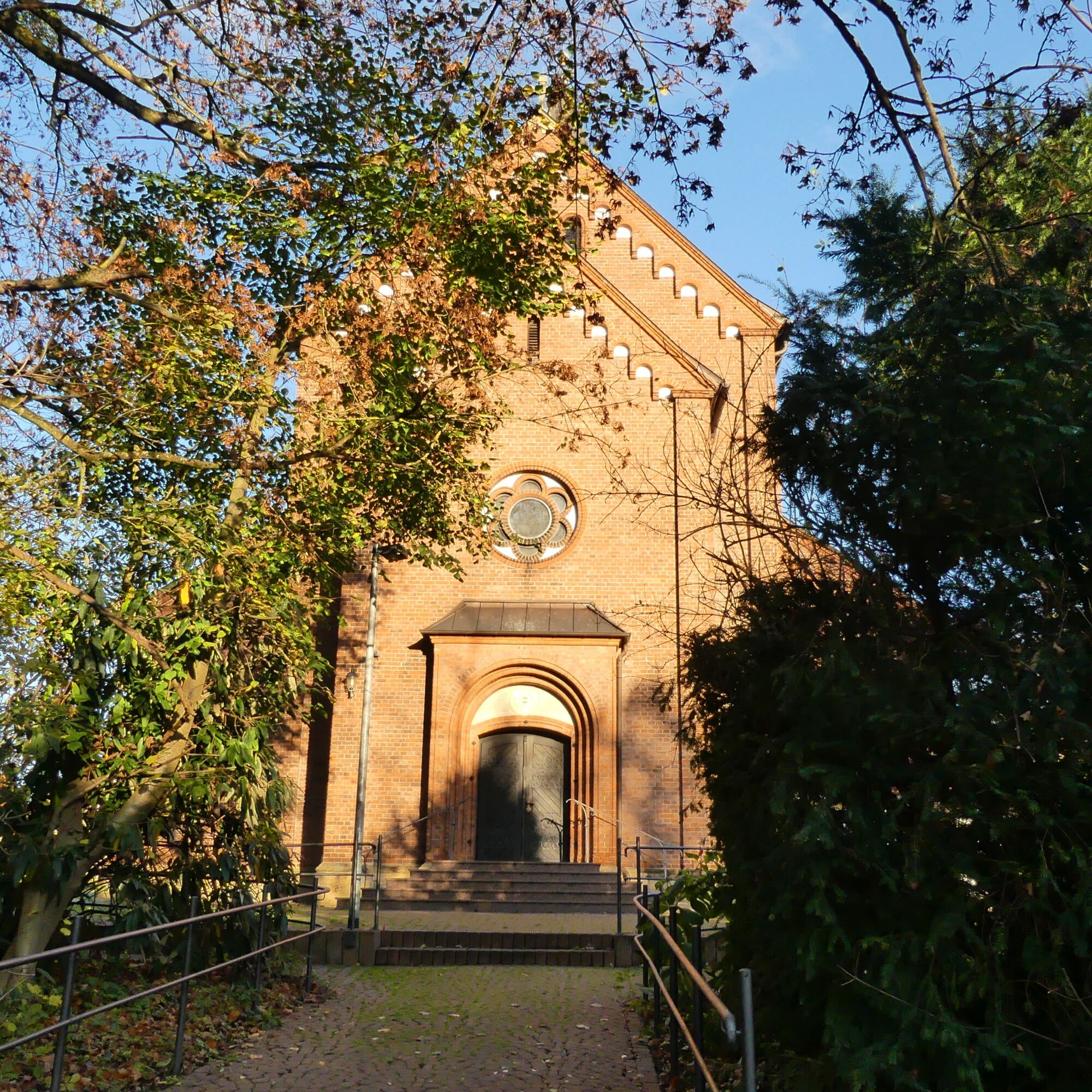
At the beginning, the August Stukenbrok Monument is on the left, and the former August Stukenbrok Villa as well as the Catholic Church of St. Josef (somewhat hidden) are on the right.
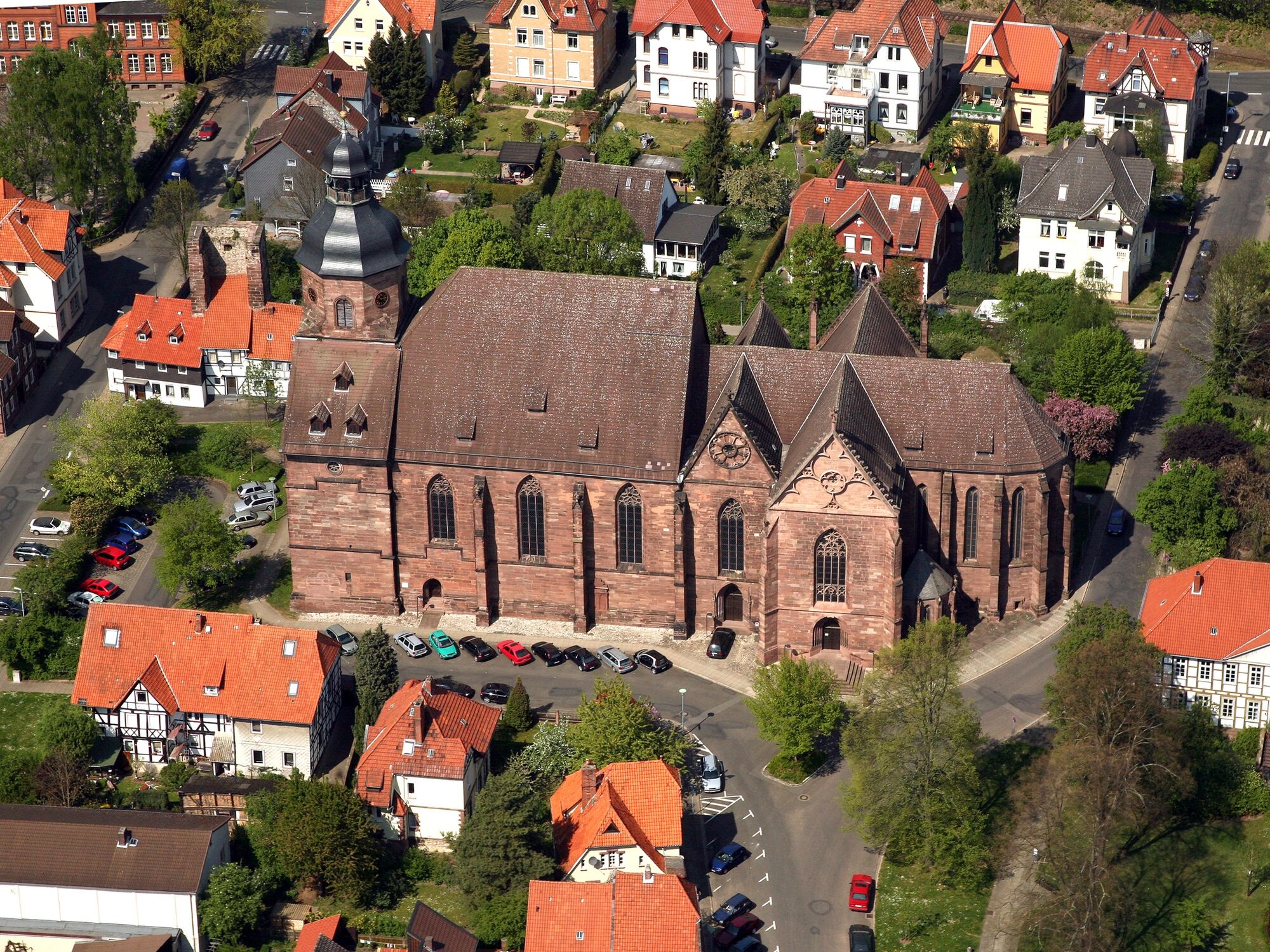
Crossing through the Stiftsgarten, you reach the St. Alexandri Cathedral. North of it stands the Knochenturm (formerly a powder tower that was later used as an ossuary), which today is nothing more than a ruin a few meters high, as well as the Totenturm. The Totenturm gets its name from its location near the former cemetery.
Now head back along the Langer Wall toward the starting point: Tiedexer Tor/Obere Katze.
You can find detailed information about the loop trail and the individual stops below, under “Directions and Further Information”!


1. Obere Katze
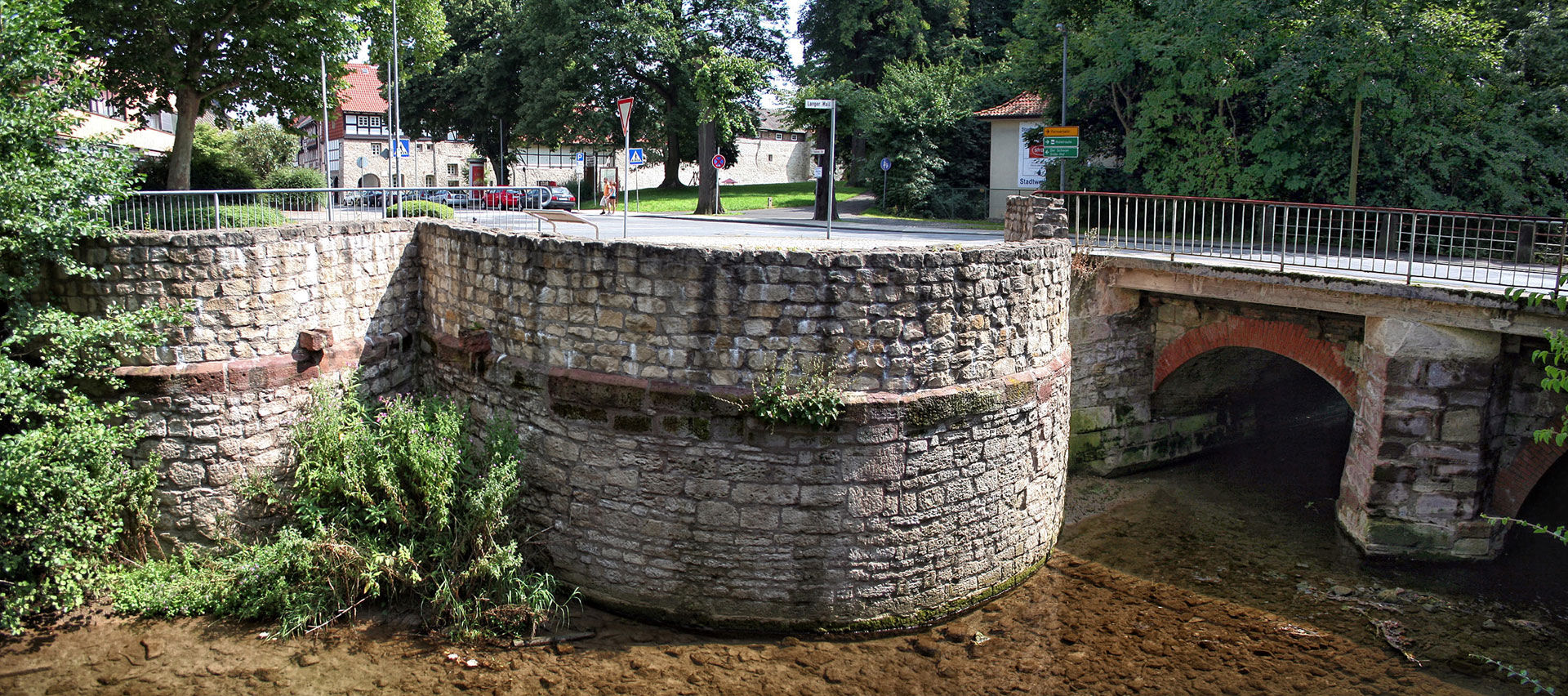
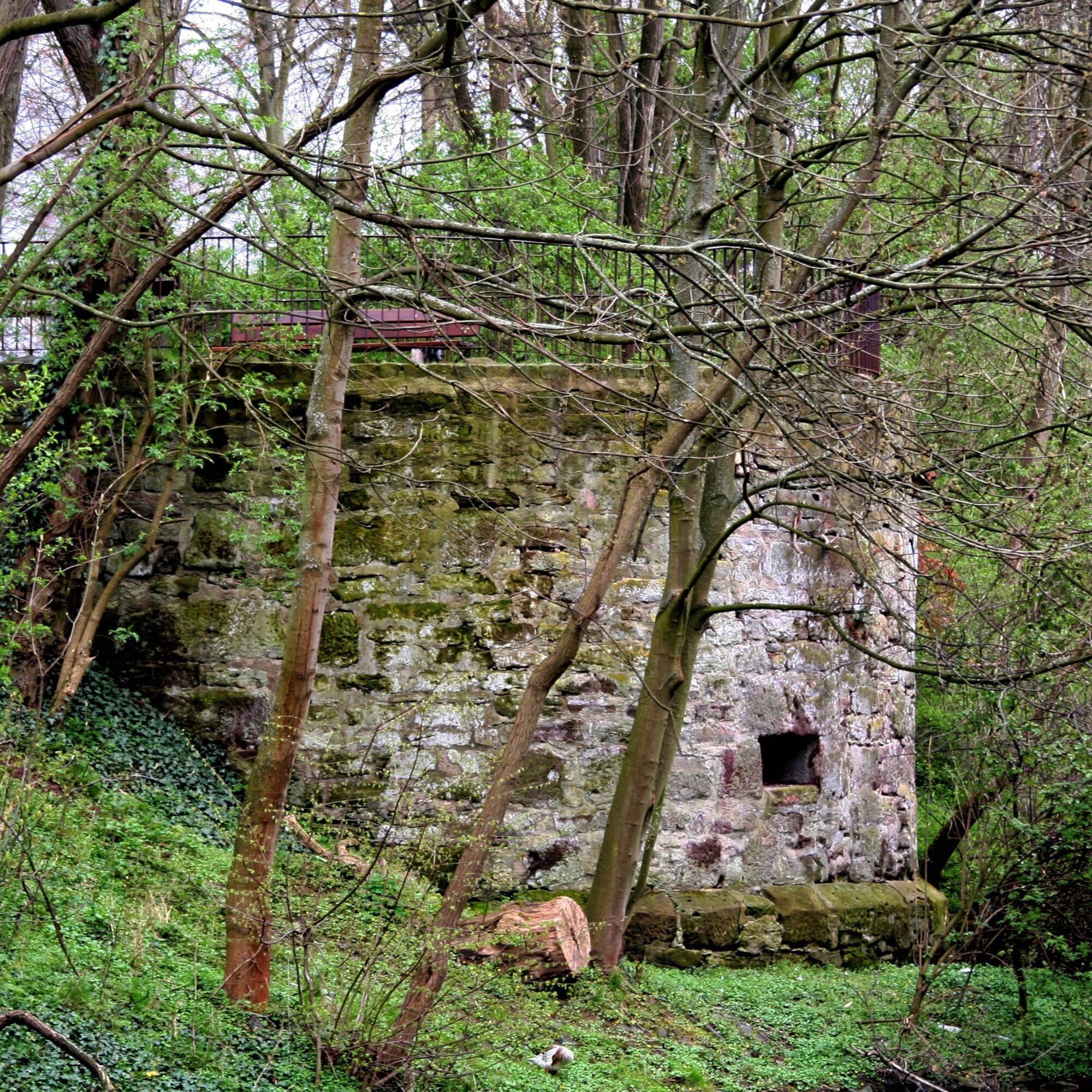
Back in the days of Einbeck’s medieval city fortifications, the Obere Katze served asa bastion for mortar guns. The term “Katze” refers toan elevated section of the fortifications on which artillery was placed. The walls of this mortar emplacement were as high as the outer rampart.
The Tiedexer Gate was one of five fortified city gates in the middle of the city wall, which has existed since the 13th century. There were approximately 25 wall towers for defense. In the 14th century, the inner moat—surrounded by a rampart—was dug behind the city wall.
Consequently, in the 15th century, the Tiedexer Gate was further fortified , reinforced by a mortar emplacement known as the “Obere Katze” (built between 1455 and 1466). This was followed by an outer moat. The “Obere Katze” consisted of three projecting, semicircular sections of wall, of which the middle arch was the largest. It was covered with a slate roof, which was removable and concealed a platform. From here, the city could be defended with a mortar.
Today, onlytwo of these three wall sections remain visible, jutting out into the Krume Wasser.
The Bäckerwall in Einbeck is used today forwalks and other recreational activities. Here, children can play on the playground or the soccer field, and families or friends can play mini-golf on the course for a fee, putting their ball-handling skills to the test.
There are two ponds on the Bäckerwall, which are remnants of the outer city moats in front of the rampart that protected Einbeck from enemy attacks until the 18th century. The ponds are now part of the park.Ducks can be seen on the ponds.
3. Storchenturm
The tower got its name from a pair of storks that nested there over 150 years ago.
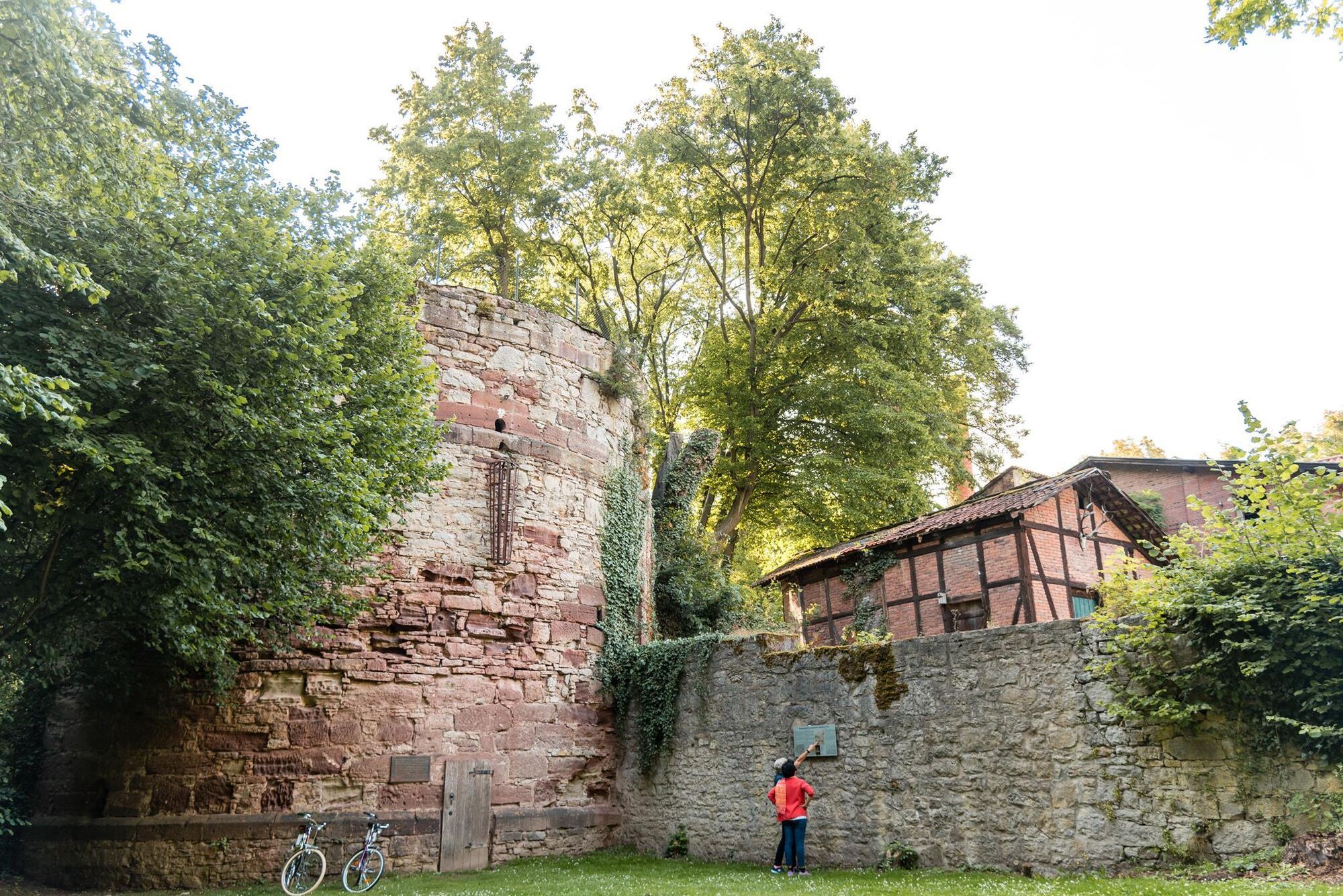
TheStorchenturm is a semicircular shell tower within Einbeck’s former medieval city fortifications. It still stands at its full height in the southwest part of Einbeck and faces toward the city center.The Storchenturmacquired its name overtime, having previously been called the Piccolomini Tower andthe Kreienturm (Crow Tower). Back then, the guards used the large tower window as a toilet.
4. Krähengraben
TheKrähengraben, located between Benser Straße and Hullerser Straße, originated as part of the medieval city fortifications. Within the Krähengraben ramparts, there is still an old bastion that can be seen from the outside.
A small playground anda pond makethe Krähengraben alovely destination for a nature outing. Numerousbenches invite visitors to linger.
5. Bastion on the Rampart
The bastions of the old city wall were crucial to the defense of Einbeck.
The massive bastions, which still protrude from the rampart today, reinforced strategically important points in the city back then. One such bastion can be seen between the medieval aqueduct and the Storchenturm on theKrähengraben in Einbeck.6. Officers’ Garden
The Officers’ Garden is locateda few meters south of the Diekturm and the historic water tower in Einbeck.
The park can be accessed from Reinserturmweg via a small bridge that crosses the Krumme Wasser, or from the direction of the historic water tower (coming from Krähengraben).
The Officers’ Garden is particularly picturesque in the fall with its colorful foliage. In winter, the garden enchantsvisitors with its snow-covered grounds and, at times, icicles hanging from trees or bridges. In the spring, crocuses sprout from the ground, and in the summer, you can take a stroll through the Officers’ Garden and enjoy the sunshine.
7. Diekturm
The Diekturm is part of the city walls and served to protect the town of Einbeck in the Middle Ages.
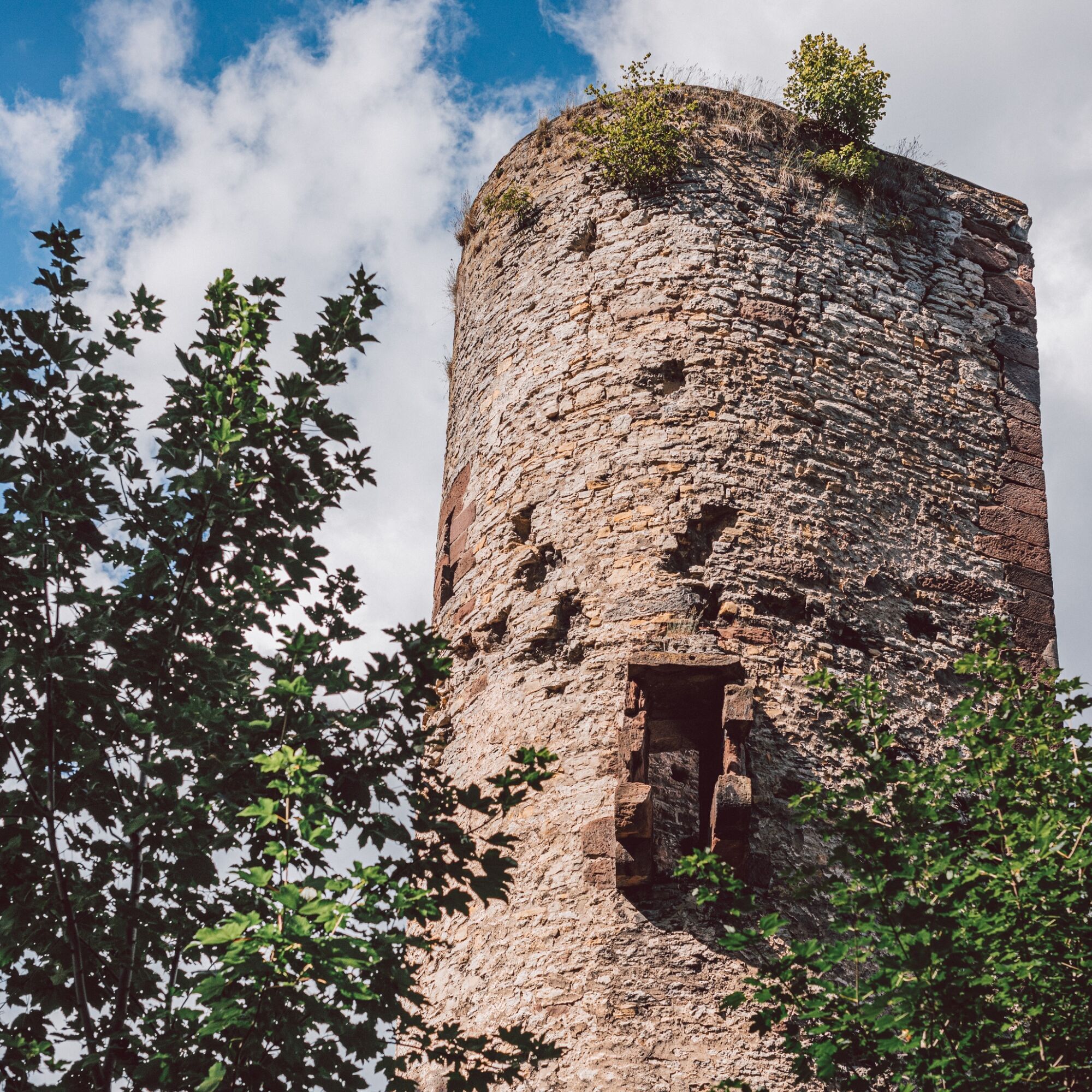
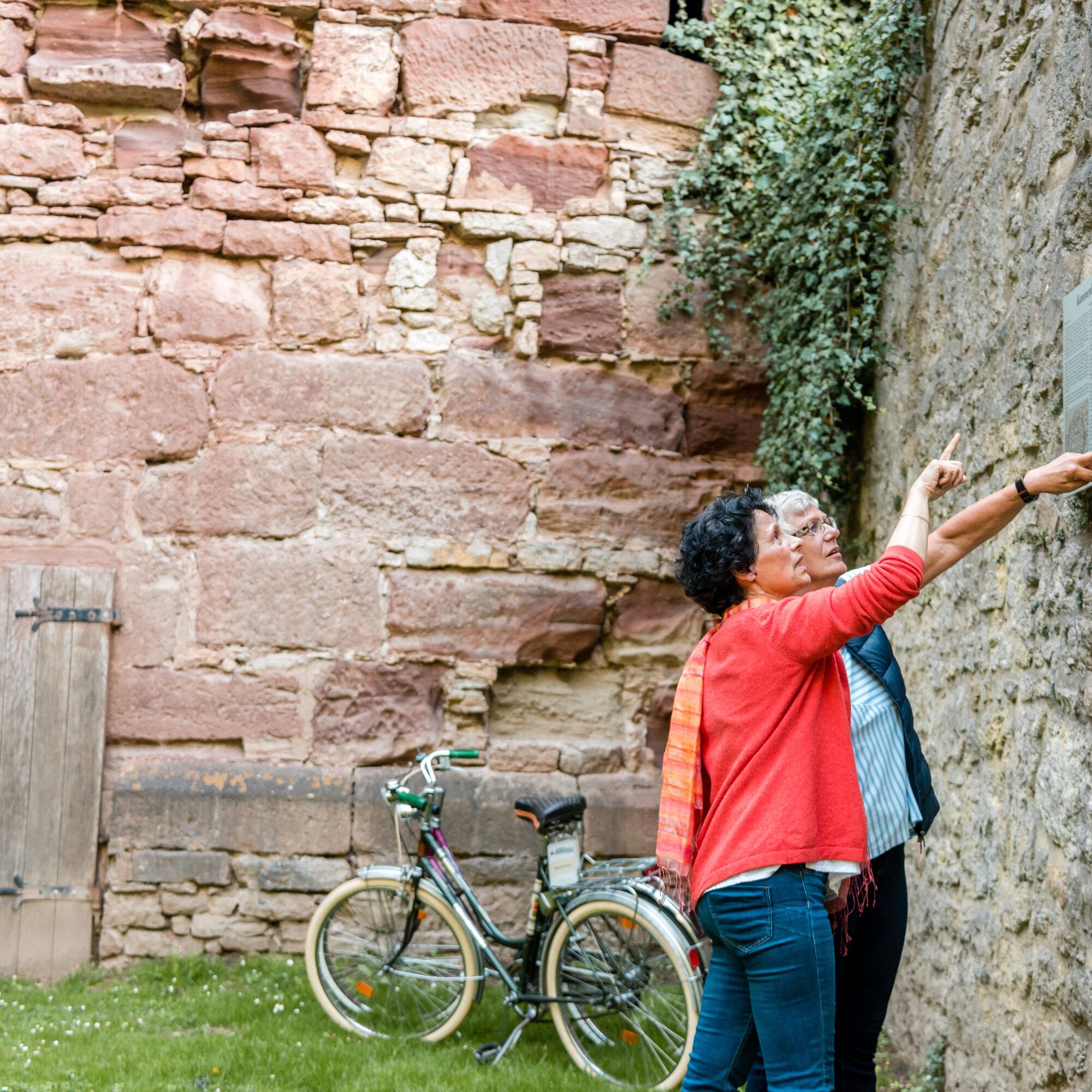
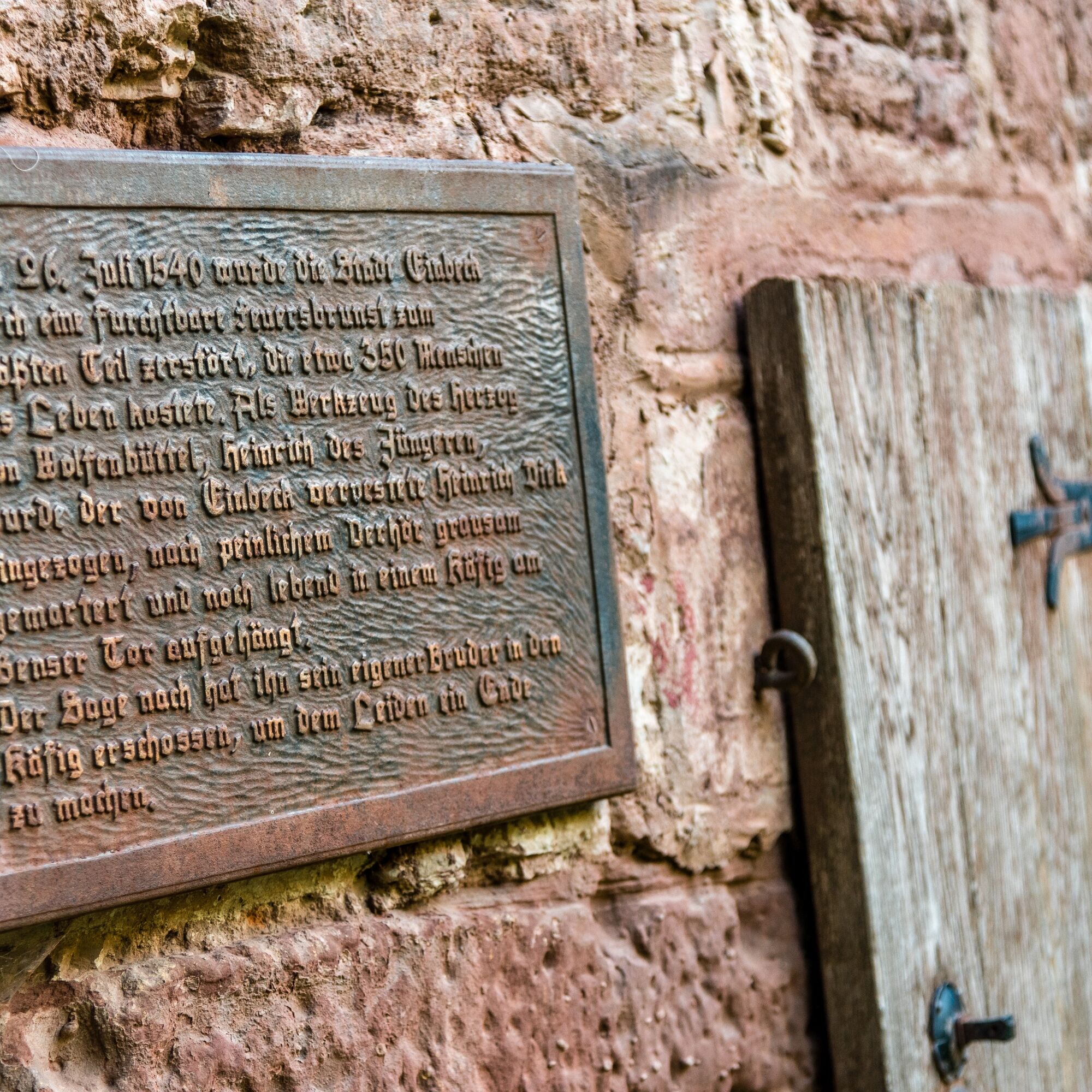
The well-preserved Diekturm, dating from the late 15th century, was built toreinforce Einbeck’s fortifications in the Middle Ages and stands in the southern part of the city. This massive round tower was named after Heinrich Diek, the son of a patrician from Einbeck. Diek is said to have caused the great fire in Einbeck in 1540 and was executed for it.In earlier times, the tower had a pointed conical roof. This roof has disappeared over the years. In the second half of the 18th century, a bathhouse was built in front of the tower.
Anyone interested in learning more about Einbeck’s history and the Diek Tower can check out the guided tour program offered by the Einbeck Tourist Information Office. Among the options is, for example, the“Light Beer & Dark Shadows” tour, during which guests climb the Diekturm and explore the town of Einbeck by nightlight, guided by a tour guide.
8. Mühlenwall
The Mühlenwall is a remnant of Einbeck’s medieval city fortifications and, together with the other ramparts, forms a green ring around Einbeck’s city center. The Mühlenwall is located between the Krähengraben and the Bürgermeisterwall. On the Mühlenwall stands the memorial stone commemorating the destruction of the synagogue, a monument honoring the Jewish citizens (November 9, 1938).
9. Memorial Stone for the Former New Synagogue
The memorial commemorates the destruction (November 9, 1938) of the former New Synagogue.
Unveiled in 1969, the memorial islocated below Mühlenwall on Bismarckstraße, across from the site of the former New Synagogue, whichno longer stands today because it was destroyedduring Kristallnacht in 1938.The bronze plaque depicts a menorah. A bronze plate set into the ground bears the inscription: “Are we not all children of one Father? Did not one God create us?”
10. Pulverturm
The Pulverturm at Sonnenhaken in Einbeck was built in the early 15th century andwas part of the city’s outer fortificationsat that time . So-calledpowder towers, which were built in Einbeck in the 15th century, were accessible only from the city wall at that time.
11. Bürgermeisterwall
The Bürgermeisterwall is part of Einbeck’s well-preserved medieval city fortifications. In the past, the Bürgermeisterwall was the only rampart defended not by the craftsmen’s guild but by soldiers.
At the northern end of the wall lies theHotel Garni Haus Johanna. Near the wall areStukenbrok Park, home to the Einbeck City Library; the Stiftsgarten, which housesthe Mendelsshohn Music School (formerly the August Stukenbrok Villa); and the New City Hall.
12. Stukenbrok Park
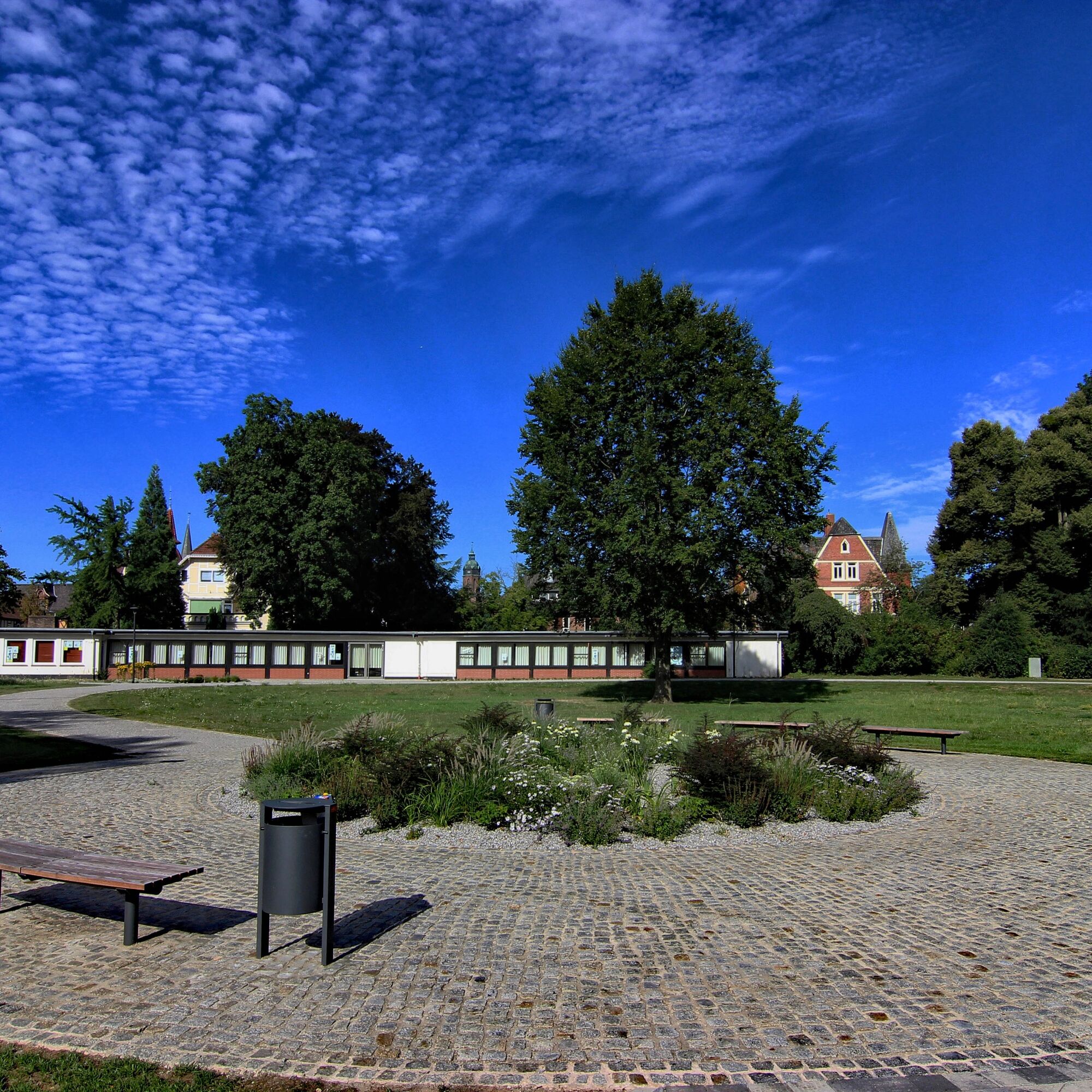
August Stukenbrokoriginally laid outStukenbrok Park in Einbeck as an ornamental gardenand donated it to the city of Einbeck in 1913.Extensive construction work was carried out in the summer and fall of 2017, enabling Stukenbrok Park to fulfill its role as a modern green space. Located right next to the city library, the park invites visitors to take a stroll through its greenery and delights visitors in the summer with its colorful plantings.
In the center of the park stands the Stukenbrok Monument, which serves as a tribute to the park’s original founder.
Care was taken to ensure bright lighting at the park entrances, and easily accessible paths were laid out.
13. Stiftsgarten
The Stiftsgarten, near Einbeck’s New City Hall, offers a local recreational space for young and old alike.
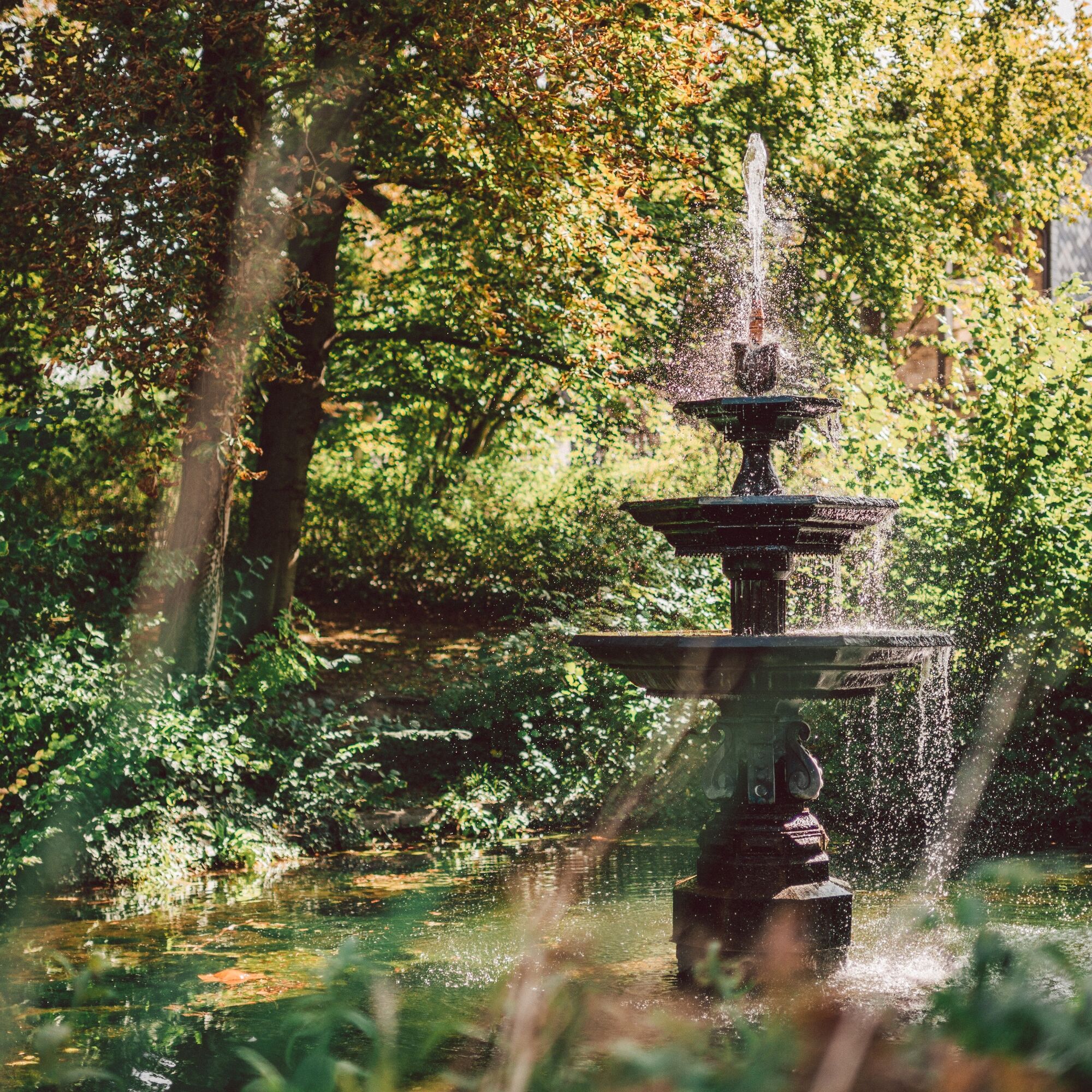
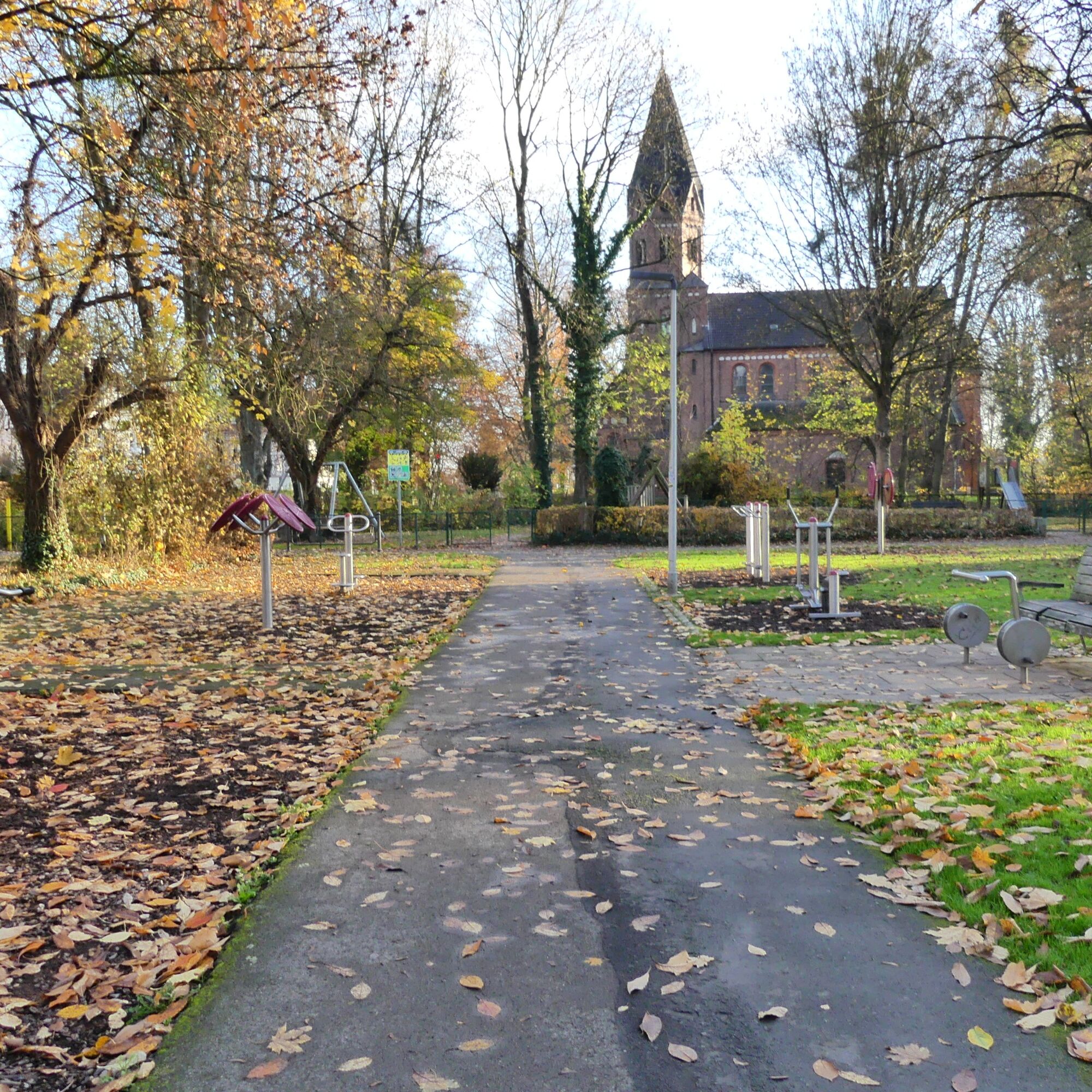
The Stiftsgarten is located on the northeastern edge of Einbeck’s Old Town, between the New City Hall and the market square. The entire park features green spaces and trees lining its perimeter. Right at the Ostertor park entrance is a pond area with a multi-tiered fountain.For the park’s young visitors, there is a beautiful and quiet playground.
For all age groups, there is the so-called “Garden of Generations,” which invites young and old alike to stay healthy and agile using the free fitness equipment.
On a designated gravel area, visitors can enjoy a gameof boules or bocceand get active in nature.
The Stiftsgarten features a seating area with a table for about six people. There are also additional benches where visitors can rest after a stroll through the old town or a city tour.
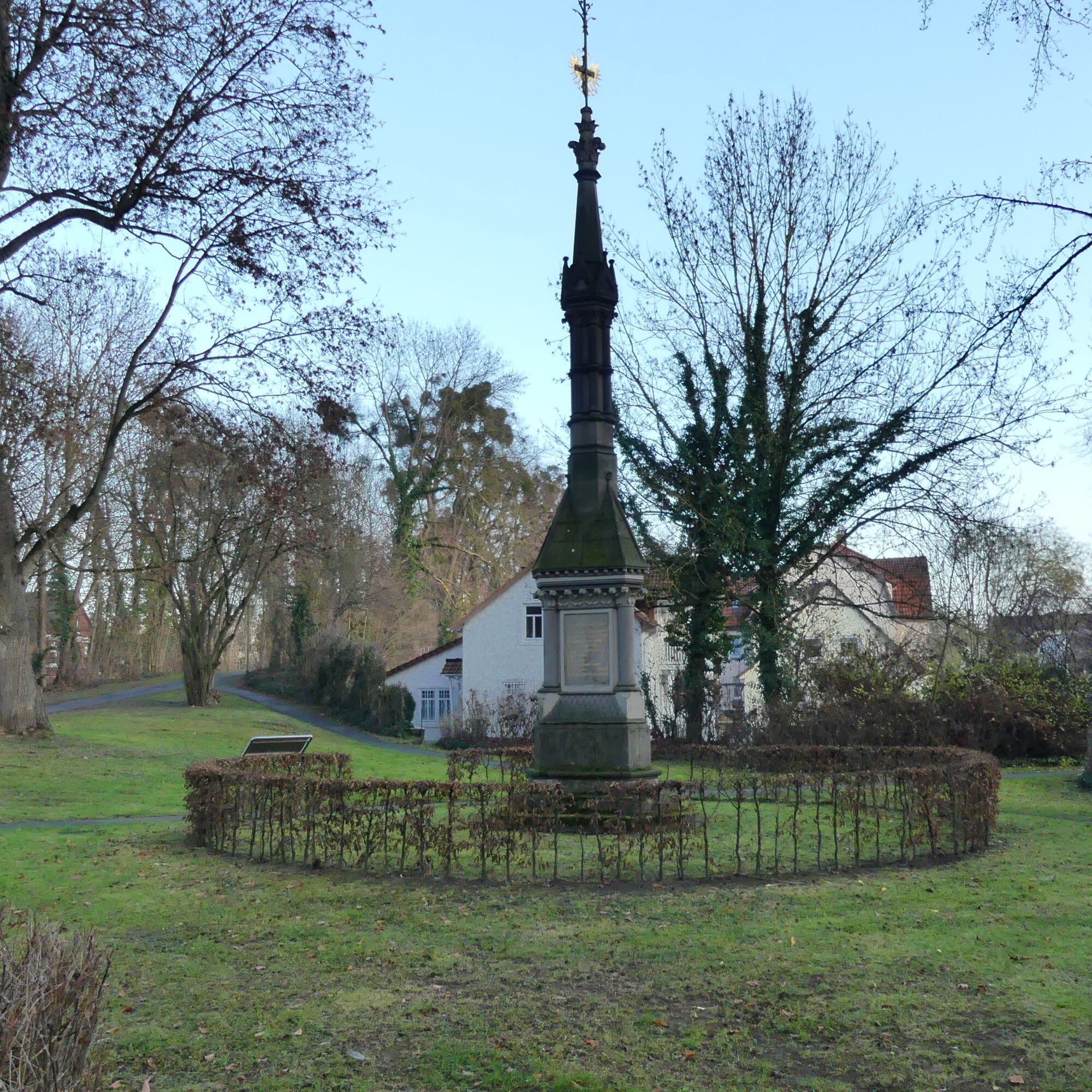
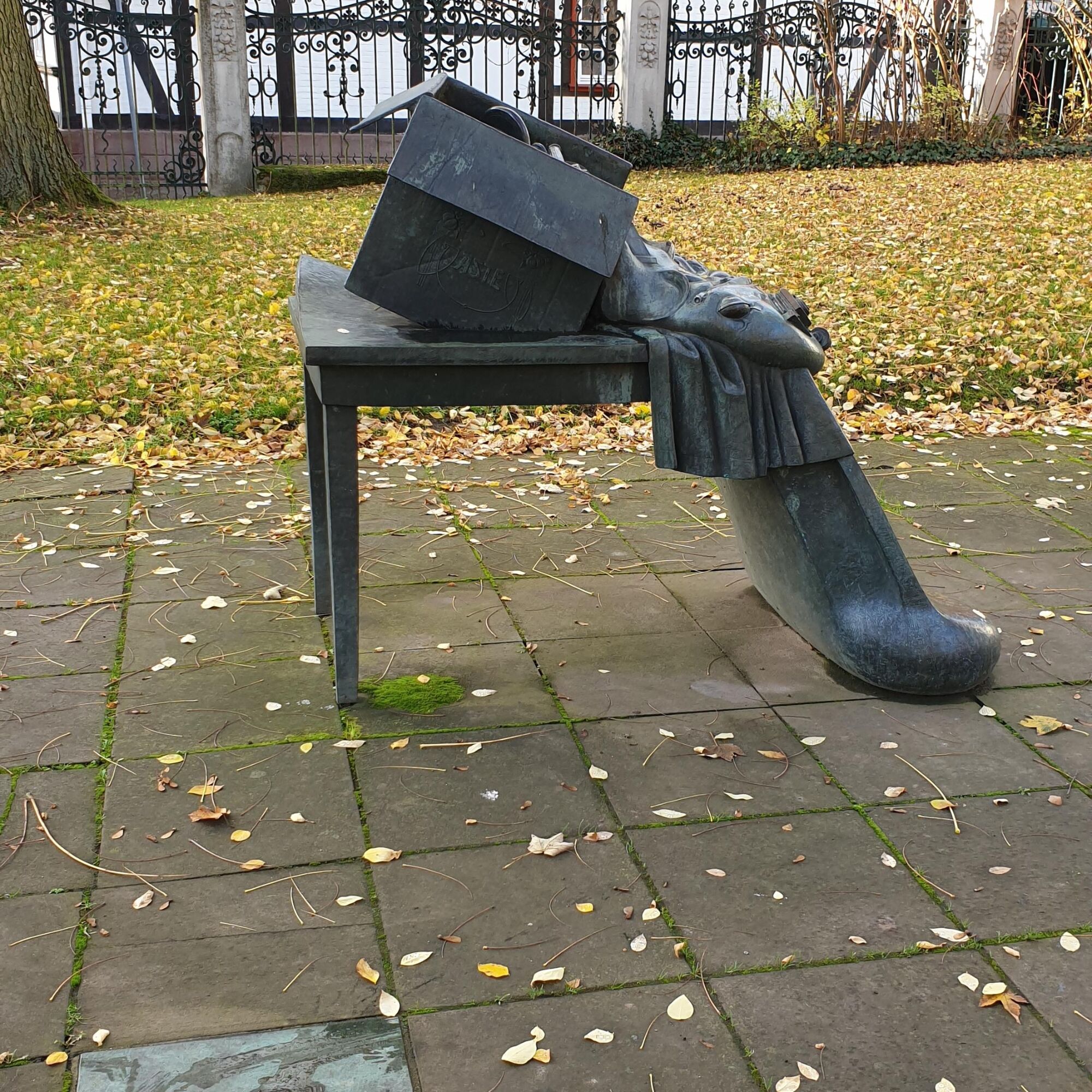
The August Stukenbrok Monument, located in the Stiftsgarten, commemorates August Stukenbrok, the bicycle manufacturer and Germany’s first mail-order company CEO. The former August Stukenbrok Villa is also part of the Stiftsgarten. This remarkable Art Nouveau villa was once owned by August Stukenbrok and now houses the Mendelssohn Music School.
14. August Stukenbrok Monument
The monument honors the successful manufacturer and first mail-order company executive, August Stukenbrok.
The monument in the Stiftsgarten was created by sculptor Otto Almstadt and commemorates August Stukenbrok, the successful Einbeck bicycle manufacturer and Germany’s first mail-order company director. It is located directly at the southeast entrance to the park at the Ostertor, across from the small pond with a fountain.The Stiftsgarten once belonged to August Stukenbrok, who ran Germany’s first mail-order business from the building that is nowthe New City Hall and resided in the adjoining Art Nouveau villa (today the Mendelssohn Music School).
15. Langer Wall
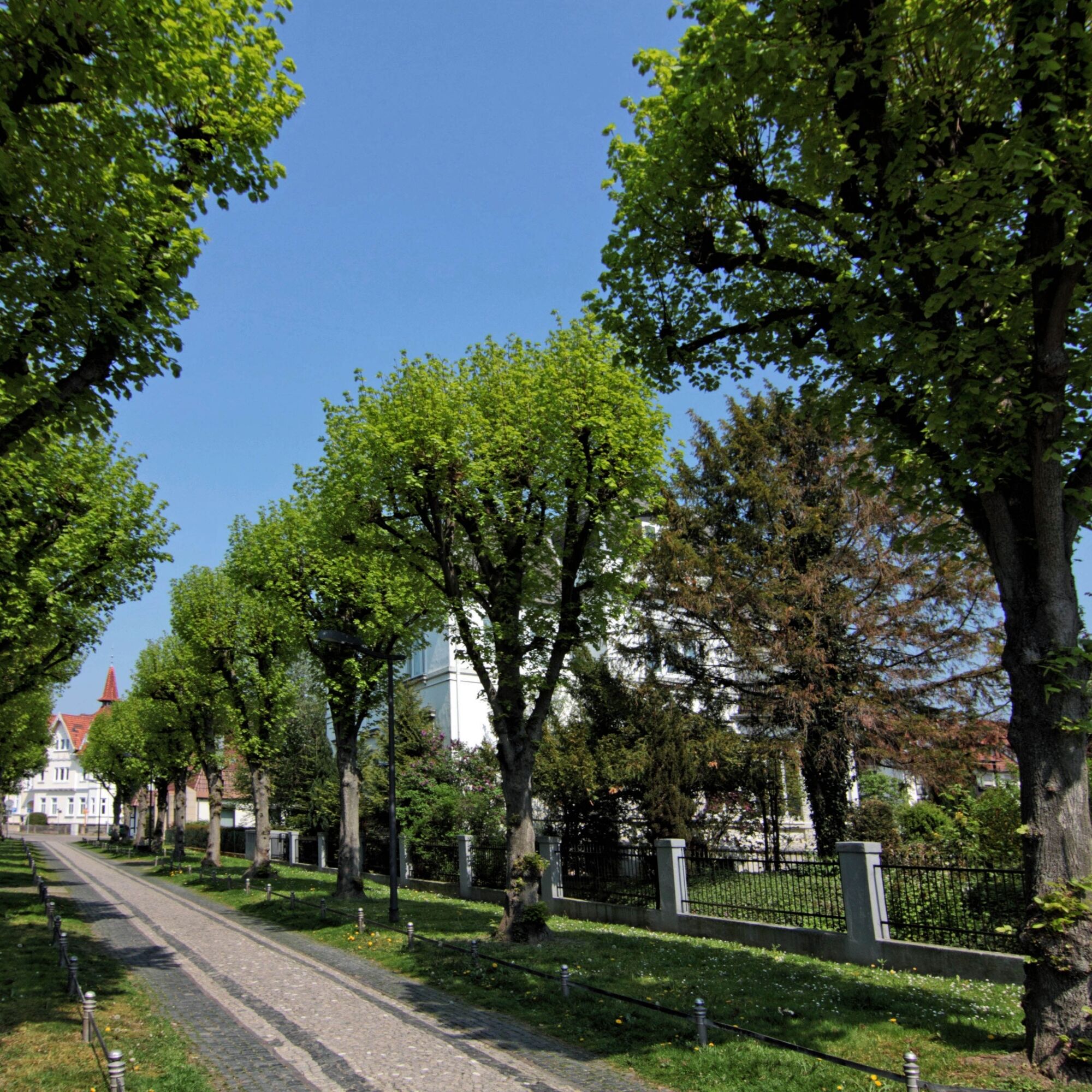
TheLanger Wall is part of the former ramparts that were intended to protect Einbeck from enemy attacks until the 18th century.
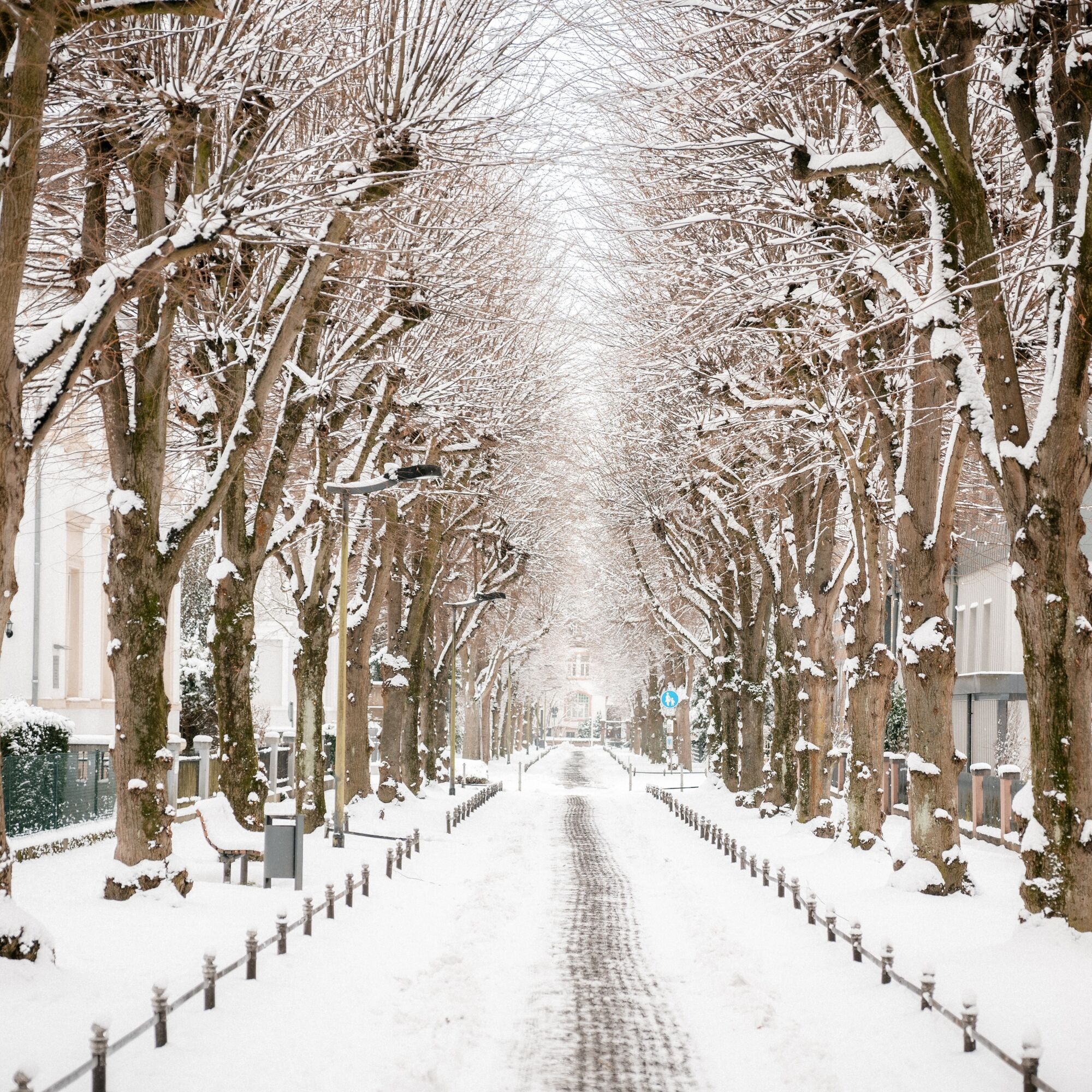
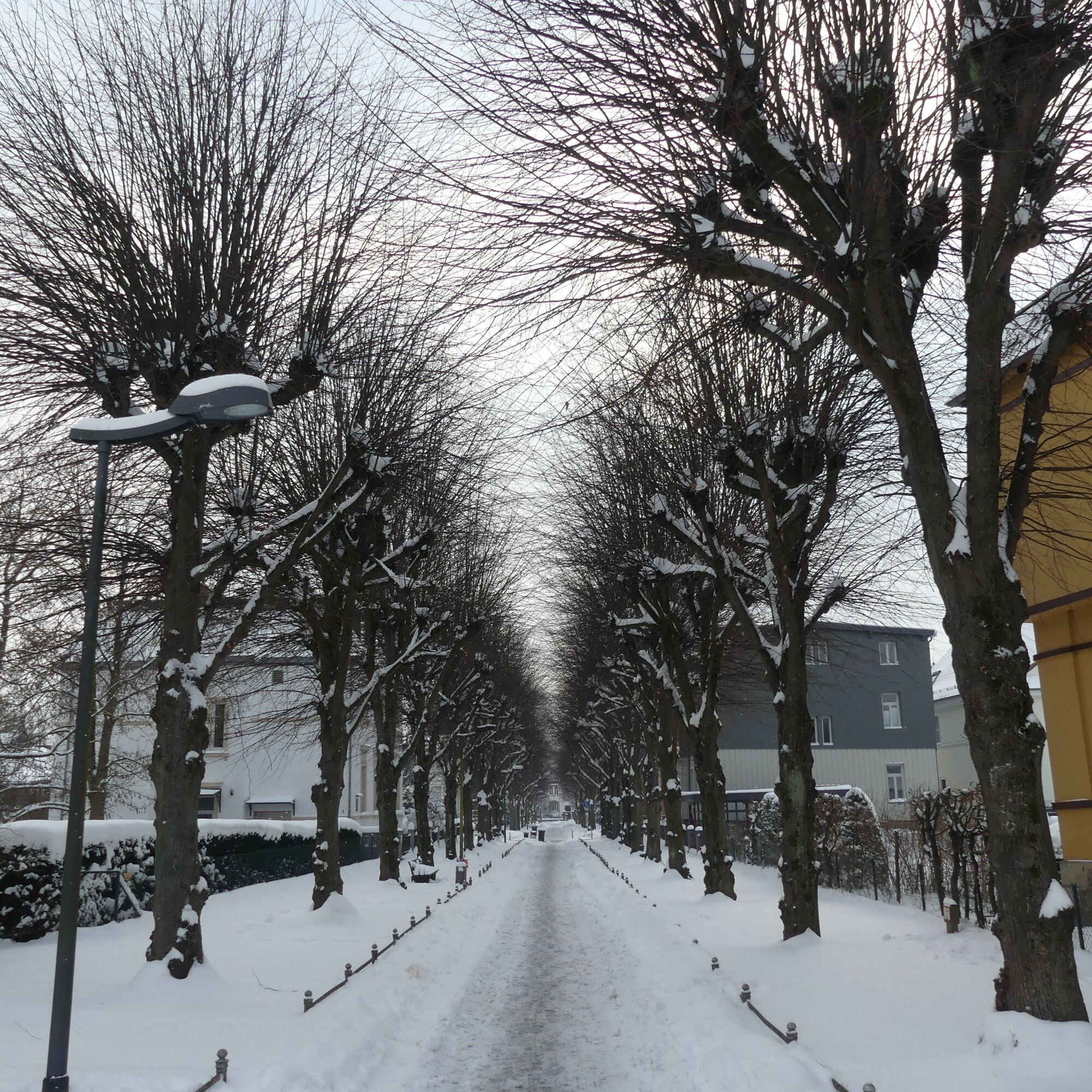
Today, it is a tree-lined thoroughfare connecting the Tiedexer Gate and Rabbethstraße. It also leads west of the Old Town to the Bäckerwall, a park with two ponds that is perfect for a stroll.
The Krumme Wasserflows alongsidethe section of the Langer Wall that leads to the Bäckerwall. To the north, you can reach the Stiftsgarten via the Langer Wall at the corner of Stiftstraße.
16. Knochenturm
The Knochenturm in Einbeck was once used to store barrels of gunpowder.
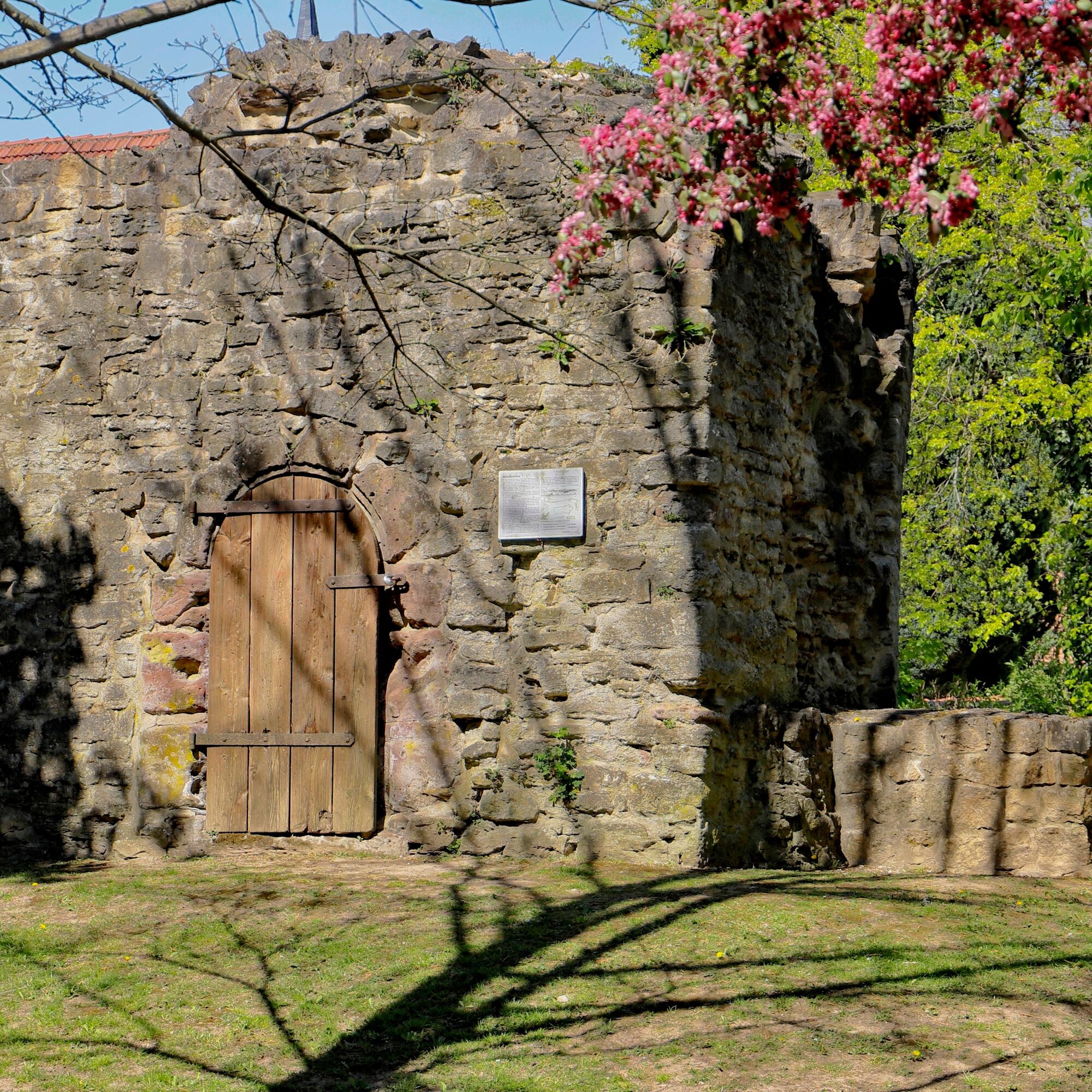
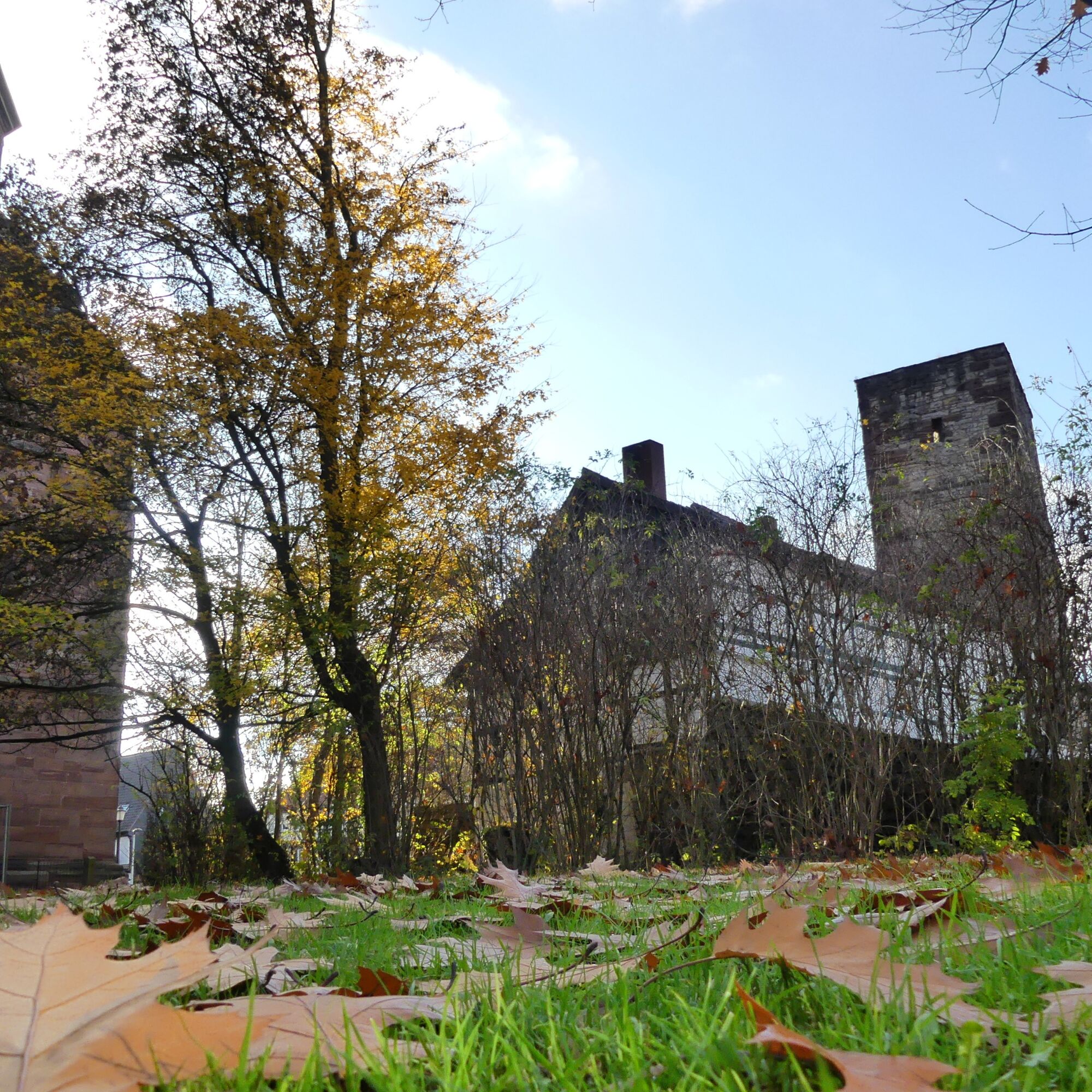
The Knochenturm (formerly known as the Pulverturm; not to be confused with the Pulverturm at Sonnenhaken in Einbeck), located in the immediate vicinity of St. Alexandri Cathedral, was built in the early 15th century as part of the expansion of the city’s fortifications. This tower was formerly known as the Pulverturm, as it was used by locals as an ammunition depot.The remaining structure of the Knochenturm is 4.85 m wide and 5 m deep. The floor plan is rounded, with one straight side facing the town. The town wall, approximately 1.50 m wide, connectedto it on the western and eastern sides.
17. Totenturm
The medieval Totenturm is clearly visible from the street “Auf dem Steinwege.”
The so-called Totenturm near St. Alexandri Cathedralwas partof the northern city fortifications in the Middle Ages. Thename “Totenturm” comes from “Tottmühle.” The mill may have existed since the founding of the St. Alexandri monastery—perhaps even earlier.In those days, the area around the Totenturm belonged to the collegiate district of St. Alexandri Cathedral. From the monastery’s founding in the 11th century until 1837 , this district was a “collegiate freedom” that enjoyed extensive legal autonomy.
In times long past, the area north of the line formed by Haspel, Stiftplatz, and Kurze Münsterstraße was exempt from Einbeck’s police jurisdiction and was under the authority of the church.
Tak
Tak
Tak
Click here for travel tips.
On foot:
From the market square, it’s about 450 m (a 4-minute walk) to the Obere Katze.
From St. Jacobi Market Church, walk along Tiedexer Straße toward Tiedexer Tor.
By car:
Coming from Alfeld via the B3 and Markoldendorfer Straße, take the third exit at the roundabout onto Kohnser Weg. After a few meters, turn right onto Tiedexer Tor.
On Langer Wall, there is a parking lane along the roadside. There are also numerous public parking spaces in the city center .
Die Stadtmauer mit den Wallanlagen wurde als Befestigungssystem gebaut und erstmalig im Jahr 1624 urkundlich erwähnt. Die Mauer bestand aus gemörtelten Kalkbruchsteinen und wurde an einen zuvor erzeugten Erdwall angelehnt. Stadtmauer wurden in Folge von verschiedenen Zeitgeschehnissen, z. B. Dreißigjährige Krieg und Besatzung durch französische Truppen im siebenjährigen Krieg, stark beschädigt.
Visitors can also deepen their knowledge on a public or booked city tour.
Popularne wycieczki w okolicy
Keilerweg (De 7)
średniWędrówka 11,7 kmTour "In the footsteps of Wilhelm Busch"
światłoTrasa tematyczna 4,03 kmRoute 16: Solling-Vogler-Region
Mountainbike 164,9 kmVitalWeg 2 – Auszeit auf weiter Flur rund um Kuventhal
średniNordic Walking 6,82 kmLebensraumroute - Der Eichenwald im Solling große Runde (LRR 3)
Trasa tematyczna 4,72 kmVitalWeg 2 – Auszeit auf weiter Flur rund um Kuventhal
średniWędrówka 6,83 kmVitalWeg 6 – Hube runde zum Großen Teich
ciężkiWędrówka 10,3 kmVitalWeg 3 - Wald- und Feldrunde über Andershausen
ciężkiWędrówka 10,4 kmHELDENWEG - Geschichte, Natur und Panorama
światłoWędrówka 4,94 kmPolderrunde
średniJazda na rowerze 30,5 km
Wędrówki i tropienie

Nie przegap ofert i inspiracji na następne wakacje
Twój adres e-mail została dodana do listy mailingowej.